Xeviora
Xeviora
Xeviora
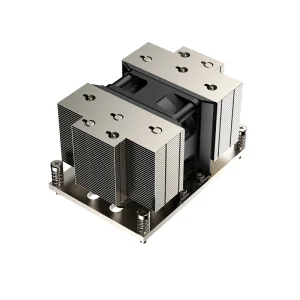
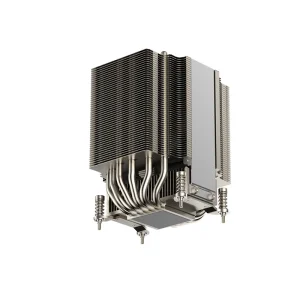
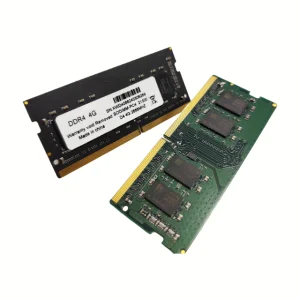
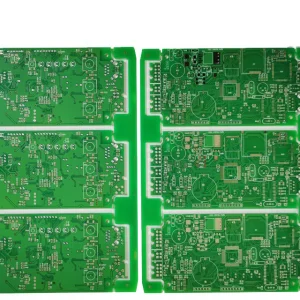
High-performance components integrated into modern smartphone production ecosystems.
In the rapidly evolving landscape of mobile technology, China has cemented its position as the world's primary hub for Smartphone Battery Factories. This dominance is not merely a result of scale, but a sophisticated integration of raw material processing, precision chemical engineering, and advanced electronic assembly. As global demand for high-capacity, fast-charging, and sustainable energy solutions surges, understanding the "Factory 4.0" paradigm in China becomes essential for international procurement directors.
The term "Information Gain" in this industry refers to the shift from basic Lithium-ion (Li-ion) production to Silicon-carbon (Si-C) anodes and solid-state electrolyte research. Leading Chinese factories are no longer just assembly lines; they are R&D powerhouses that define the next generation of energy density and thermal stability protocols.
Current benchmarks are moving toward 120W and 240W charging cycles, requiring batteries to withstand higher thermal stress without compromising lifecycle longevity.
Factories are optimizing Li-pouch cells to exceed 750Wh/L, allowing for thinner smartphone profiles with significantly longer active usage times.
Implementation of "Closed-Loop" recycling systems and the reduction of cobalt usage (High-Nickel NCM) to meet EU and North American ESG standards.
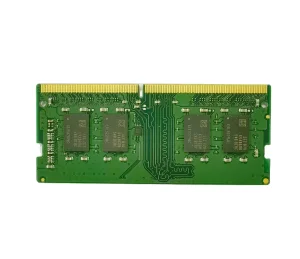
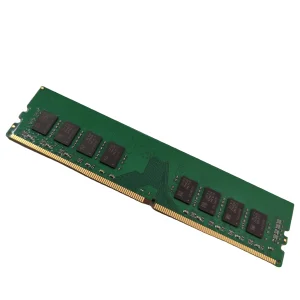
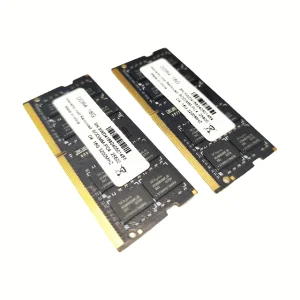
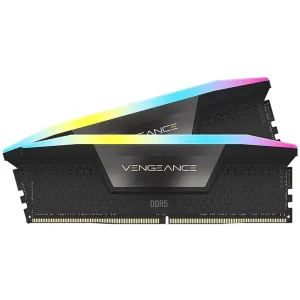
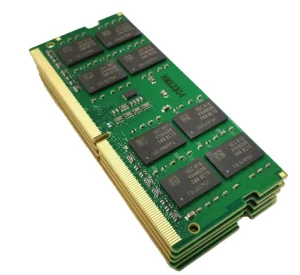
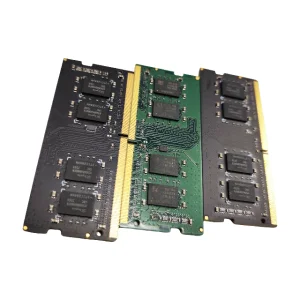
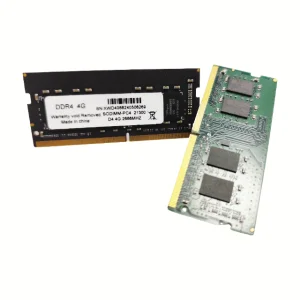
Xeviora Memory Technology (China) Co., Ltd. represents the epitome of Chinese high-tech manufacturing synergy. While specializing in DDR5 memory and server-grade hardware, the company’s infrastructure mirrors the precision required in the battery sector. Established in 2017, Xeviora has leveraged 12 years of industry expertise to build a globally recognized brand.
The facility, spanning a highly optimized production floor, integrates automated functional testing and aging protocols that are industry standards in high-stakes electronics. With an R&D team of 128 engineers, Xeviora exemplifies the OEM and ODM capabilities that global distributors seek—offering private labeling, packaging design, and firmware optimization.
Modern China Smartphone Battery Factories are adopting AI-driven quality control. These systems use machine vision to detect microscopic flaws in separator coatings—errors invisible to the human eye but critical for preventing thermal runaway. This level of Supply Chain Resilience ensures that even during global logistics disruptions, production remains steady through local vertical integration.
The synergy between components is vital. As smartphone processors become more powerful (requiring high-speed DDR5 memory like that provided by Xeviora), the thermal management systems and battery output must scale in tandem. This holistic view of the "Inside the Chassis" ecosystem is what defines a top-tier Chinese factory.
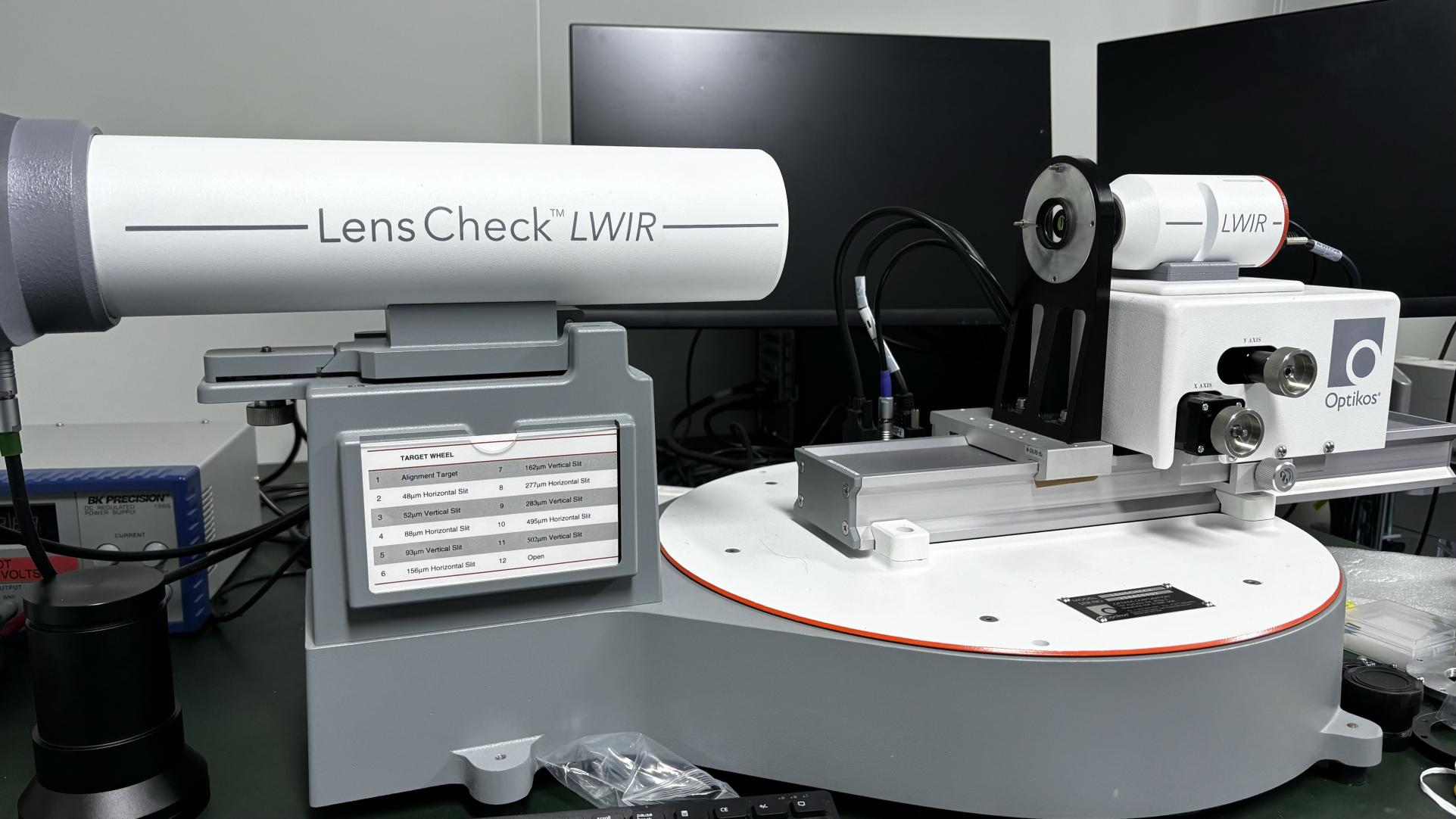
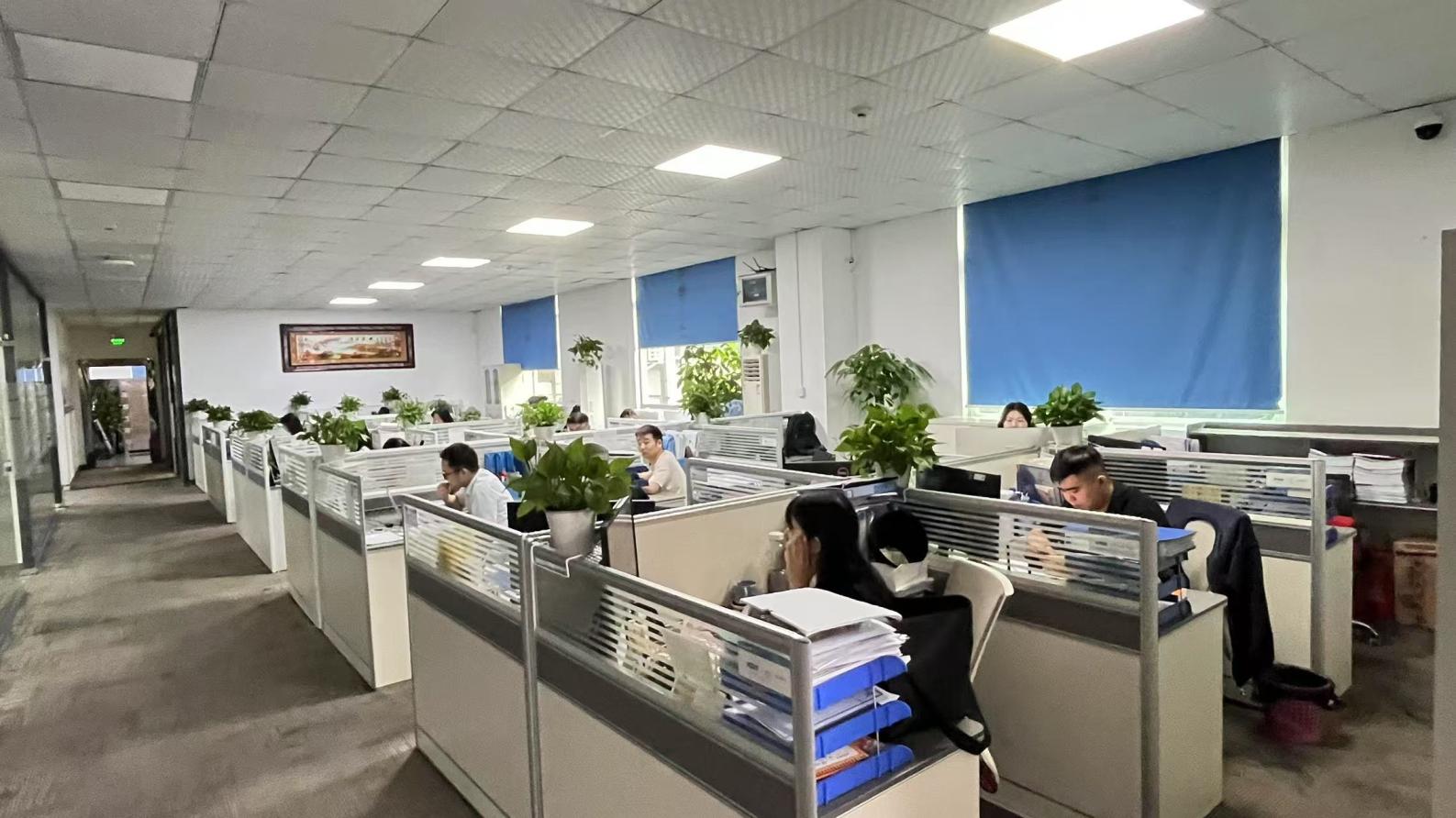
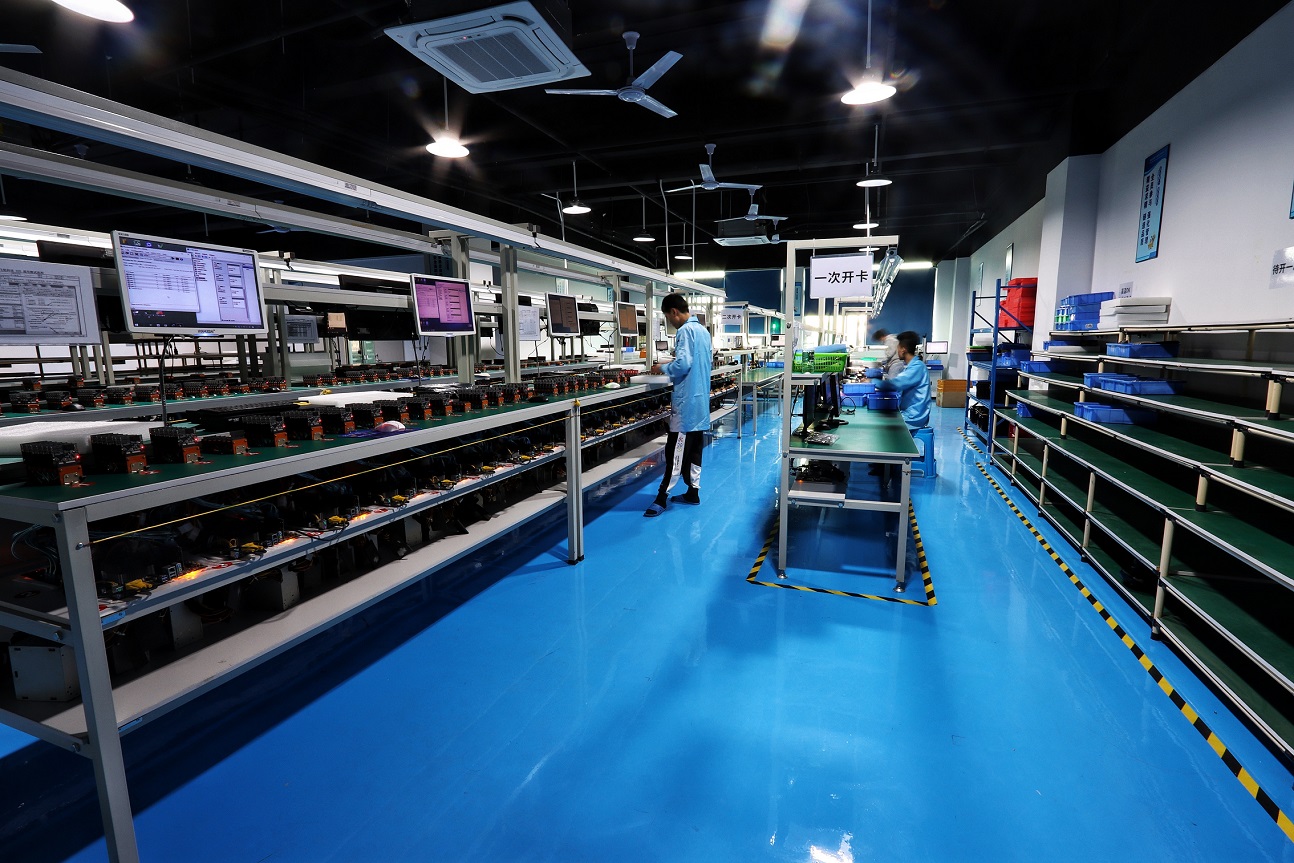
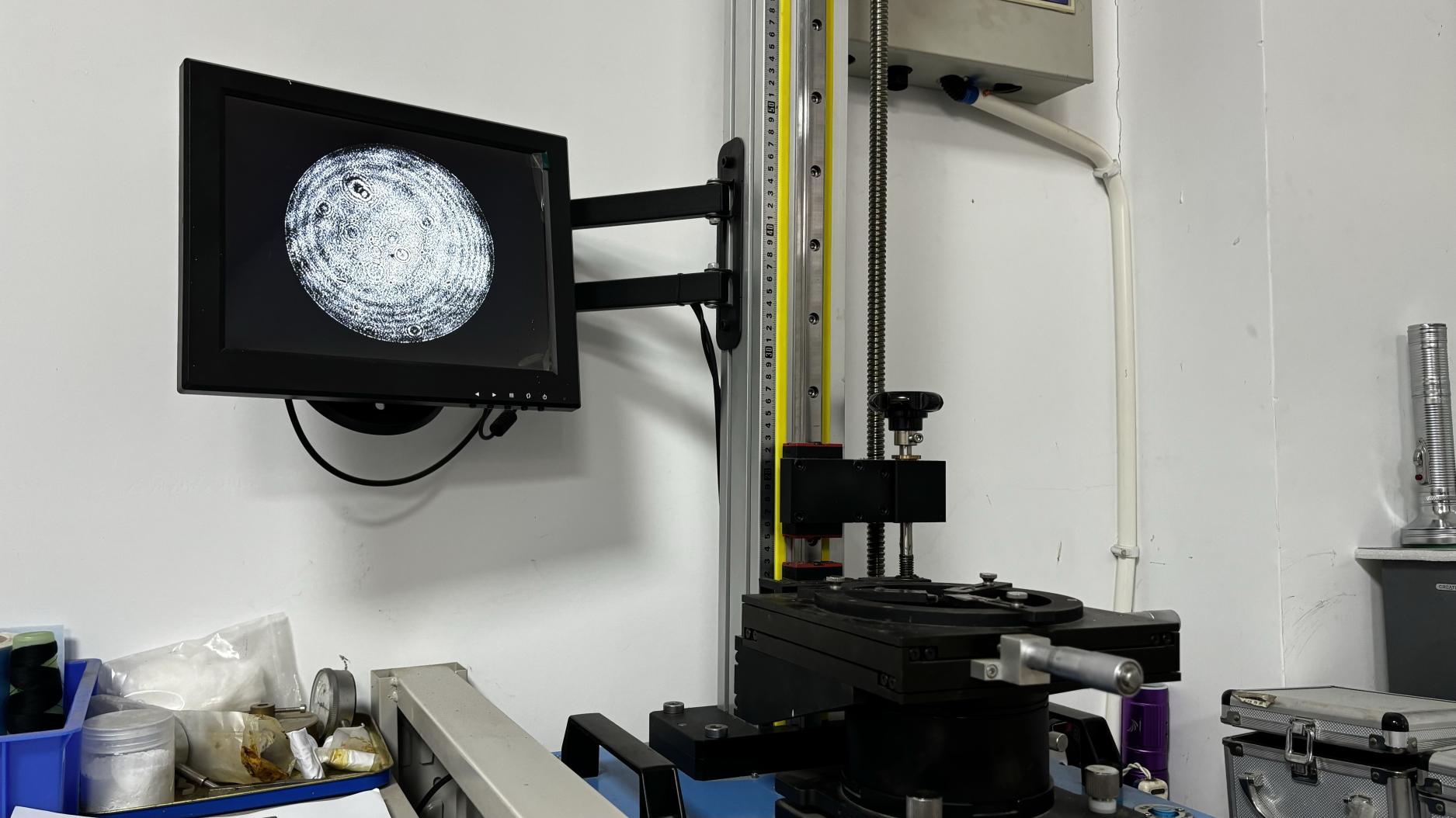
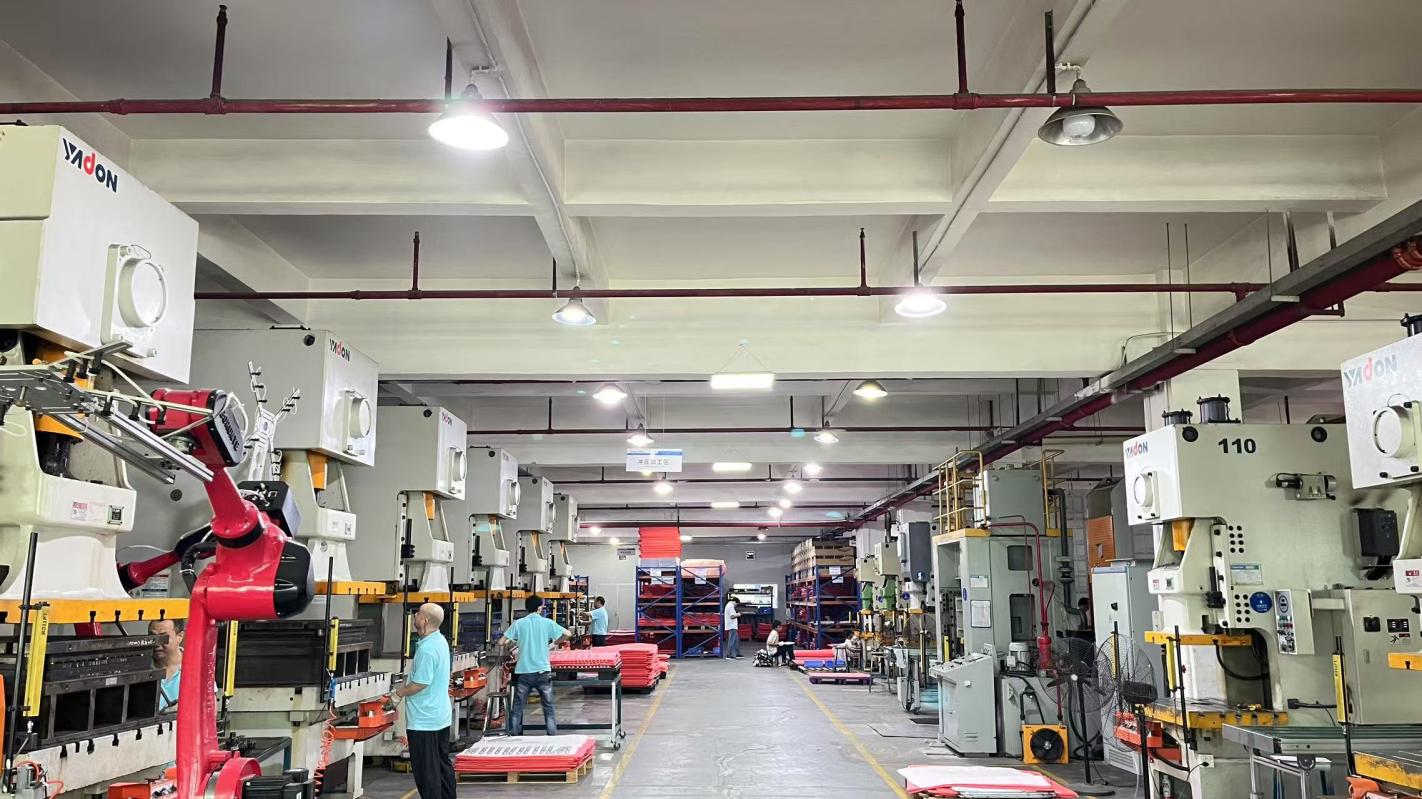
International buyers prioritize factories holding UL 2054, CE, IEC 62133, and UN 38.3 certifications to ensure seamless customs and market entry.
Utilizing Automated Production Lines (APL) to maintain a Delta V variance of less than 0.01V between cells within a single production lot.
Battery Management Systems (BMS) are now expected to include AI-optimized health monitoring and programmable thermal thresholds.
The application of advanced battery technology extends beyond traditional smartphones. In South America and Southeast Asia, high-capacity batteries are essential for the "Gig economy," where delivery riders rely on extended GPS usage and constant connectivity. In Europe and North America, the focus shifts toward "Repairability" and "Safety Protocols," aligning with new legislative frameworks for consumer electronics.
Industrial IoT devices and rugged enterprise smartphones also demand specialized power solutions that can operate in extreme temperatures, a niche where Chinese specialized factories excel through customized ODM development.
A: For a standard smartphone battery OEM project, the timeline ranges from 4-6 weeks for prototyping and 3-4 weeks for mass production once certifications are finalized.
A: Factories like Xeviora demonstrate Expertise and Authoritativeness through a decade of industry presence, rigorous testing certifications (Quality Management Systems), and a massive R&D footprint that drives information gain in the sector.
A: Yes, top-tier factories design their power solutions specifically to handle the transient load spikes of high-performance components like DDR5 memory and multi-core AI processors.
Explore our full range of certified high-performance hardware.