Xeviora
Xeviora
Xeviora
Explore our core SMT assemblies, thermal control modules, PCBA substrates, and high-performance hardware solutions powering next-generation smart thermostat ecosystems.
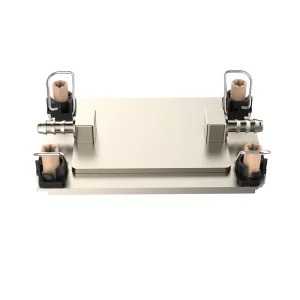
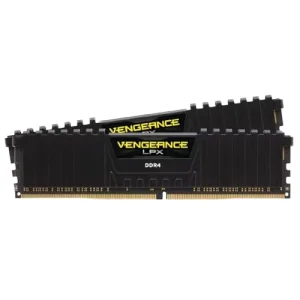
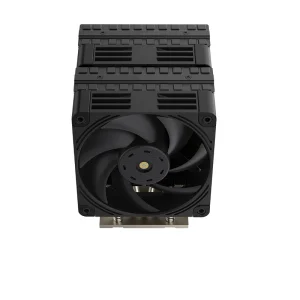
Operating at the intersection of precision electronics, micro-controller PCBA fabrication, and IoT device assembly, Xeviora Memory Technology (China) Co., Ltd. sets the benchmark for OEM/ODM excellence across smart climate control systems and high-reliability computing hardware.
Our advanced 368 m² automated manufacturing facility incorporates high-speed Fuji SMT lines, 3D Solder Paste Inspection (SPI), Automated Optical Inspection (AOI), and in-circuit testing (ICT) to guarantee zero-defect circuit assembly for temperature control modules.
We empower tier-1 brands, system integrators, and distributors across North America, Europe, and Asia with complete turnkey engineering—from custom MCU firmware, sub-GHz/Zigbee RF tuning, tool design, and industrial ID to white-label packaging.
Every batch undergoes stringent thermal stress testing, humidity burn-in, electromagnetic compatibility (EMC) verification, and ESD protection tests. Managed by 46 certified QA specialists to ensure total adherence to ISO9001 and international safety standards.
As global decarbonization mandates intensify and building energy efficiency requirements tighten under ESG directives, smart thermostats have evolved from simple residential wall controls into intelligent node controllers for Smart Grids, Demand Response (DR) programs, and Virtual Power Plants (VPP).
Modern Smart Thermostats served by China’s premier manufacturing base integrate multi-protocol wireless radios (Matter-over-Thread, Wi-Fi 6, Zigbee 3.0, Z-Wave LR). They act as home automation hubs that automatically adjust HVAC operation based on occupancy sensors, ambient light, dynamic electricity pricing, and window/door sensor inputs.
For hotels, multi-family housing, and commercial properties, enterprise smart thermostat systems utilize centralized BACnet/IP and Modbus RTU communication over RS-485. Facilities engineers monitor real-time thermal zones, lock local setpoints, analyze energy consumption trends, and optimize chiller/heat-pump duty cycles remotely.
Leading Chinese manufacturers enable utility-grade smart thermostats featuring OpenADR 2.0b (Automated Demand Response) protocols. During peak load events, power utilities dispatch curtailment signals to thousands of connected thermostats, shaving megawatts of grid load dynamically while preserving end-user comfort.
Building a top-tier smart thermostat requires high-precision sensor fusion, low-noise power regulation, long-range RF stability, and industrial-grade relay switching mechanism. Below is our standard high-reliability hardware block layout.
| Subsystem | Technical Specification & Hardware Implementation | Performance & Reliability Benchmark |
|---|---|---|
| Main MCU & Processing | Dual-Core 32-bit ARM Cortex-M4/M33 processor with hardware crypto engine & floating-point unit (FPU). | Sub-second responsiveness, real-time local AI thermal modeling, secure OTA firmware upgrades over-the-air. |
| Environmental Sensing | Integrated Sensirion / Bosch Digital Temperature, Relative Humidity, VOC, and ambient light optical sensors. | Temp Accuracy: ±0.1°C; Humidity Accuracy: ±1.5% RH; Drift: <0.01°C/year via self-calibration software. |
| HVAC Relay / Solid State | Latch Relays or Zero-Cross Solid State Relays (SSR) supporting 24VAC (1.5A per terminal) with MOV surge suppression. | 1,000,000 switching cycles minimum. Spark-free zero-crossing switching for inductive compressor loads. |
| Wireless Connectivity | Multi-protocol Combo SoC: Wi-Fi 4/6 (2.4GHz/5GHz), Bluetooth 5.2 LE, IEEE 802.15.4 (Thread & Zigbee 3.0). | RF Output Power up to +20 dBm; RX Sensitivity: -102 dBm; Seamless Matter ecosystem cross-brand interoperability. |
| Display & User Interface | Full-Color IPS Display (320x320 or 480x480 resolution) with Capacitive Multi-touch & Proximity Radar Sensing. | 178° wide viewing angle, auto-dimming backlighting, anti-fingerprint hydrophobic glass coating. |
| Power Management (PMIC) | Universal 24VAC HVAC power-stealing circuitry with internal Lithium Supercapacitor or high-temp Li-Po buffer. | Continuous operation without C-wire (Power Stealing mode) across 95% of legacy heating/cooling setups. |
One of the primary friction points in global smart thermostat deployment is regional HVAC electrical standards. Top Chinese OEMs engineer versatile multi-circuit backplates and adapter modules tailored for target geographical markets.
Designed for low-voltage 24VAC central air conditioners, gas/oil furnaces, heat pumps (up to 4H/2C stages), dual-fuel systems, and humidifiers. Configured with standard terminal designations: R, C, W1, W2, Y1, Y2, G, O/B, AUX, and ACC.
Engineered for high-voltage (230VAC) combi boilers, underfloor hydronic heating, and radiant panels. Features volt-free (dry contact) relays and digital OpenTherm modulation protocols for direct burner flame modulation to maximize boiler seasonal efficiency.
Tailored for multi-split Variable Refrigerant Flow (VRF) and VRV ductless heat pump systems (Daikin, Mitsubishi, Gree, Midea). Incorporates RS-485 Modbus, CAN-bus, or proprietary gateway interfaces to bridge smart thermostats directly to inverter compressors.
Exporting smart thermostats to North America, the European Union, Australia, and South America requires strict adherence to hardware safety, radio spectrum regulation, energy efficiency certification, and cloud IoT cybersecurity.
Full compliance with UL 60730-1, UL 60730-2-9, IEC/EN 60730 safety requirements for automatic electrical controls in household equipment, guaranteeing electrical isolation and flame-retardant PCBA substrate ratings (UL94-V0).
FCC Part 15 Class B (USA), CE RED (Europe), IC (Canada), TELEC (Japan), and SRRC (China) wireless testing. Integrated antennas undergo 3D Anechoic Chamber testing to ensure optimal signal gain without interfering with household electronics.
Qualified for Energy Star thermostat specifications, California Title 24 Joint Appendix 5 (JA5) demand response compatibility, and EU Energy-related Products (ErP) Directive Class IV/VI efficiency ratings.
Hardware Security Modules (HSM) embedded on PCBA enable Secure Boot, AES-128/256 encrypted local storage, and TLS 1.3 encrypted cloud communications adhering to GDPR, CCPA, and ETSI EN 303 645 cybersecurity standards.
The next decade of smart thermostat manufacturing belongs to Edge-AI predictive control, self-learning thermal models, and seamless energy microgrid integration.
Next-gen microcontrollers execute lightweight neural networks directly on the thermostat board. By continuously tracking building thermal inertia, solar gain, and local weather forecasts, the system predicts exact HVAC startup times to minimize energy spikes.
Unified local smart home communication eliminates vendor lock-in. Matter-certified smart thermostats communicate directly with Apple Home, Google Home, Amazon Alexa, and Samsung SmartThings without relying on external cloud latency.
By analyzing compressor cycling frequencies, current draw signatures, and thermal ramp rates, smart thermostats detect filter blockages, refrigerant leaks, or capacitor degradation weeks before total hardware failure occurs.
A glimpse into our advanced SMT assembly lines, testing equipment, cleanrooms, and automated inventory systems.
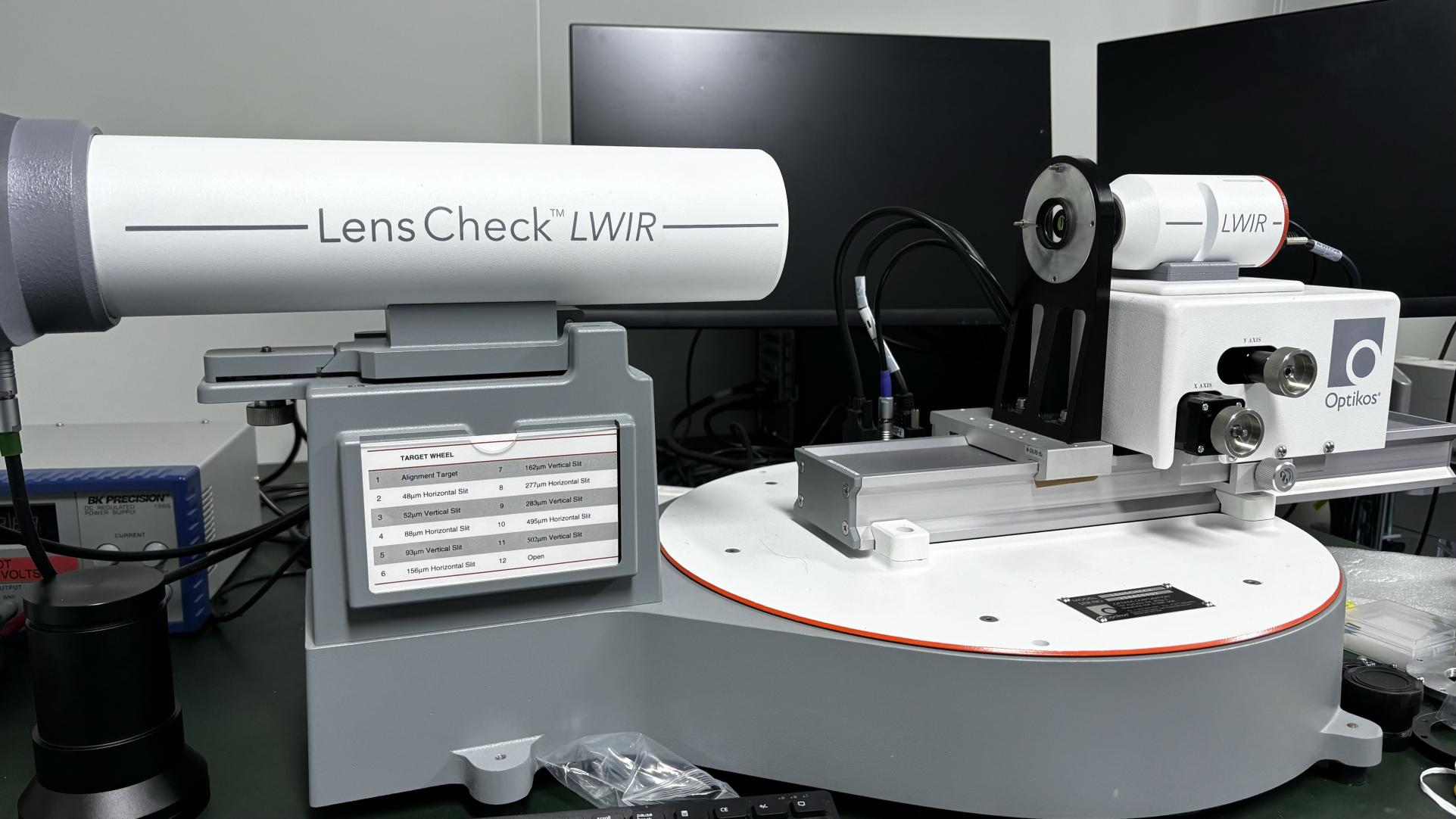

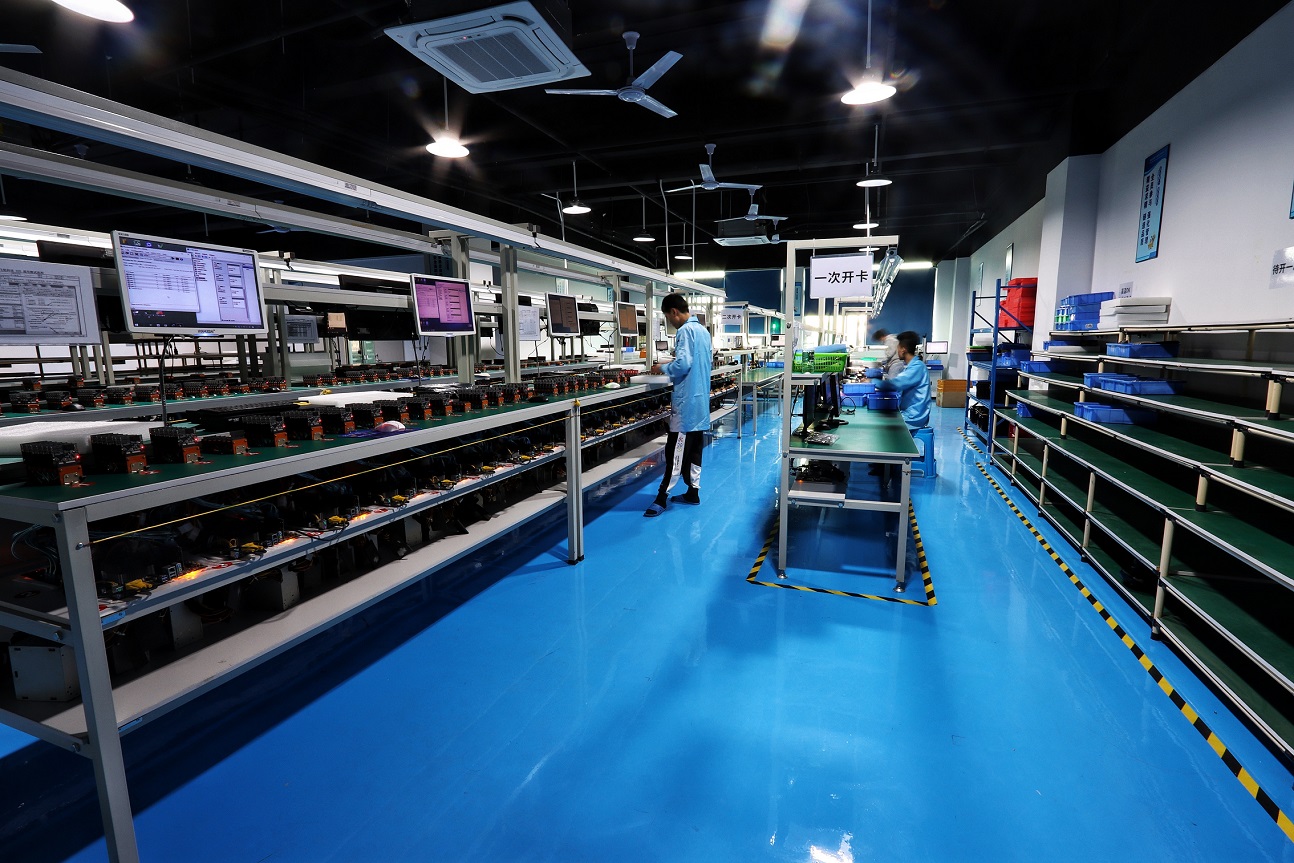
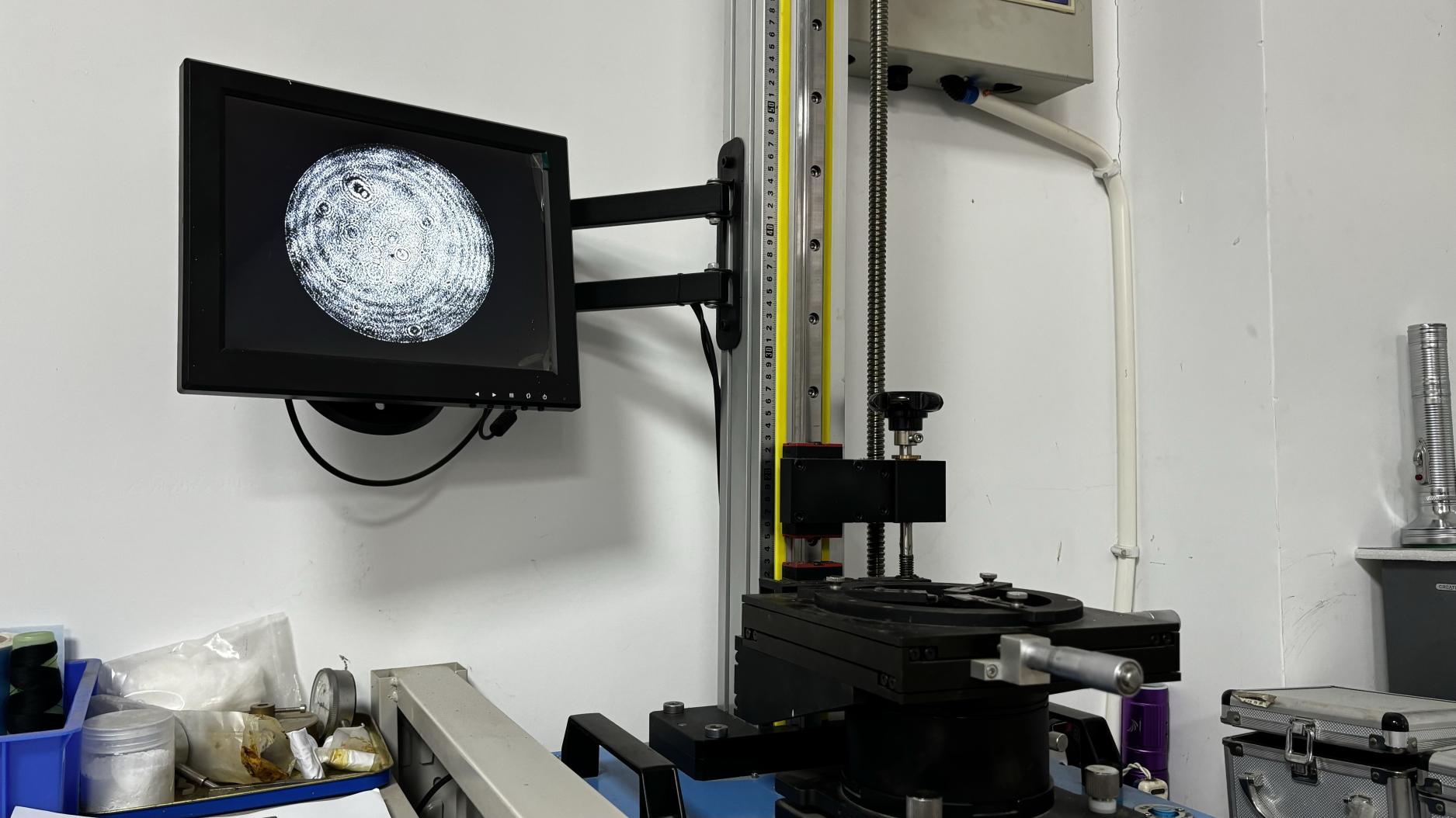
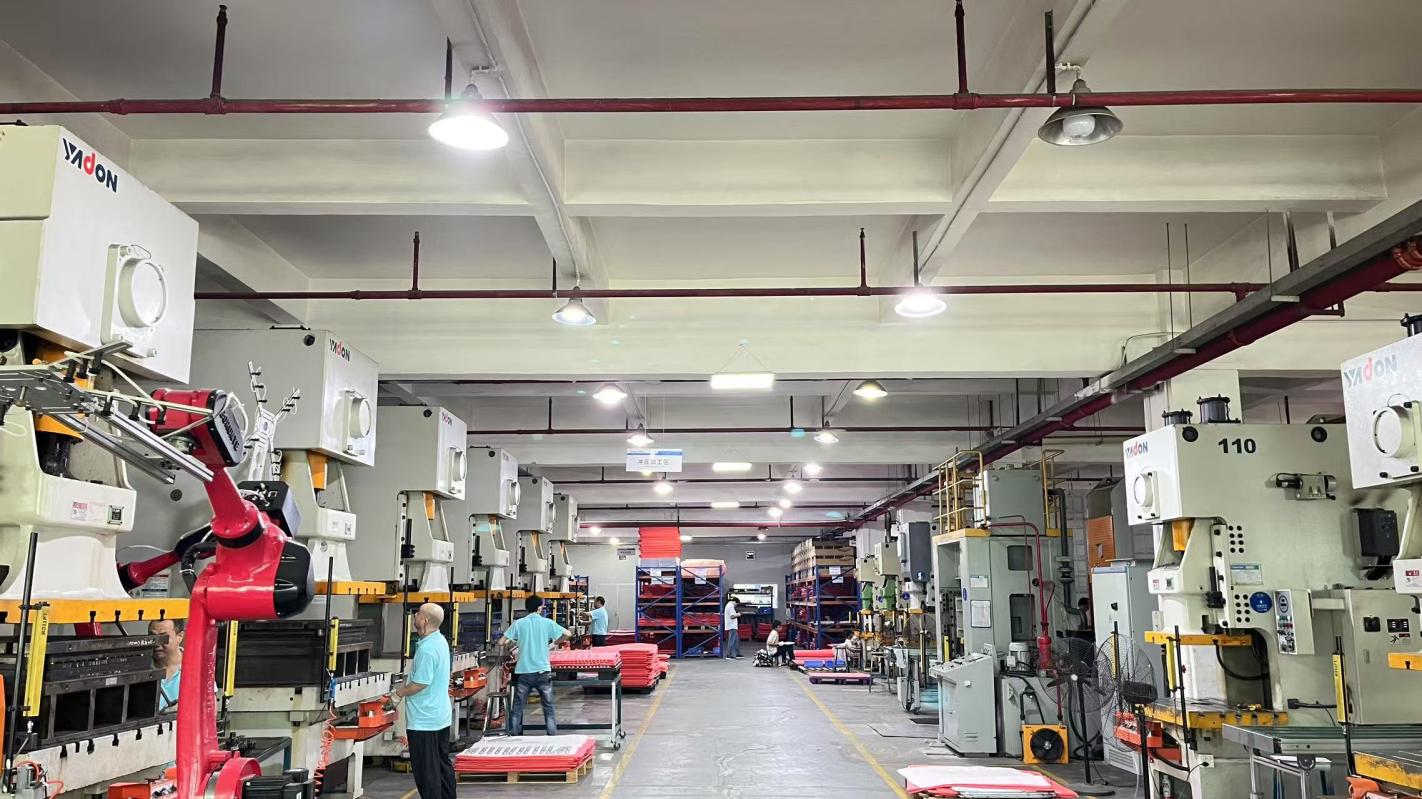
Comprehensive technical and commercial guidance for importers, brand owners, system integrators, and HVAC manufacturers selecting a custom smart thermostat manufacturing partner in China.
For turnkey OEM/ODM smart thermostat projects, the standard design-to-production lifecycle spans 8 to 14 weeks. This includes architectural definition, MCU schematic/PCB layout design (2-3 weeks), rapid PCBA prototyping and 3D enclosure rendering (2 weeks), plastic injection mold creation (4-5 weeks), followed by FCC/CE compliance testing and pilot production runs.
Yes. We manufacture advanced power-stealing power management circuits (PMIC) integrated with ultra-low power microcontrollers and supercapacitors. This setup enables stable operation across 24VAC 2-wire or 4-wire heating/cooling systems without interrupting HVAC control relays or requiring an external C-wire adapter kit.
We offer flexible cloud software integration paths: 1) Pre-certified Tuya / Smart Life module integration for fast time-to-market; 2) Custom Matter-over-Thread firmware development connecting directly to Apple HomeKit, Google Home, and Alexa without vendor cloud dependency; 3) Open API / MQTT SDK firmware tailored for your proprietary AWS/Azure IoT cloud infrastructure.
Our QA matrix employs 100% Automated Optical Inspection (AOI) after SMT reflow, 100% In-Circuit Testing (ICT) of PCBA components, high-voltage dielectric isolation testing, full functional relay cycle testing, 48-hour continuous elevated temperature/humidity burn-in, and RF signal analyzer calibration on every single unit prior to final assembly and packaging.
Standard custom logo printing and white-label packaging MOQs start at 500 units for existing industrial designs. For full ODM hardware development requiring dedicated plastic injection tooling, custom PCBA layout, and bespoke firmware engineering, the standard production MOQ is typically 2,000 units, with prototype batch samples (5-20 units) supplied during early engineering validation stages (EVT/DVT).
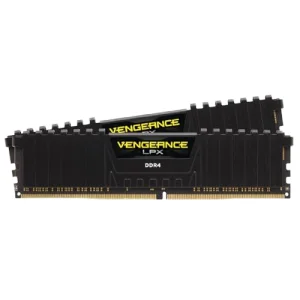
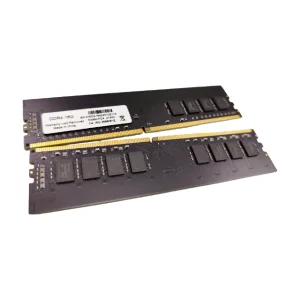
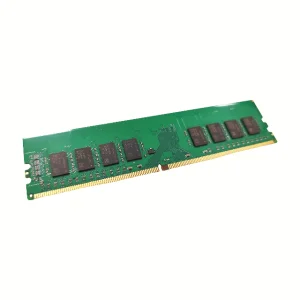
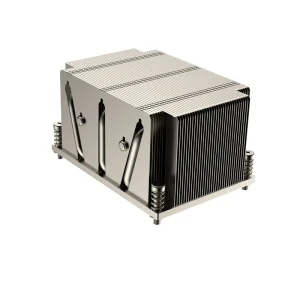
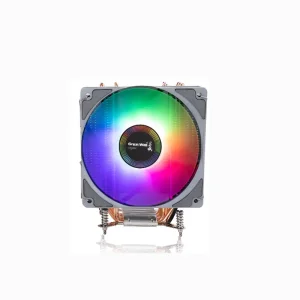
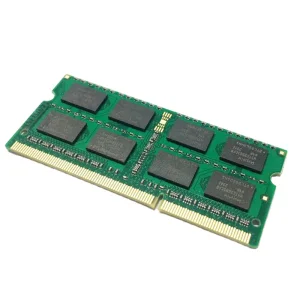
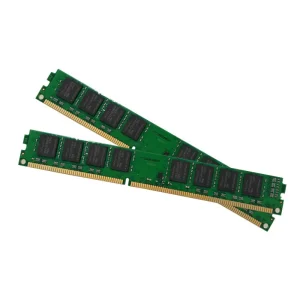
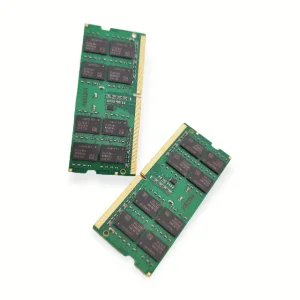
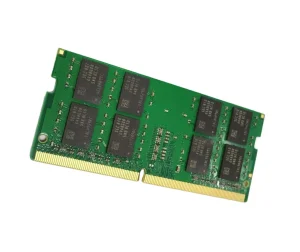
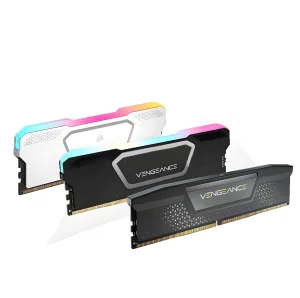
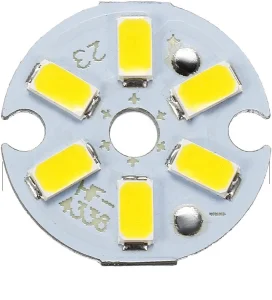
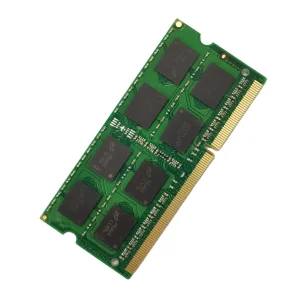
Browse additional high-reliability electronic assemblies, RAM modules, server heatsinks, and custom circuit boards produced in our certified China manufacturing hubs.