Xeviora
Xeviora
Xeviora
Explore our elite selection of ultra-high-speed memory modules and enterprise-grade thermal management components engineered for continuous operation.
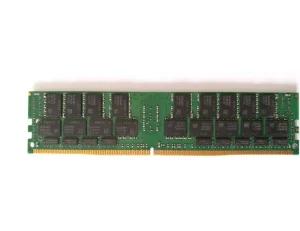
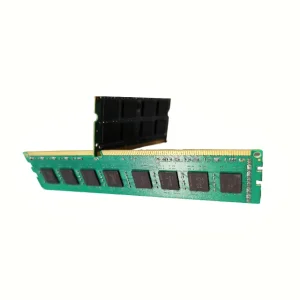
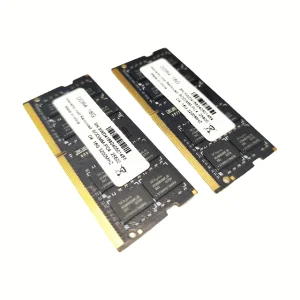
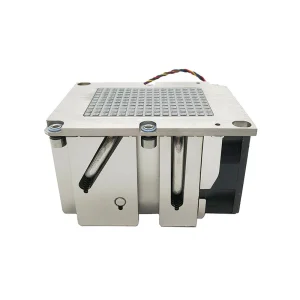
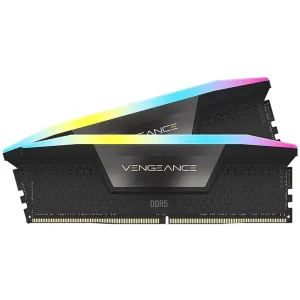
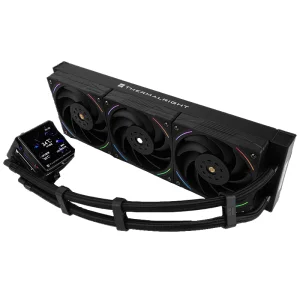
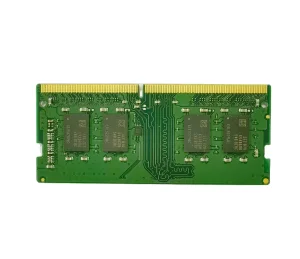
The modern data center industry is undergoing a monumental paradigm shift. The rise of Large Language Models (LLMs), deep learning, generative artificial intelligence, and high-frequency cloud computing has broken traditional hardware performance paradigms. Today, standard compute clusters are no longer adequate. Hyper-scale data centers require memory bandwidth and specialized cooling systems capable of sustaining high TDP (Thermal Design Power) workloads without degradation or downtime.
In high-density compute nodes, performance is rarely limited by raw GPU or CPU flops alone. Instead, it is constrained by the speed at which data can be transferred from storage and main memory to the registers of the processors. This is where next-generation DDR5 technology, operating at speeds of 4800MHz to 6800MHz, becomes a critical design component for network architects.
At the center of this hardware renaissance is the demand for on-die ECC (Error Correction Code) memory and hyper-efficient PCB design. Enterprise architectures cannot tolerate data corruption or single-bit errors that lead to system panics. Therefore, sourcing modules from factories with proven high-frequency testing, signal integrity validation, and advanced SMT assembly lines is critical for maintaining infrastructure reliability.
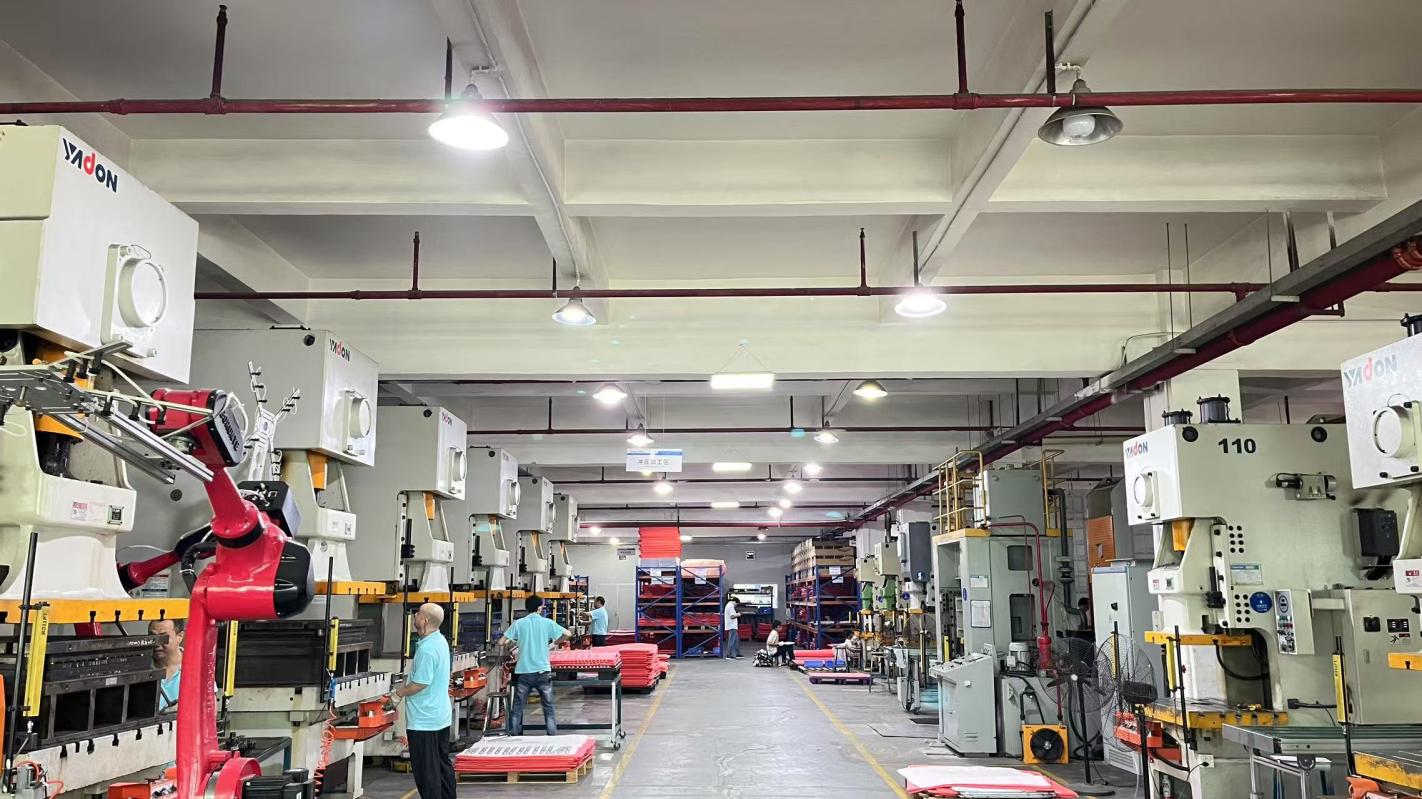
China has established itself as the global epicenter for data center hardware manufacturing, particularly in key component sectors like memory assembly (SMT/PCBA) and liquid/air cooling technologies. This dominance is not simply a matter of cost efficiency; it is a product of deep supply chain integration, advanced manufacturing technology, and strict quality assurance protocols.
From raw silicon wafer dicing and packaging to PCB substrates and aluminum fin machining, the entire bill of materials (BOM) can be sourced and processed within a 50-kilometer radius in technology hubs like Shenzhen and Dongguan.
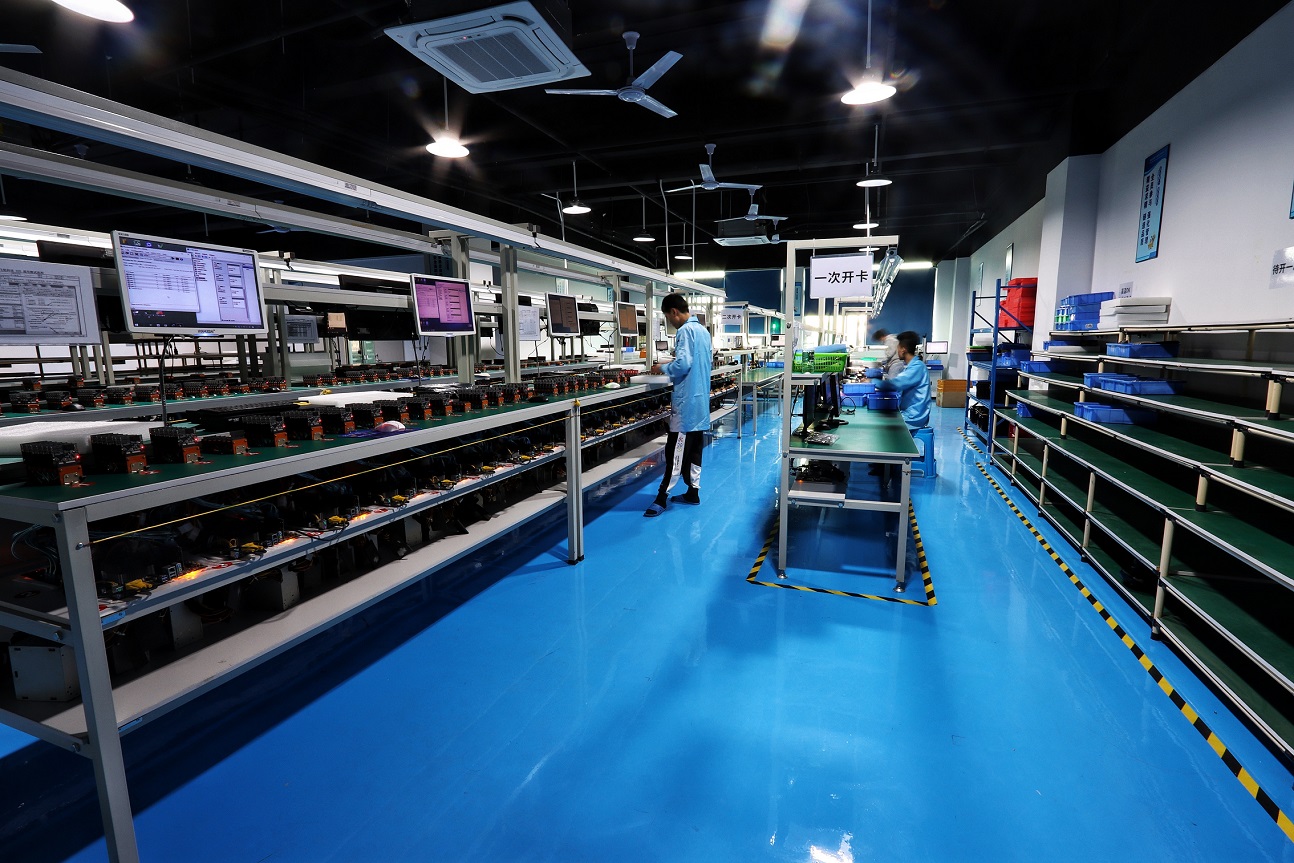
Advanced high-speed placement machines, computerized solder paste printers, and multi-zone reflow ovens ensure precision component mounting on multi-layer PCBs, preventing thermal warping and circuit failures.
Comprehensive multi-stage testing including Automatic Optical Inspection (AOI), X-ray thickness inspection, in-circuit test (ICT), and temperature-controlled aging chambers designed to expose hidden faults before dispatch.
As a leading example, Xeviora Memory Technology (China) Co., Ltd. has optimized its production space to achieve unparalleled manufacturing yields. Operating out of its dedicated facility, Xeviora coordinates with more than 850 global supply chain partners. This robust supply network enables rapid component sourcing, flexible batch manufacturing, and minimized lead times for urgent server farm expansions.
Thermal management is the single largest operational cost factor in modern data centers. As processor power requirements grow, legacy air-cooling systems are reaching their physical limitations. Standard 1U and 2U rack setups mounting high-density CPUs, such as the AMD SP5 or Intel LGA4677 sockets, require specialized cooling solutions capable of managing heat output exceeding 400W per socket.
Direct-to-chip liquid cooling systems operate by circulating specialized coolant directly through high-thermal-conductivity copper cold plates mounted on the processors. By capturing heat directly at the source, these liquid-cooling loops eliminate the thermal resistance associated with forced air cooling. This allows data centers to operate with warmer facility water, lowering chiller power usage and drastically improving the Power Usage Effectiveness (PUE) metric.
For high-density 1U and 2U nodes, copper blocks featuring micro-channel designs provide maximum surface area contact. By integrating these systems, data center operators can reduce overall fan power consumption and deploy high-wattage computing hardware without risking thermal throttling.
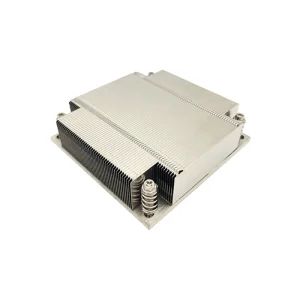
For operations where retrofitting liquid cooling loops is cost-prohibitive, advanced air-cooling configurations remain highly viable. Modern 2U heatsinks utilize multi-pipe configurations (typically 4 to 6 sintered copper heat pipes) containing vapor-phase change fluids. These pipes quickly pull heat away from the CPU contact plate and distribute it throughout a high-density aluminum fin array.
By pairing these heat pipe structures with high-static-pressure fans, engineers can achieve thermal resistance values capable of handling continuous 205W to 250W workloads. Choosing high-purity aluminum and oxygen-free copper ensures long-term thermal transfer efficiency without material degradation.
Data center system memory is the foundation of high-availability cloud computing. The transition from DDR4 to DDR5 introduces fundamental architectural changes designed to scale memory bandwidth alongside CPU core counts. Understanding these differences is essential for procurement managers looking to future-proof their hardware investments.
Unlike DDR4, which utilizes a single 64-bit channel per DIMM, DDR5 splits the data bus into two independent 32-bit subchannels (plus 8-bit ECC in each subchannel). This architectural shift significantly improves memory access efficiency, reducing latency for multi-threaded server applications. Coupled with a doubled burst length (BL16 compared to DDR4's BL8), DDR5 can perform larger, more efficient memory operations, helping maximize bandwidth utilization.
In DDR4 systems, power regulation is handled by the motherboard. DDR5 shifts this responsibility directly onto the memory module itself using a Power Management Integrated Circuit (PMIC). The on-DIMM PMIC allows for more precise voltage control (operating at a lower base voltage of 1.1V compared to DDR4's 1.2V), reducing overall power consumption and minimizing electrical noise. This localized regulation is critical for maintaining signal integrity at high frequencies like 6000MHz and above.
Enterprise workloads require continuous uptime. Modern server setups rely on DDR4 ECC modules to detect and correct single-bit errors in real-time. With DDR5, reliability is further enhanced by the inclusion of *on-die* ECC, which corrects errors within the DRAM integrated circuit before sending data to the processor. When paired with system-level ECC, this dual-layered protection significantly reduces memory-related server crashes, making DDR5 the standard for next-generation data centers.
When sourcing data center hardware globally, standardization is rarely sufficient. Hyper-scalers, telecommunications companies, and industrial automation firms frequently require customized hardware designs. This is where partnering with a versatile manufacturer like Xeviora, which offers extensive OEM and ODM capabilities, becomes a strategic advantage.
From custom SPD (Serial Presence Detect) programming and firmware optimization to specialized component layouts, we deliver tailor-made memory modules. Our engineering team designs solutions to meet specific latency and frequency requirements for specialized servers.
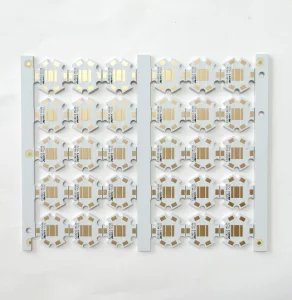
For specialized hardware like aluminum substrates or custom power supplies, we offer full-spectrum PCBA assembly. Our SMT manufacturing lines handle everything from prototype validation to high-volume production, ensuring reliable solder joint reliability.
Xeviora’s team of 128 R&D engineers works closely with clients to move designs from concept to final production. Backed by 8 years of export experience and 12 years of industry expertise, we ensure all custom developments comply with CE and FCC certifications. This rigorous approach guarantees seamless integration into global data center infrastructures.
Data center hardware requirements vary significantly depending on the target application and operating environment. Here, we examine three common scenarios where our high-performance hardware solutions are deployed:
Edge nodes deployed in manufacturing facilities or outdoor infrastructure face harsh conditions, including high vibration and extreme temperatures. Standard desktop hardware is unsuitable for these environments. In these use cases, industrial-grade DDR4 ECC memory modules and ruggedized passive aluminum heatsinks are utilized. The combination of error-correcting memory and durable cooling components ensures uninterrupted operation for critical industrial control systems.
AI inference workloads require high memory bandwidth to feed modern GPUs and high-core-count processors. By utilizing high-frequency DDR5 memory modules (up to 6000MHz) alongside direct-to-chip copper liquid coolers, data centers can maximize compute density. The liquid cooling loops maintain optimal processor temperatures under sustained workloads, while the high-speed DDR5 memory prevents data bottlenecks during intensive inference tasks.
For high-frequency trading platforms, reducing latency is paramount. System engineers configure custom BIOS settings to run high-speed memory modules at optimized timings. To keep these overclocked systems stable, high-performance CPU coolers and custom SMT-assembled PCBA components are utilized. This combination ensures maximum signal stability and helps prevent transaction processing delays.
Technical answers to help engineers, procurement specialists, and system integrators make informed hardware decisions.
High-performance DDR4 ECC modules, heavy-duty server water blocks, and custom PCBA solutions engineered for continuous enterprise operation.
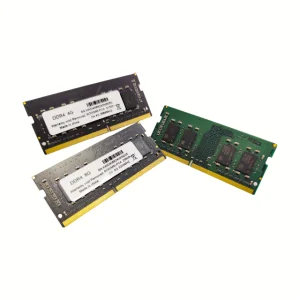
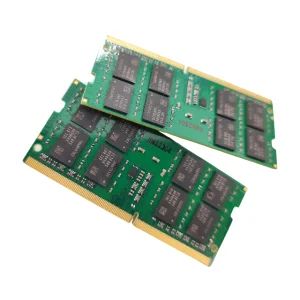
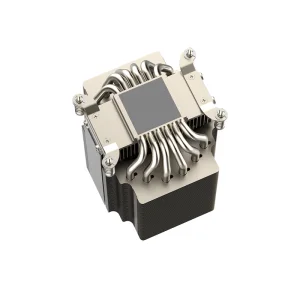
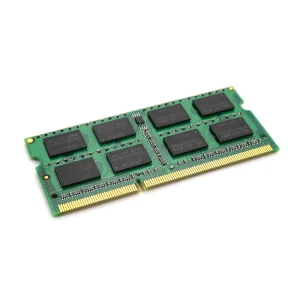
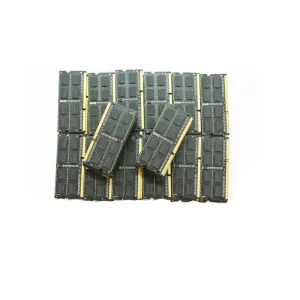
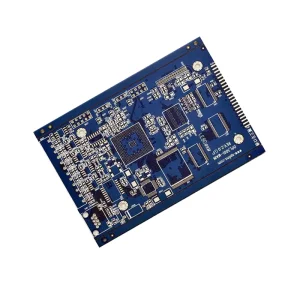
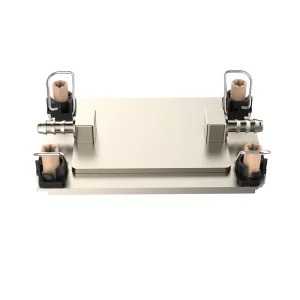
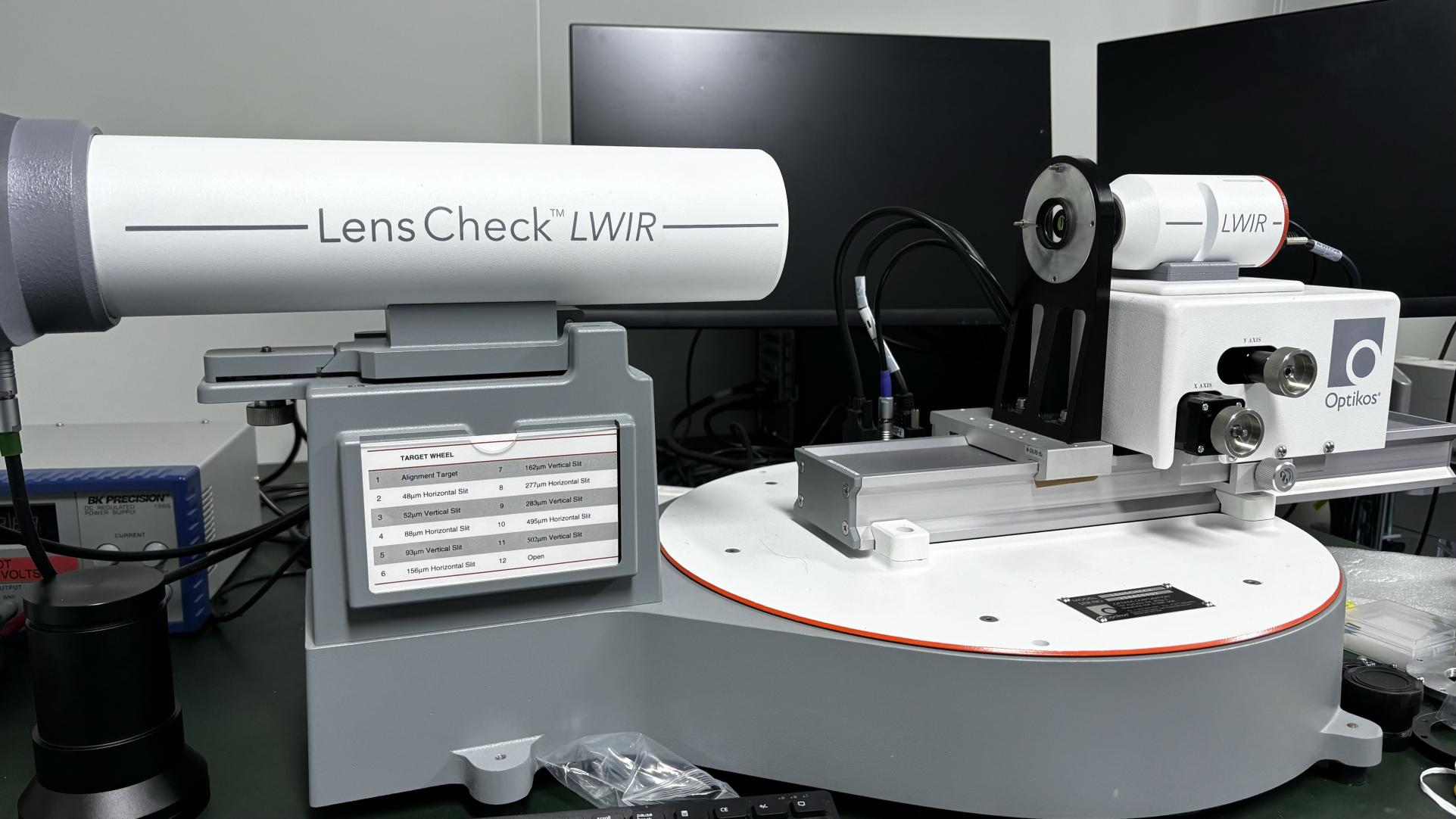
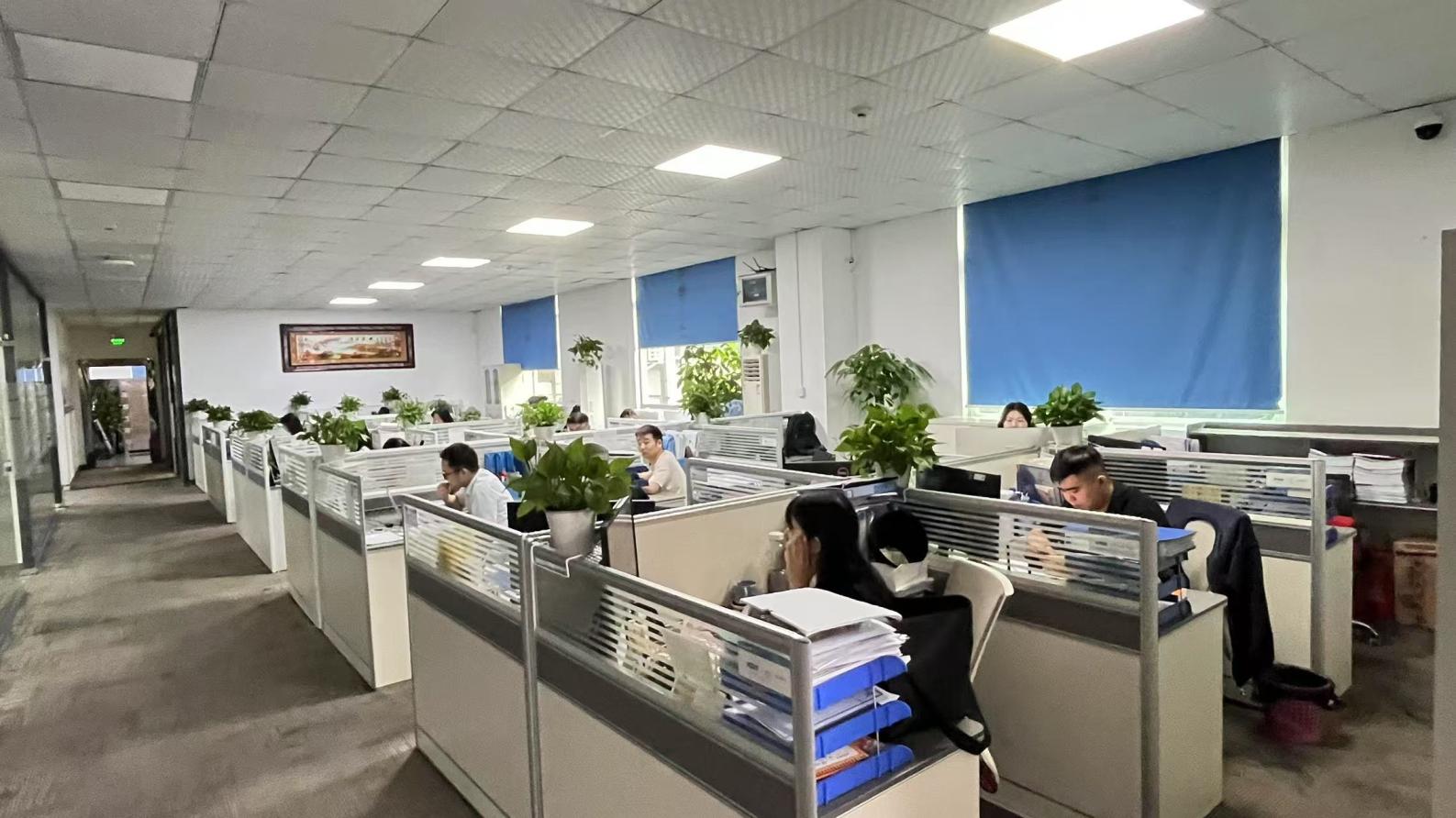
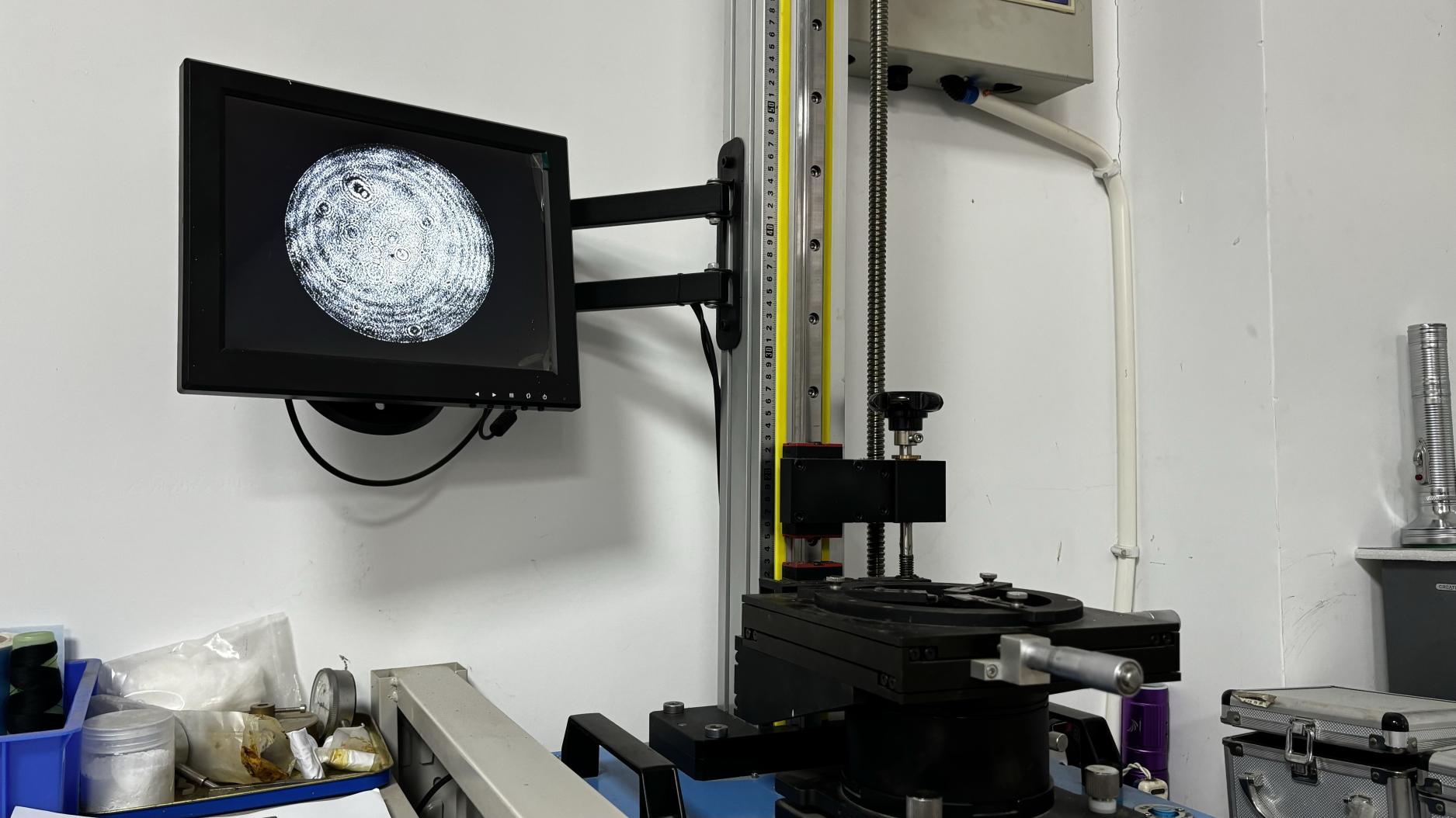
Inside Xeviora Memory Technology: Precision SMT production lines, automated testing environments, and cleanroom packaging facilities.