Xeviora
Xeviora
Xeviora
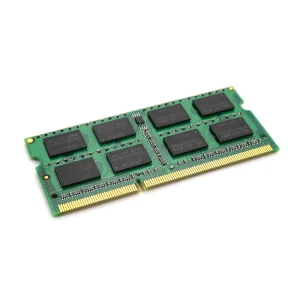
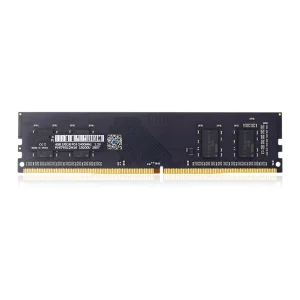
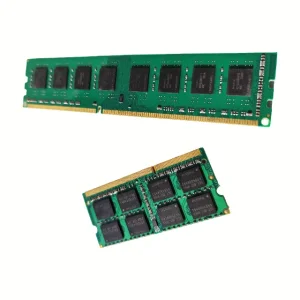
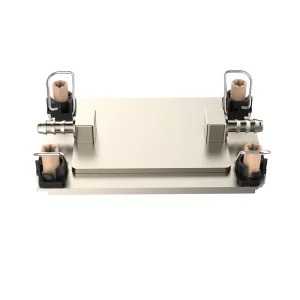
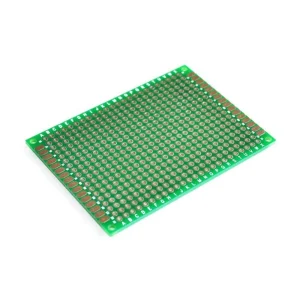
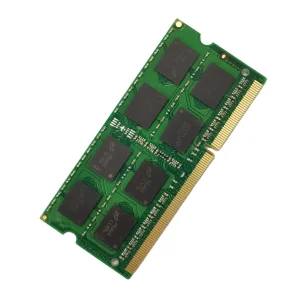
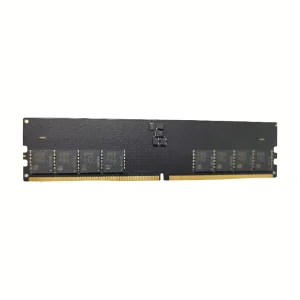
Modern robotics is undergoing an exponential shift driven by real-time spatial computing, neural network execution at the edge, and complex multi-axis motion planning. At the heart of every autonomous mobile robot (AMR), industrial manipulator, or intelligent machine vision controller is the critical electronic architecture: high-reliability PCB systems, robust cooling mechanisms, and extreme-performance memory systems (DDR4/DDR5).
As a leading pioneer in high-density memory architecture and cooling components, Xeviora Memory Technology (China) Co., Ltd. serves as a reliable manufacturer and supplier based in China. Founded in 2017, we have scaled our operations into a trusted global OEM/ODM partner for technology brands, robotic systems integrators, and industrial automation developers across Europe, North America, Southeast Asia, and South America.
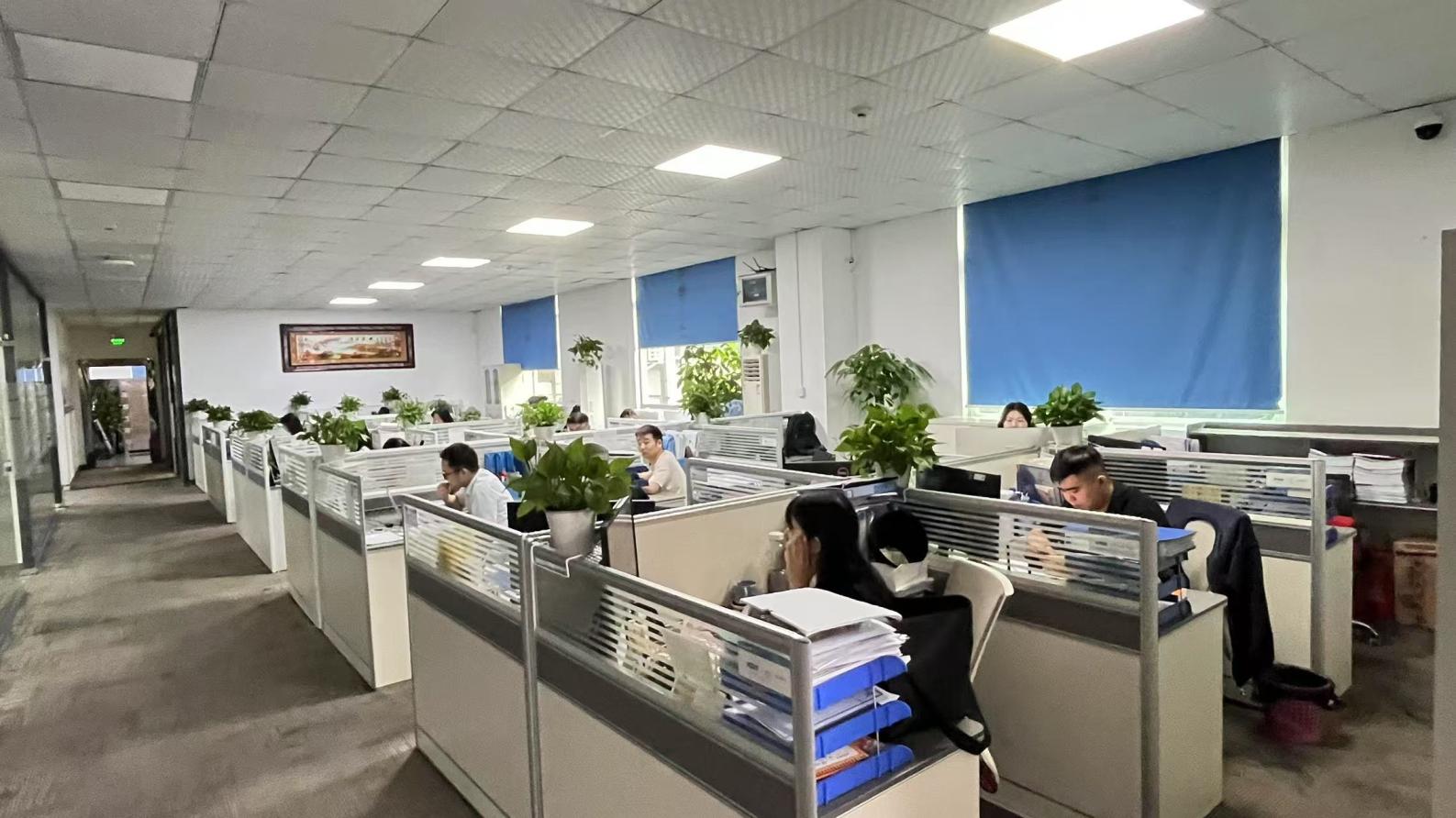
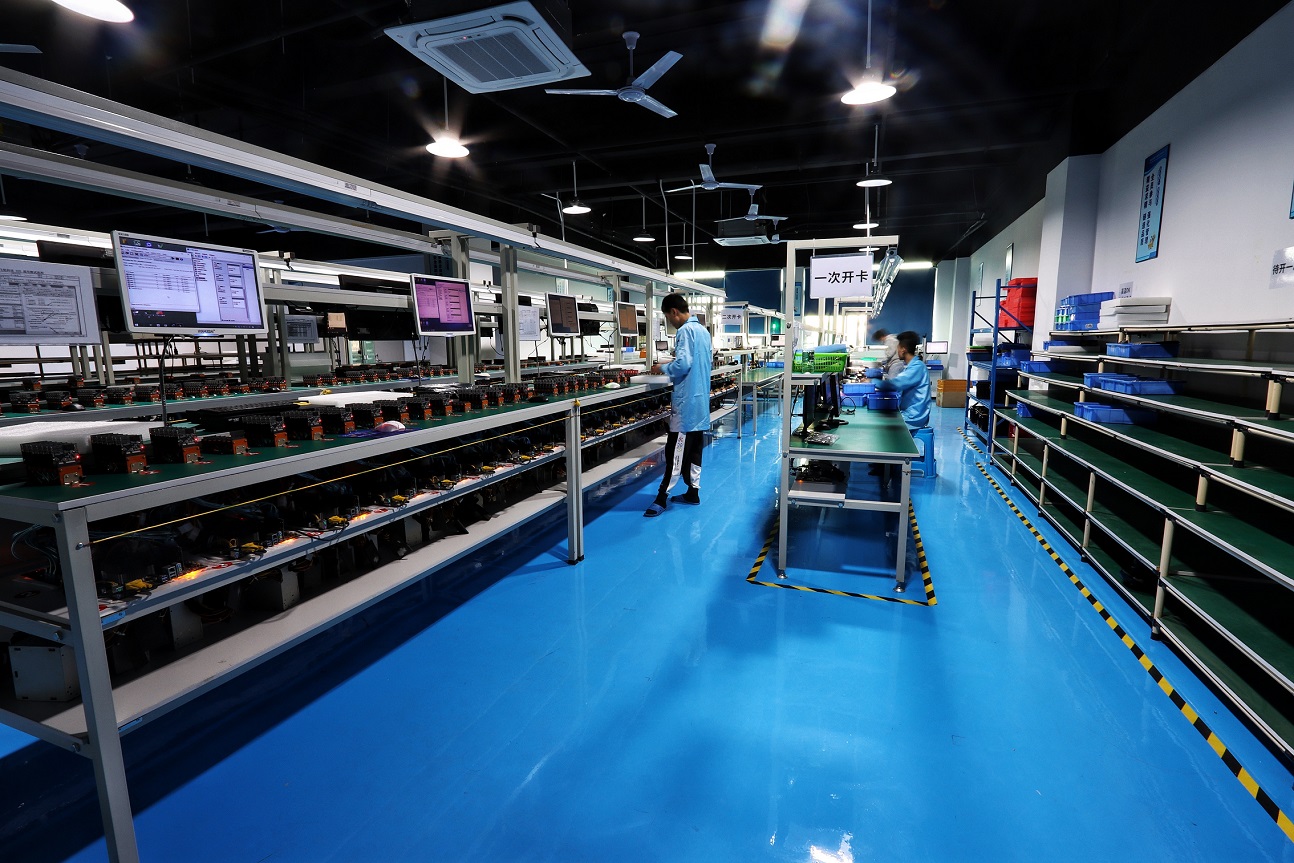
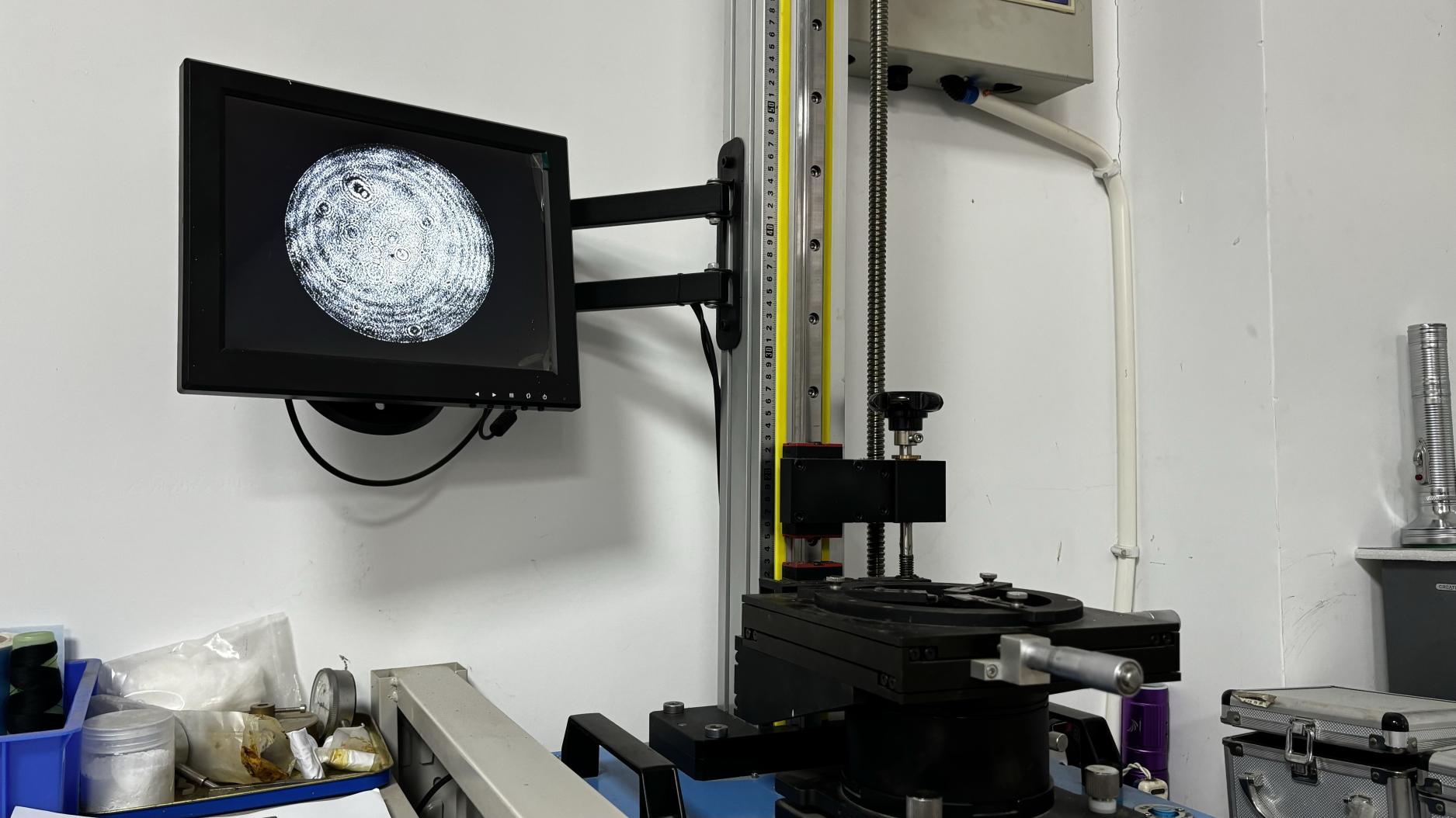
Operating a modernized manufacturing and testing facility, we maintain state-of-the-art production environments designed to ensure stable quality and reliable performance. With an annual export revenue surpassing USD 18 million, our focus on technical innovation and rigorous quality assurance has established us as a key supplier for computing-related robotics components globally.
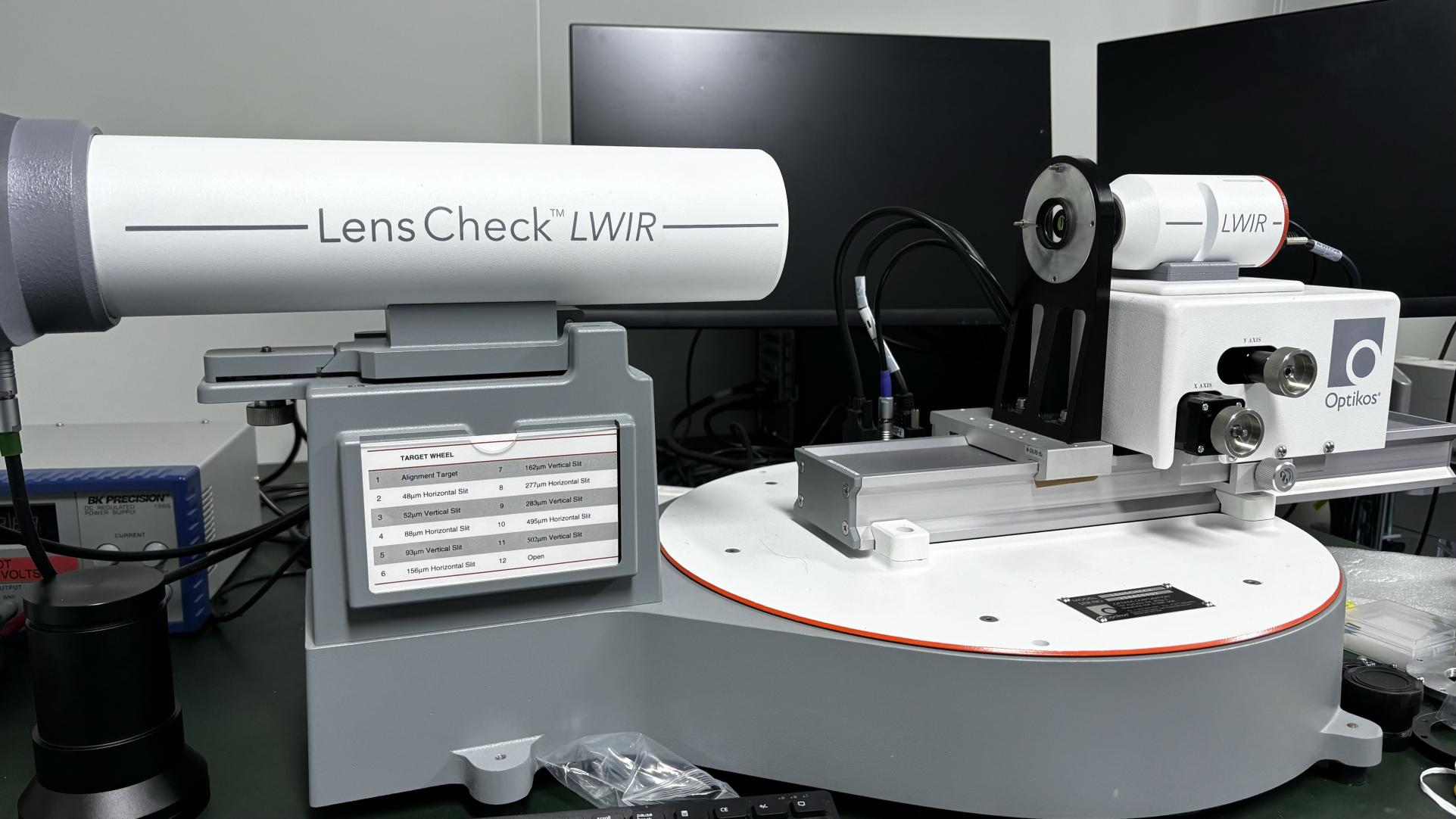
Why Tier-1 global integrators choose Chinese manufacturing ecosystems to construct next-generation robotic controllers, smart industrial cameras, and edge computing nodes.
China's industrial ecosystem offers unmatched vertical integration. From silicon wafers and raw high-thermal copper plates to high-frequency multilayer PCBs, all key sub-components are manufactured within a 50-mile radius, radically compressing lead times.
With rapid PCB fabrication and prototype design boards, robotic design engineers can test multiple board layouts and firmware integrations in days rather than weeks. This shortens the development cycle of custom robot control units (RCUs).
Leveraging scale, automated assembly processes, and optimized material logistics, Chinese suppliers offer high-performance thermal coolers and high-capacity industrial memory kits at highly competitive rates without sacrificing durability.
A closer look at how standard computer modules and advanced thermal solutions are repurposed and certified for critical robotics applications.
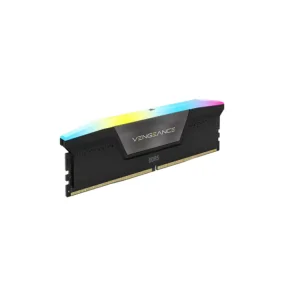
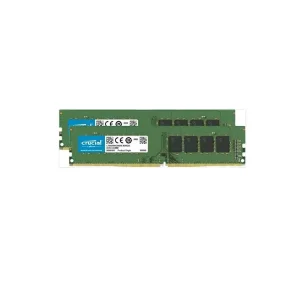
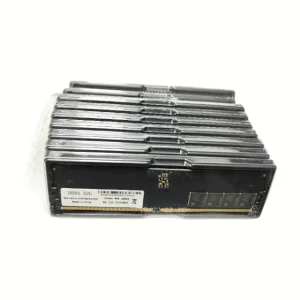
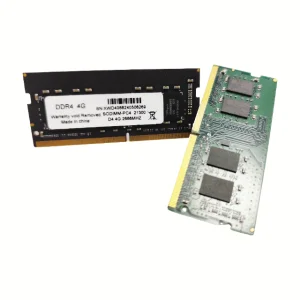
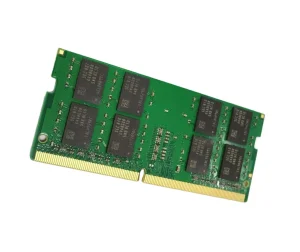
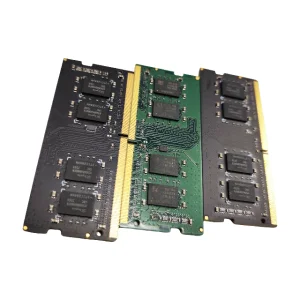
Robots operating in warehouses, manufacturing floors, and hazardous environments process massive sensor arrays, LiDAR feeds, and real-time vision algorithms. High-speed, high-density DDR4 and DDR5 modules act as the workspace for these computations.
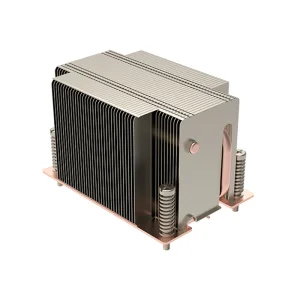
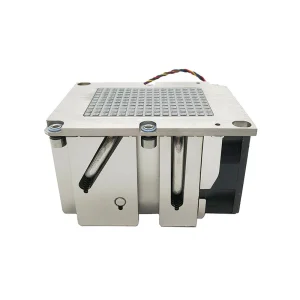
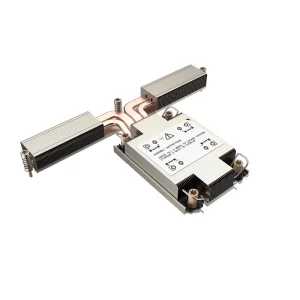
Robotic edge-servers hosting multi-core CPUs and AI accelerators generate immense heat. Normal passive cooling is insufficient inside sealed, dust-proof NEMA-rated enclosures.
Every sensor hub, actuator motor-driver, and logic interface controller in a robotic assembly relies on precise electrical routing. Our double-sided tinned PCB prototype boards provide the necessary stability for experimental circuits and mass-production runs.
Addressing the strict environmental and quality requirements of procurement departments for industrial and aerospace robotics components.
For system integrators, components must undergo rigorous quality assurance to avoid costly failures in the field. At Xeviora, we build reliability into our processes:
All finished products are checked by our team of 46 quality control inspectors to ensure compliance with CE, FCC, RoHS, and local industrial certifications, facilitating smooth customs clearance and import compliance.
We work to eliminate friction in international sourcing by aligning product designs, technical assistance, and logistics with local standards.
We provide localized engineering support to help system builders integrate high-speed memory and advanced thermal solutions, assisting with issues like RAM timings, socket clearances, and liquid-cooling loop pressures.
Our OEM/ODM services include customized heat spreader designs, tailored memory module configurations (VLP/ECC), firmware optimization, and white-label retail or bulk packaging.
We help ensure all components meet essential global directives like RoHS, CE, and FCC, simplifying compliance and integration for international target markets.
Preparing industrial platforms for next-generation AI workloads, high-power server processing, and challenging environmental demands.
As edge AI models grow, memory bandwidth is critical. Robotic computing modules will transition fully to DDR5, utilizing higher frequencies (5600MHz to 6400MHz+) to process complex datasets with minimal delay.
High-TDP robotic processors running AI and navigation software generate significant heat. Standard air cooling is being replaced by compact liquid blocks (such as LGA4677 copper plates) to prevent thermal degradation.
Robotics hardware must operate reliably for years under vibration and thermal stress. Manufacturers are focusing on industrial-grade build standards and extended component lifecycles to support stable supply lines.
Expert insights on product specifications, quality assurance, and international trade compliance for purchasing agents and system engineers.