Xeviora
Xeviora
Xeviora
Decades of combined engineering intelligence, state-of-the-art packaging integration, and strict quality gates define Xeviora Memory Technology.
Unpacking the structural shifts from DDR4 to DDR5, the impact of AI servers, and the economic efficiency of Chinese manufacturing hubs.
We source high-integrity, original DRAM dies, applying strict parameters to select only those chips capable of meeting peak operational frequencies.
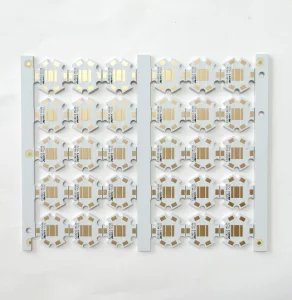
Custom multi-layer PCB design ensures minimized signal interference and optimal impedance matching for high-speed DDR5 buses.
Our localized supply chain enables custom firmware adjustments and packaging design turnarounds in days rather than weeks.
How Xeviora guarantees component reliability, long-term stability (MTBF), and flexible OEM/ODM integration.
| Testing Stage | Methodology & Parameters | Target Output / Assurance Metrics |
|---|---|---|
| Pre-assembly Sifting | Thermal and electrical stress binning of raw DRAM wafers. | Identification of optimal clock rate compatibility. |
| SMT Inspection | 3D Automated Optical Inspection (AOI) & X-Ray solder profiling. | Zero cold-joint solder defects, absolute component alignment. |
| Functional Testing | Motherboard compatibility cross-testing (Intel Core/Xeon, AMD Ryzen/EPYC). | Flawless boot sequence, native SPD profiling detection. |
| Environmental Stress | Thermal chamber testing (ranging from 0°C to 85°C for standard modules). | Industrial integrity validation, prevention of early failure. |
| Custom SPD/PMIC Programming | On-board firmware writing, customization of timing registers (CL-tRCD-tRP-tRAS). | XMP 3.0 / EXPO compatibility, specialized voltage tuning. |
From demanding server infrastructure to edge-computing hardware, Xeviora modules are engineered for stability.
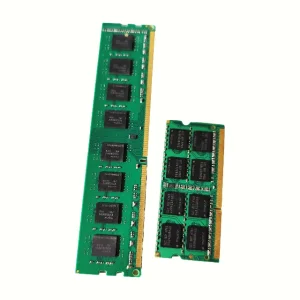
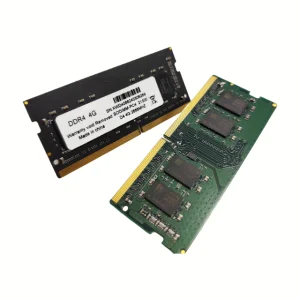
Our DDR4 and DDR5 ECC RDIMMs deliver the high capacity and error-correcting capabilities necessary for cloud computing and enterprise servers.
For factories and outdoor edge devices, we manufacture memory modules that withstand temperature variations, vibration, and dust.
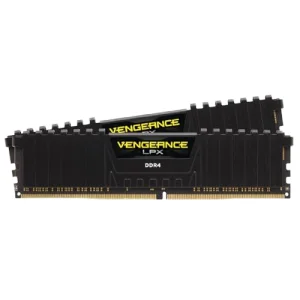
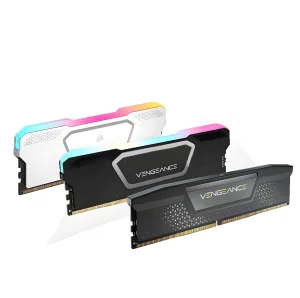
Low-latency DDR5 modules with integrated RGB lighting and custom heatsinks provide the speed and aesthetics gamers expect.
Extremely reliable workstations rely on our memory modules to run continuous diagnostic imaging tasks without data loss.
Our engineering team analyzes the structural advantages of next-generation RAM standards.
Technical details on memory modules, customization, and factory operations.
DDR5 features an on-board Power Management IC (PMIC) and On-Die ECC for improved reliability. It also operates at a lower voltage (1.1V compared to DDR4's 1.2V) and utilizes dual 32-bit subchannels to double the data rate and improve bus efficiency.
Every memory batch undergoes functional validation on a wide array of server and consumer motherboards from brands like Intel, AMD, ASUS, and Gigabyte. We adjust the SPD profiles to match diverse BIOS and UEFI settings.
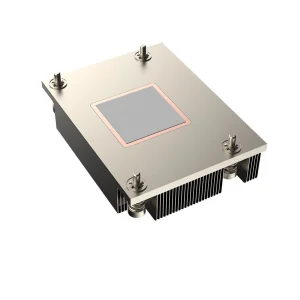
We offer full-service customization, including private labeling, logo printing, custom packaging, heatsink design, and SPD firmware adjustments to configure specific timings, frequencies, and voltages.
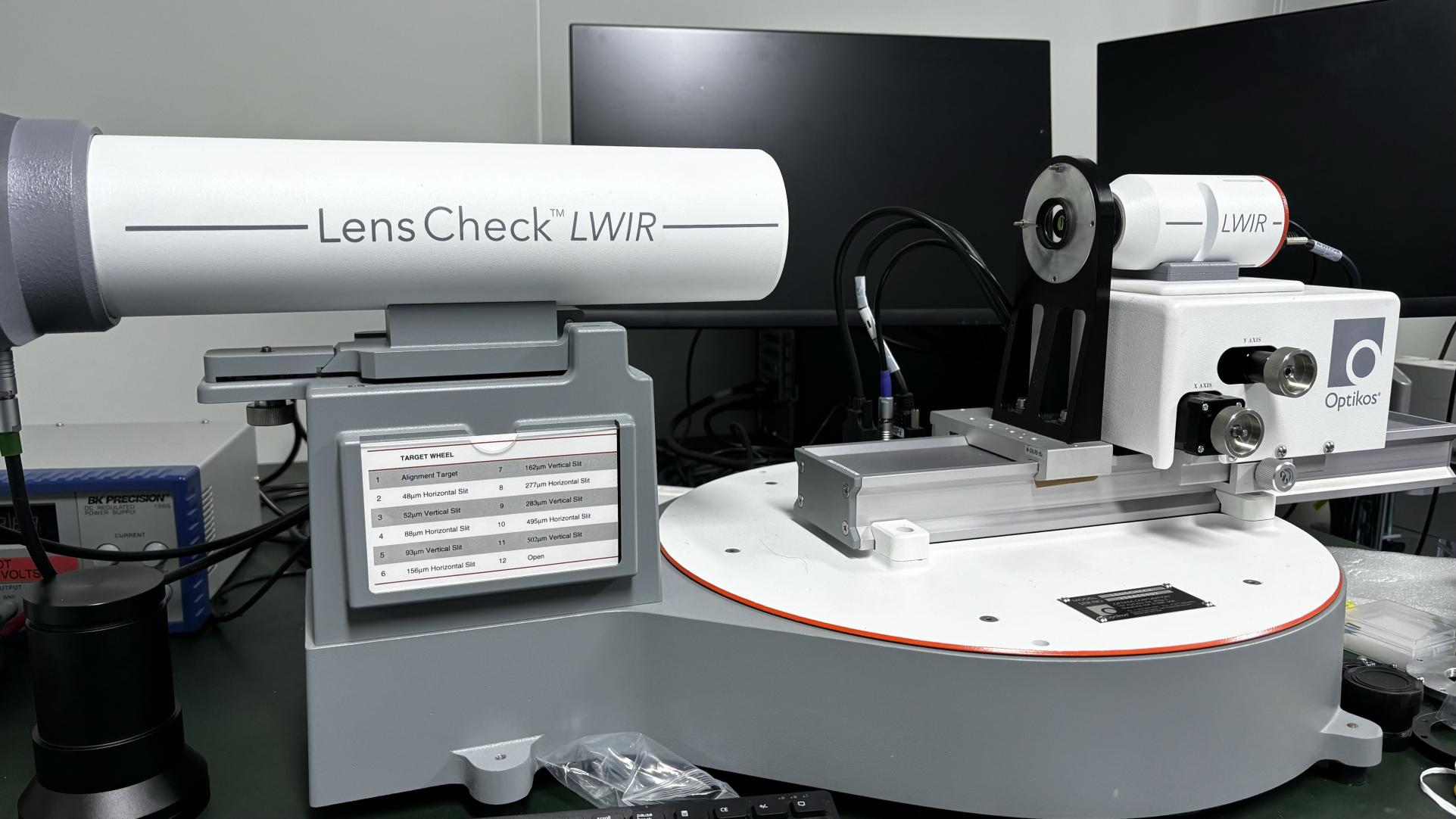
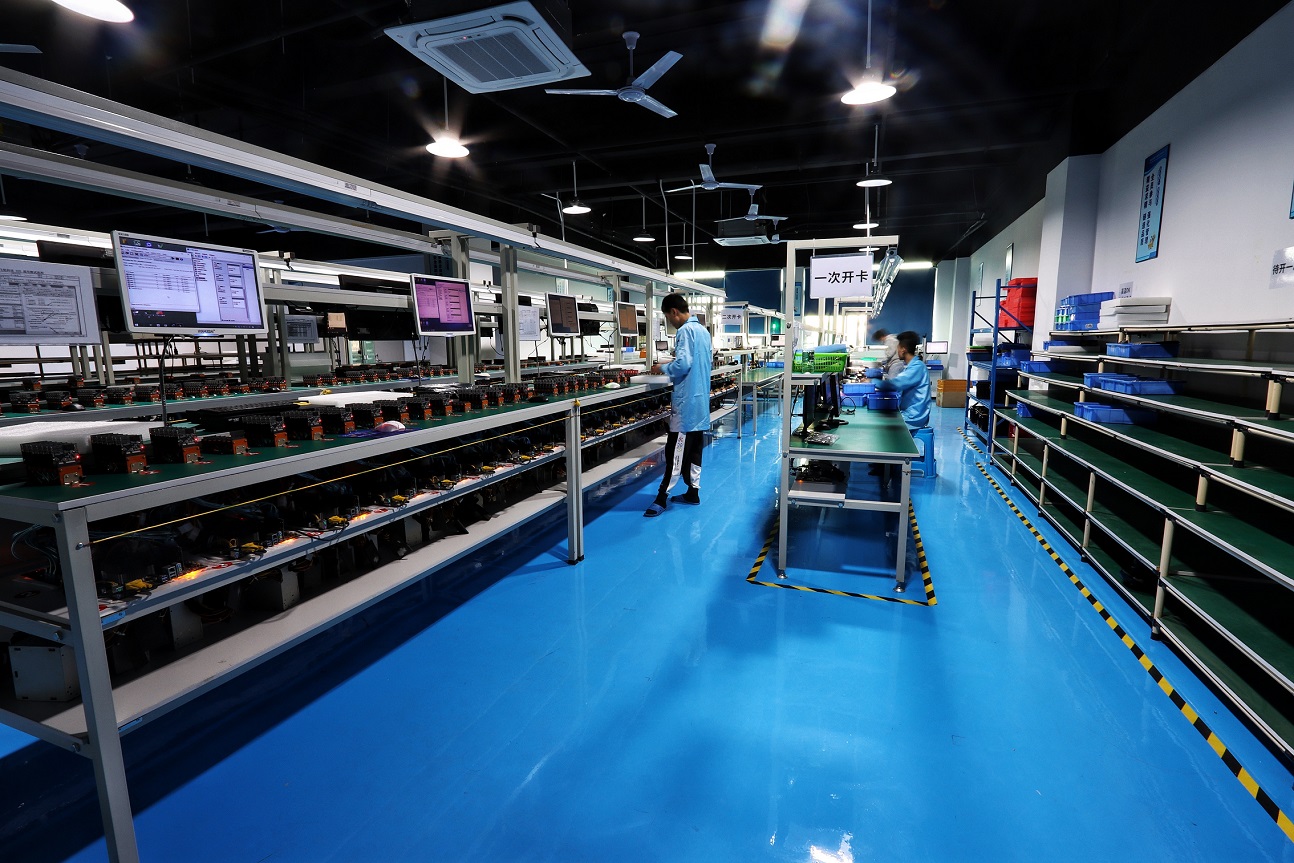
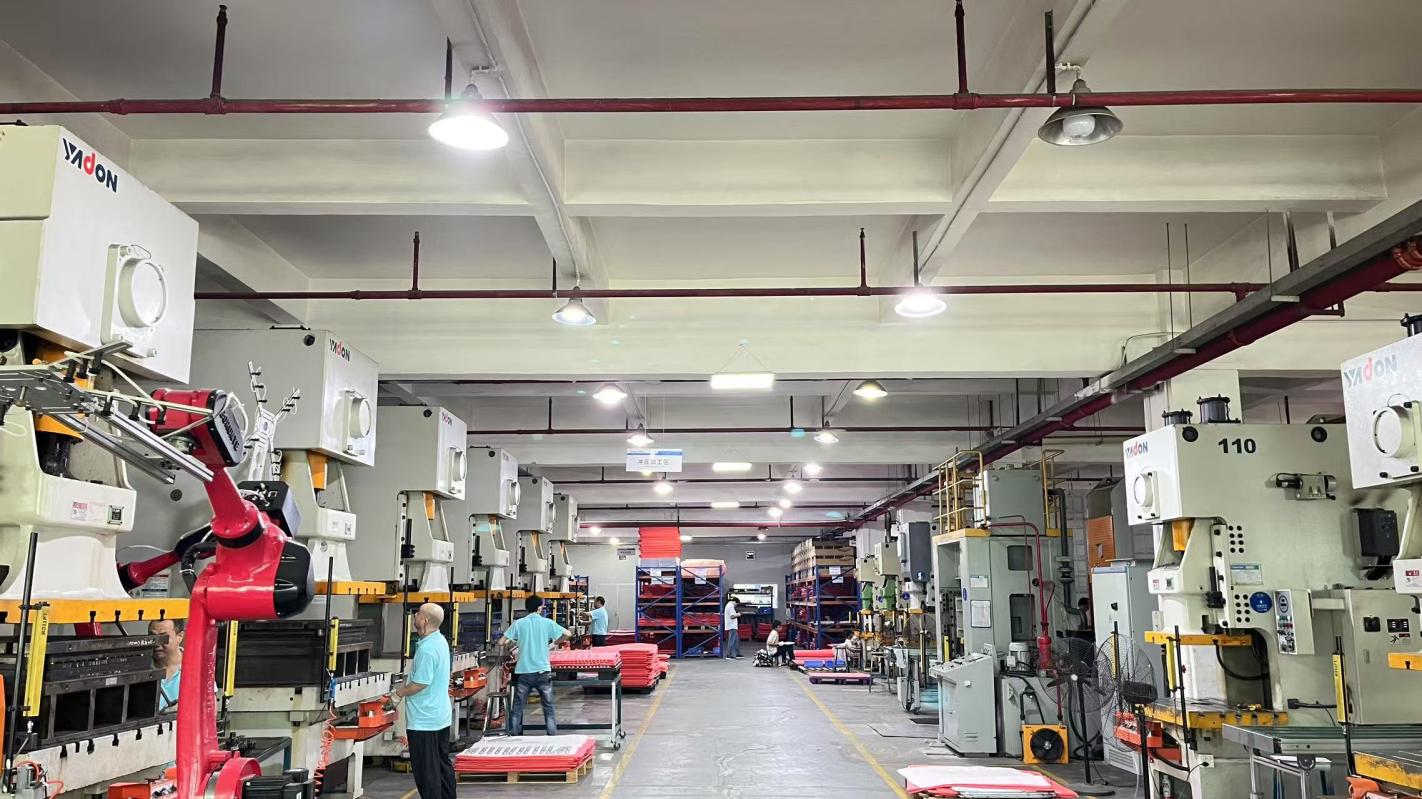
Our facility functions as a high-density, ultra-clean assembly, testing, and final quality control laboratory. We collaborate with 850+ industrial partners to handle massive raw wafer processing and PCB manufacturing, keeping our core operations focused on testing, validation, and final assembly.
Yes, our industrial-grade DRAM modules undergo specialized thermal binning and burn-in testing to guarantee reliable, long-term operation within standard industrial operating temperature ranges.
Standard OEM/ODM orders are typically delivered within 7 to 15 working days, depending on component availability and customization requirements. Our logistics network ensures quick shipment from our China hub.
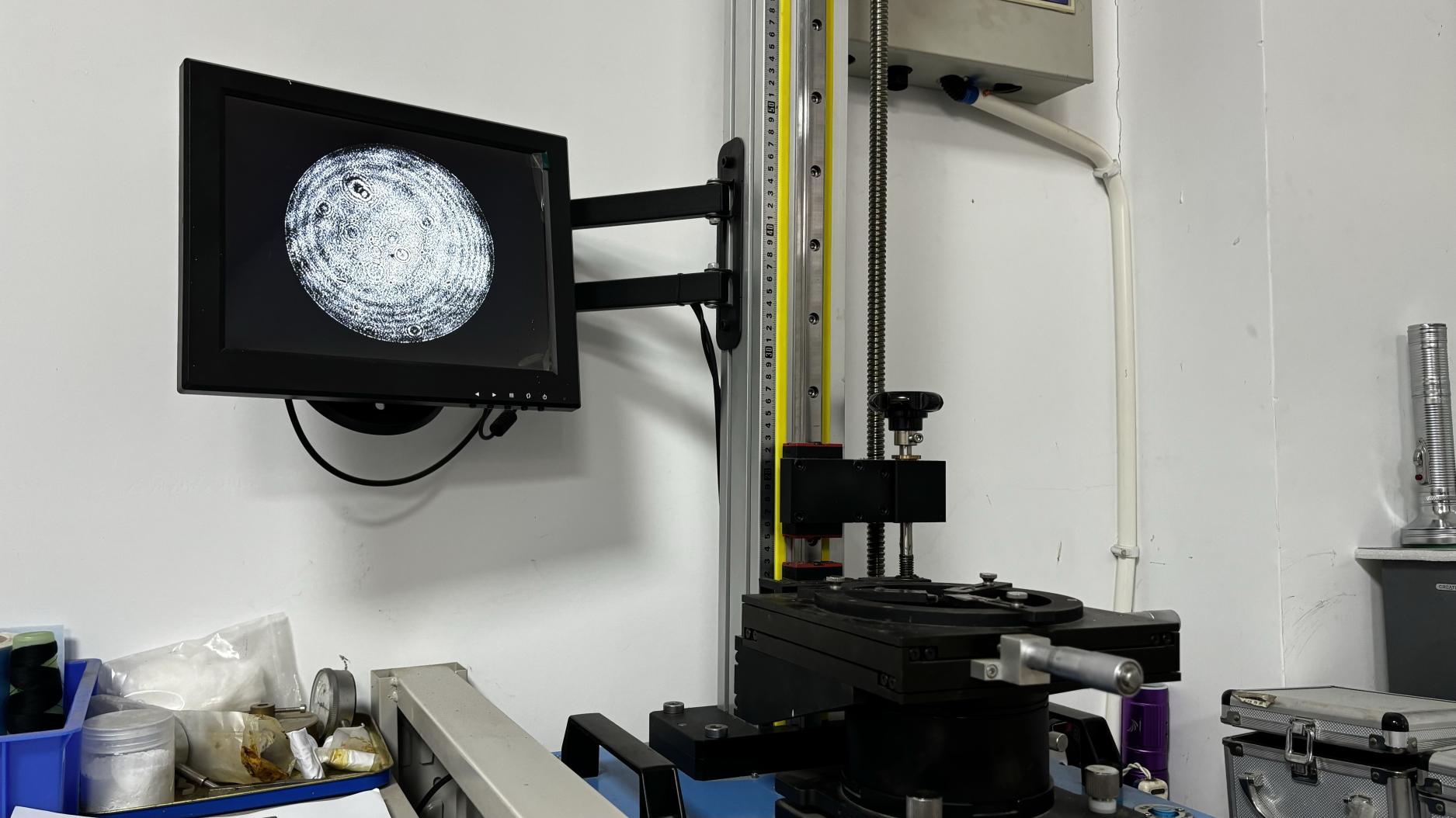
Our automated production environments, cleanroom facilities, and testing stations.