 Xeviora
Xeviora
Xeviora
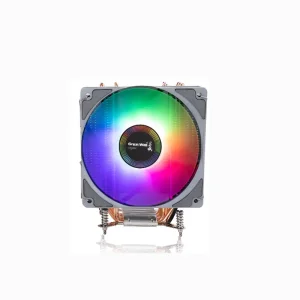 LGA1700 M-ATX Compact 6-Tube Copper Aluminum Red LED Heat Sink 220W Air Cooled
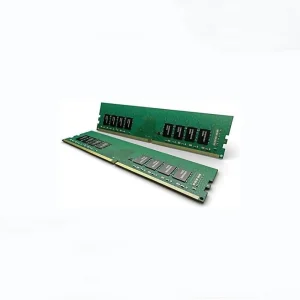 Factory Wholesale ECC Laptop DDR4 RAM 8GB-32GB 2666MHz Memory Module
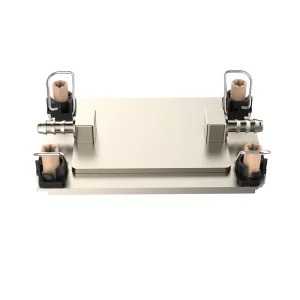 High Performance 1U Copper LGA4677 400W Water Cooler Block
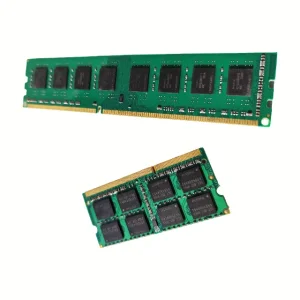 Wholesale Multi-Capacity DDR4 2666MHz ECC Laptop Memory Module
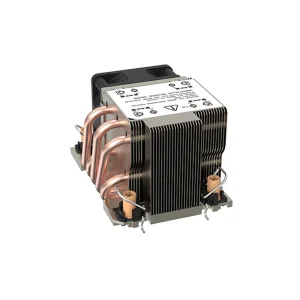 300W LGA 4677 Desktop 2U Server Laptop CPU Heat Sink Cooler
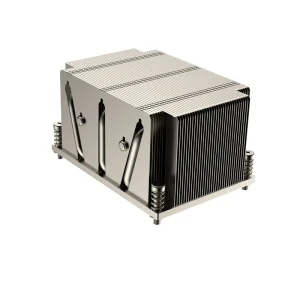 Processor Heatsink LGA4926 300W Server Heatsink 2U 5 Heat Pipe
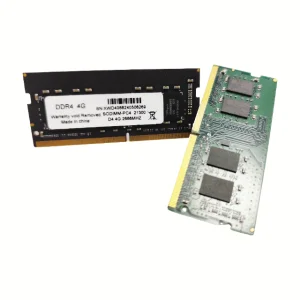 Factory Wholesale Laptop DDR4 ECC 4GB 8GB 2666MHz RAM Module
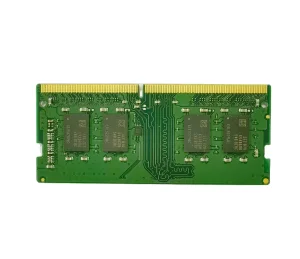 Bulk Most Popular Frequency DDR4 RAM 4GB 8GB 16GB Laptop Memory
As we navigate through 2024, the demand for CE certified wireless charger factories has reached an all-time high, driven by the convergence of mobile mobility, AI-integrated devices, and the global push for standardized charging ecosystems. For the professional exporter and manufacturer, "compliance" is no longer a buzzword but a prerequisite for entering the European and North American markets.
Wireless charging technology, once a premium feature, has transitioned into a fundamental infrastructure component. This shift is characterized by the adoption of Qi2 standards, the integration of Gallium Nitride (GaN) for thermal efficiency, and the expansion into high-wattage applications (30W, 50W, and beyond).
The new standard introduces Magnetic Power Profile (MPP), ensuring perfect alignment every time, reducing energy loss and heat generation during high-speed charging cycles.
Procurement trends show a 400% increase in demand for 3-in-1 and 4-in-1 charging stations catering to smartphones, smartwatches, and TWS earbuds simultaneously.
Embedded wireless charging modules for automotive consoles and industrial furniture are reshaping the landscape for OEM components.
For global buyers, sourcing from a reliable exporter involves deep due diligence on compliance. A CE Certification signifies that the product meets high safety, health, and environmental protection requirements for the European Economic Area. This is vital for wireless chargers to prevent RF interference and ensure thermal safety.
Our factory protocols incorporate rigorous Information Gain strategies—providing buyers with full BOM (Bill of Materials) transparency, thermal mapping reports, and efficiency curve data that exceeds standard industry offerings.
✔ Coil Quality: Pure oxygen-free copper vs. copper-clad aluminum.
✔ Control Chipset: Integrated MCU with Over-Voltage Protection (OVP).
✔ Housing: V0-grade fireproof PC/ABS materials.
✔ FOD: Advanced Foreign Object Detection sensitivity settings.
Xeviora Memory Technology (China) Co., Ltd. is a professional DDR5 memory manufacturer and supplier based in China, specializing in high-performance RAM solutions for gaming, industrial, enterprise, and consumer applications. Established in 2017, the company has rapidly grown into a trusted OEM and ODM partner for global distributors, system integrators, and technology brands.
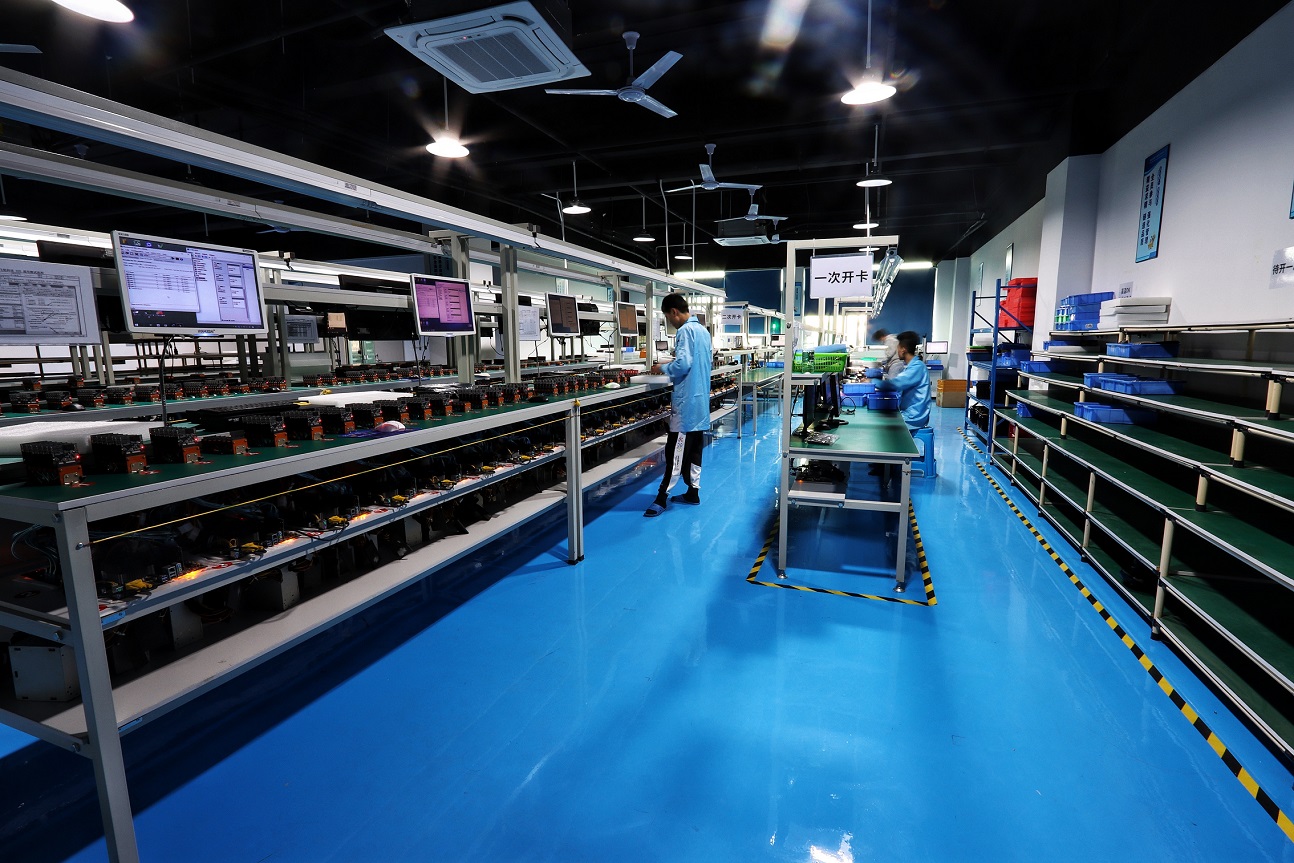
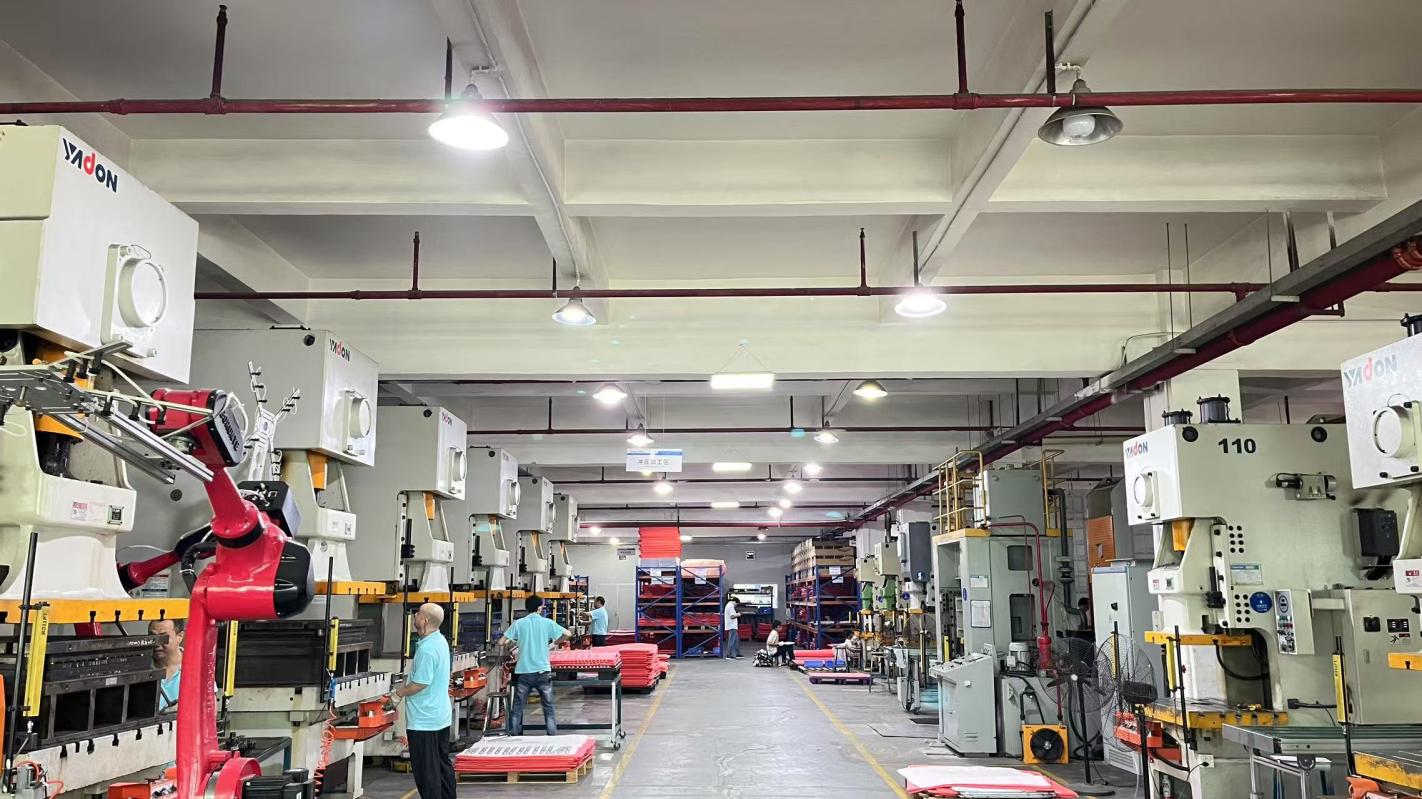
Our manufacturing facility covers 368 square meters and is equipped with advanced production and testing equipment to ensure stable quality and reliable performance. With an annual export revenue of over USD 18 million, Xeviora serves customers across North America, Europe, Southeast Asia, the Middle East, and South America.
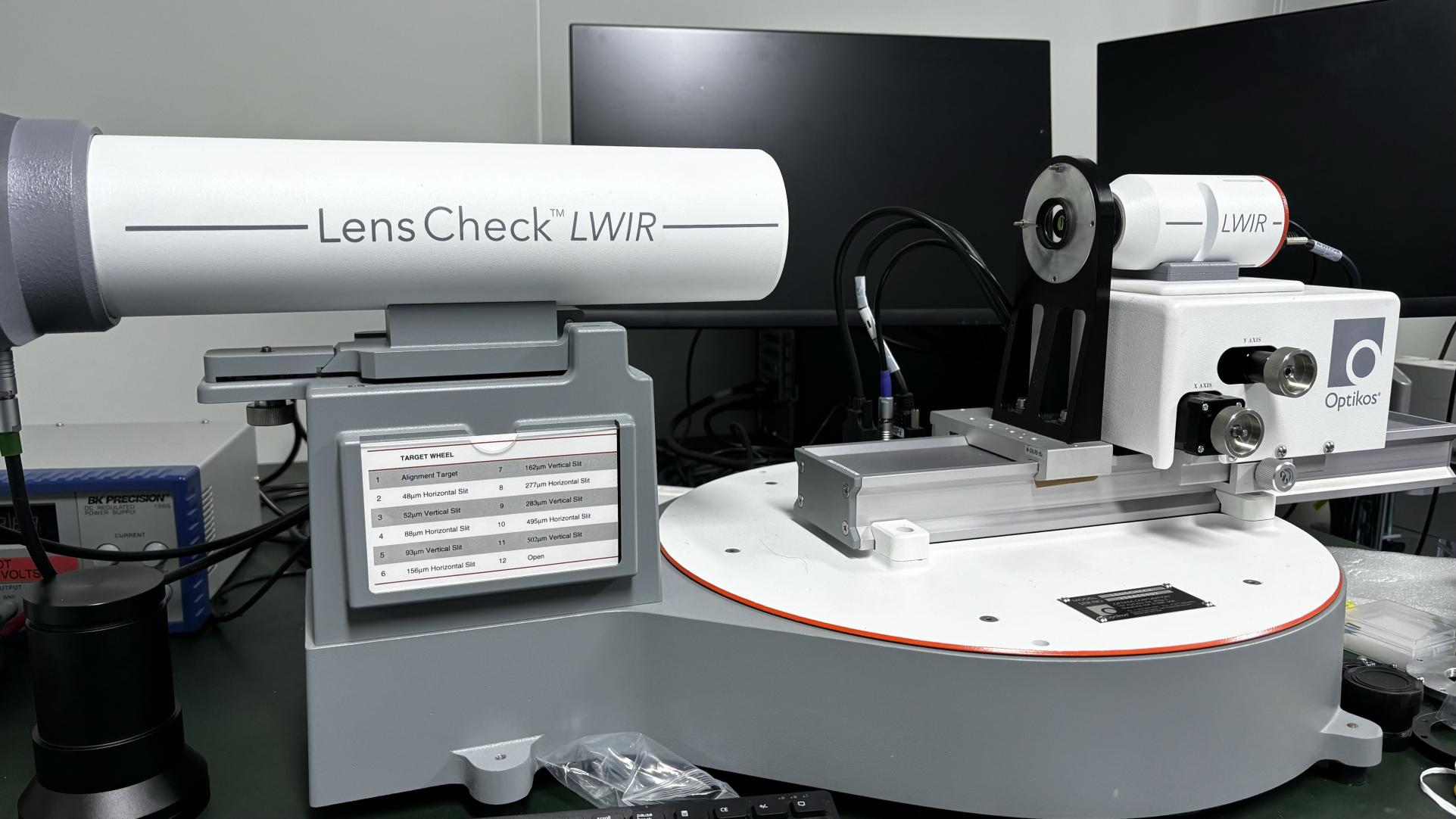
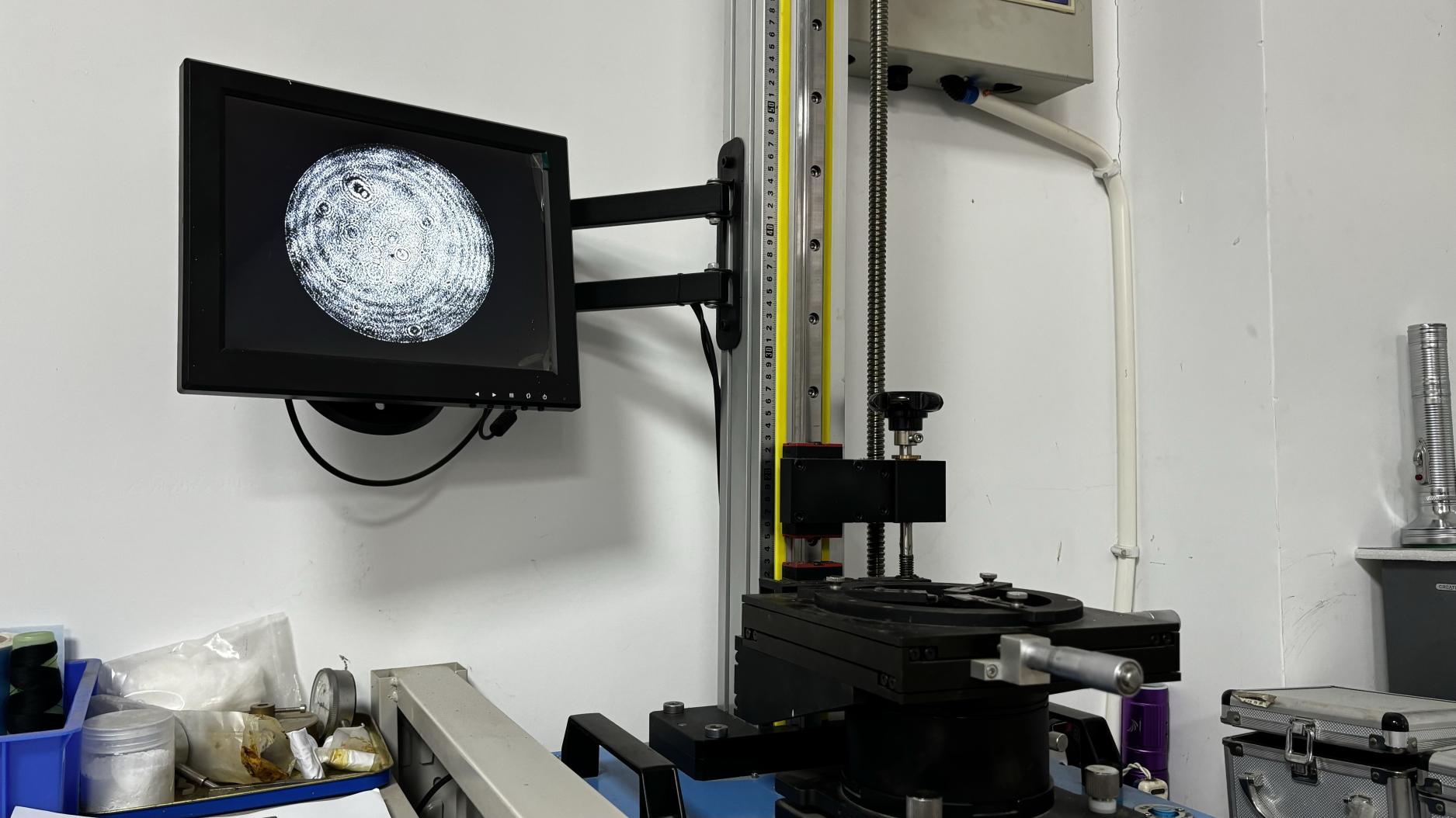
Backed by 8 years of export experience and 12 years of industry expertise, we are committed to delivering innovative memory products that meet international quality standards. All products undergo automated functional testing, compatibility verification, performance validation, and aging tests before shipment. Our quality assurance team consists of 46 dedicated inspectors who ensure every module meets strict reliability requirements.

Future modules will feature AI chips that detect battery health in real-time, adjusting current to extend Lithium-ion longevity through adaptive pulse charging.
Moving from inductive to resonance-based charging, allowing devices to charge up to 30mm away from the surface, perfect for "under-the-desk" invisible installations.
Utilization of bio-plastics and recycled aluminum in charger housings to meet the growing ESG (Environmental, Social, and Governance) requirements of global retailers.
A leading wireless charger exporter does more than ship products; they provide macro-solutions. Whether it is a hotel chain requiring embedded nightstand chargers or a corporate office upgrading to wireless-enabled boardrooms, our engineering team provides:
A high-quality factory maintains a clean-room SMT environment, uses high-precision aging test racks, and provides documented traceability for every PCBA unit. They also invest in independent EMC testing to ensure compliance with EN 303 417 standards.
We utilize thermal conductive pads and integrated heat sinks, similar to our LGA1700 cooling technologies, ensuring the charger stays below 45°C even during peak 15W+ delivery to protect device batteries.
Yes, we offer comprehensive OEM/ODM services including laser-etched logos, custom retail packaging, and customized firmware "handshake" names for professional brand positioning.
GaN (Gallium Nitride) allows for smaller component footprints and significantly lower heat dissipation, which is critical for maintaining the high efficiency (typically >75%) required for Qi certification.
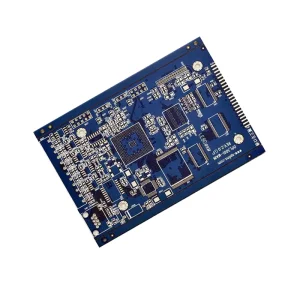 OEM PCB Processing Power Supply SMT PCBA DIP Soldering Assembly
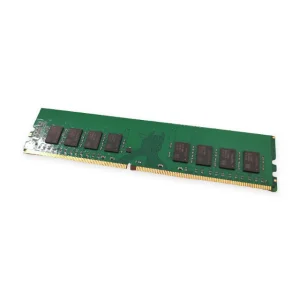 DDR4 Laptop Memory Module ECC 8GB 2400-2666MHz Lifetime Warranty
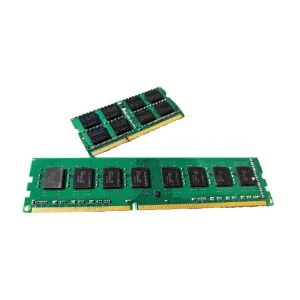 RAM DDR4 16GB ECC for Desktop Laptop Memory Module Compatible
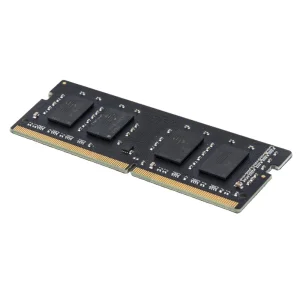 Factory Wholesale Ram Ddr3 Memory Ram 8GB 1333/1600MHz Laptop
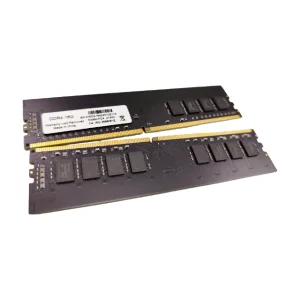 Desktop Computer Memory RAM DDR4 16GB 2666/3200mhz Module
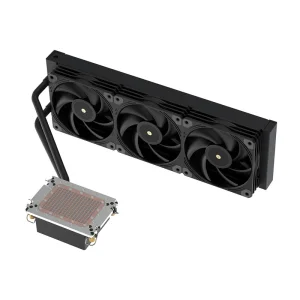 Computer Cooling Fan Heat Pipe LGA4677 Server 4U Water Cooling
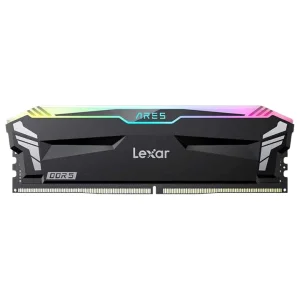 Desktop DDR5 ECC 32GB 1333MHz Gaming RGB Memory Module
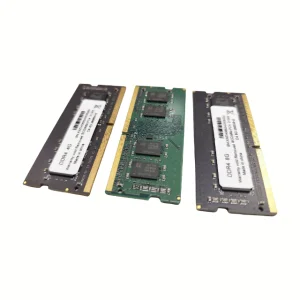 Wholesale DDR4 Desktop Memory Module RAM 4GB 8GB 1600MHz-3200MHz