Xeviora
Xeviora
Xeviora
Explore our flagship high-frequency substrates, high-performance thermal modules, and enterprise-grade system memory designed for extreme stability.
The global transition from traditional low-pressure mercury lamps to solid-state UV optoelectronics is accelerating. The driving force behind this paradigm shift comprises stringent international environmental agreements—such as the Minamata Convention on Mercury—coupled with the significant operational efficiencies offered by UVC LEDs (260nm to 280nm). For enterprise-level distributors, system integrators, and product engineers, selecting verified UVC LED components requires a deep understanding of optical physics, substrate thermal dynamics, and international regulatory frameworks.
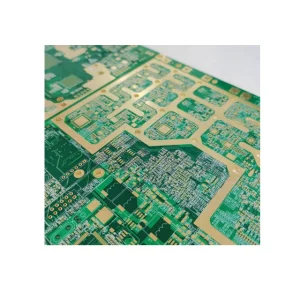
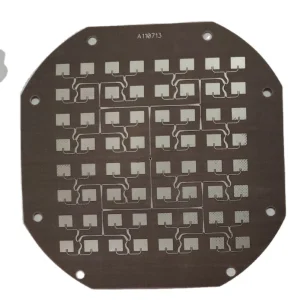
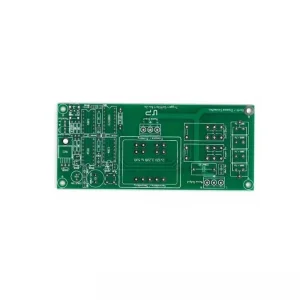
As a premier optoelectronic engineering group, we understand that manufacturing durable UVC LED assemblies is fundamentally a challenge of thermal management and chip packaging material science. While standard LEDs operate efficiently on generic FR4 substrates, high-power deep ultraviolet chips demand advanced aluminum and ceramic substrates (like Taconic TLY-5 high-frequency and high-thermal-conductivity metal-clad PCBs) to survive extreme thermal loads.
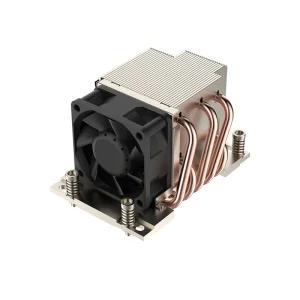
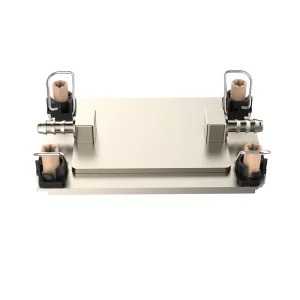
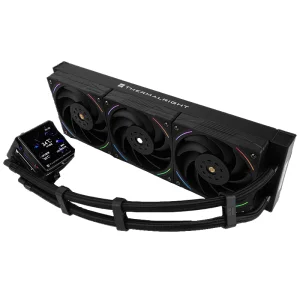
Without appropriate thermal dissipators, such as specialized copper/aluminum water blocks or active fan assemblies (similar to our server cooling processors), UVC LED optical efficiency degrades rapidly, reducing the operational life well below the promised 10,000 to 20,000 hours.
The highest germicidal efficacy occurs between 260nm and 265nm, where nucleic acid absorption peaks. Our premium UVC LEDs are calibrated within this narrow band, guaranteeing maximal pathogen inactivation rates.
UVC LEDs typically yield Wall Plug Efficiencies (WPE) between 2% and 5%. Efficient drivers, low-impedance circuitry, and precision gold-tin eutectic bonding are vital to minimize heat loss.
Empowering global enterprises with advanced optoelectronic packaging, SMT fabrication lines, and highly controlled microelectronic modules.
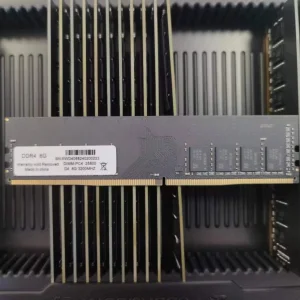
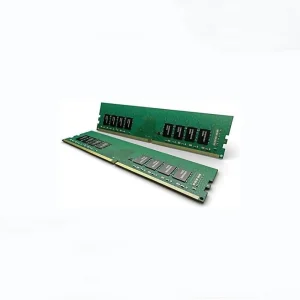
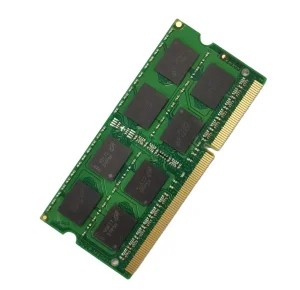
Xeviora Memory Technology (China) Co., Ltd. is a professional manufacturer and supplier based in China, specializing in high-performance RAM solutions, advanced semiconductor packaging, and printed circuit board assemblies (PCBA) for gaming, industrial, enterprise, and optoelectronic applications. Established in 2017, the company has rapidly grown into a trusted OEM and ODM partner for global distributors, system integrators, and technology brands. By utilizing our microelectronics assembly precision, we produce next-generation optoelectronic components and controllers that form the backbone of modern UVC LED disinfection systems.
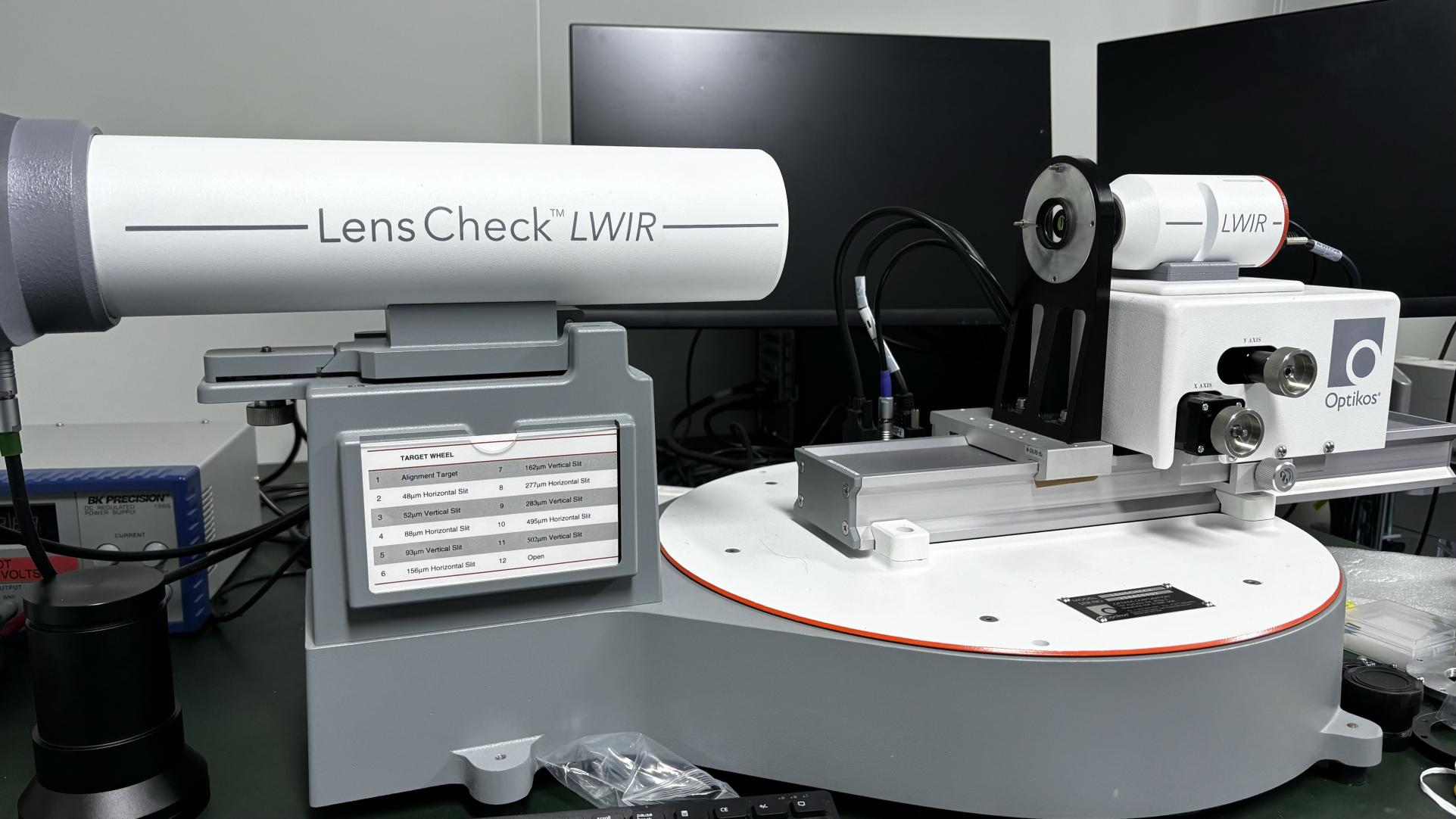
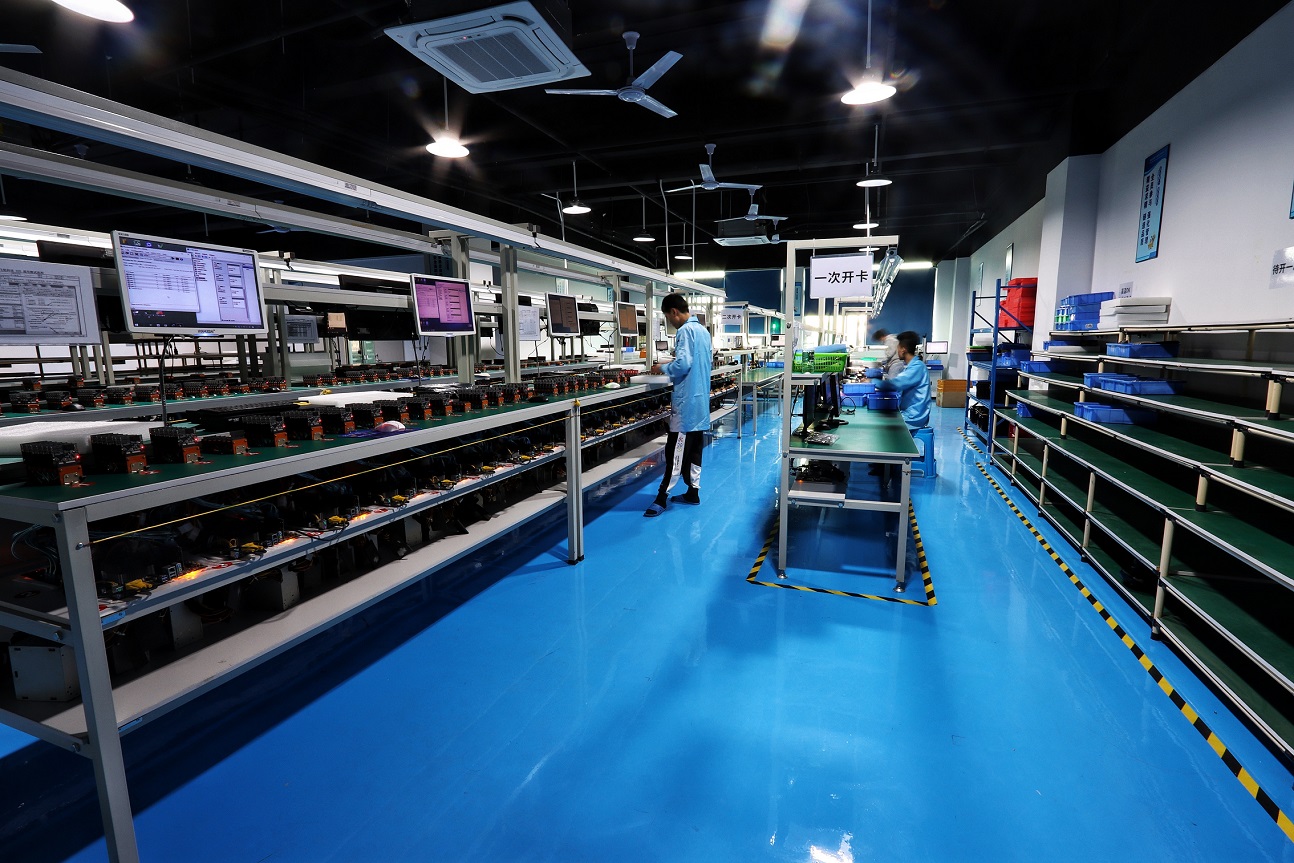
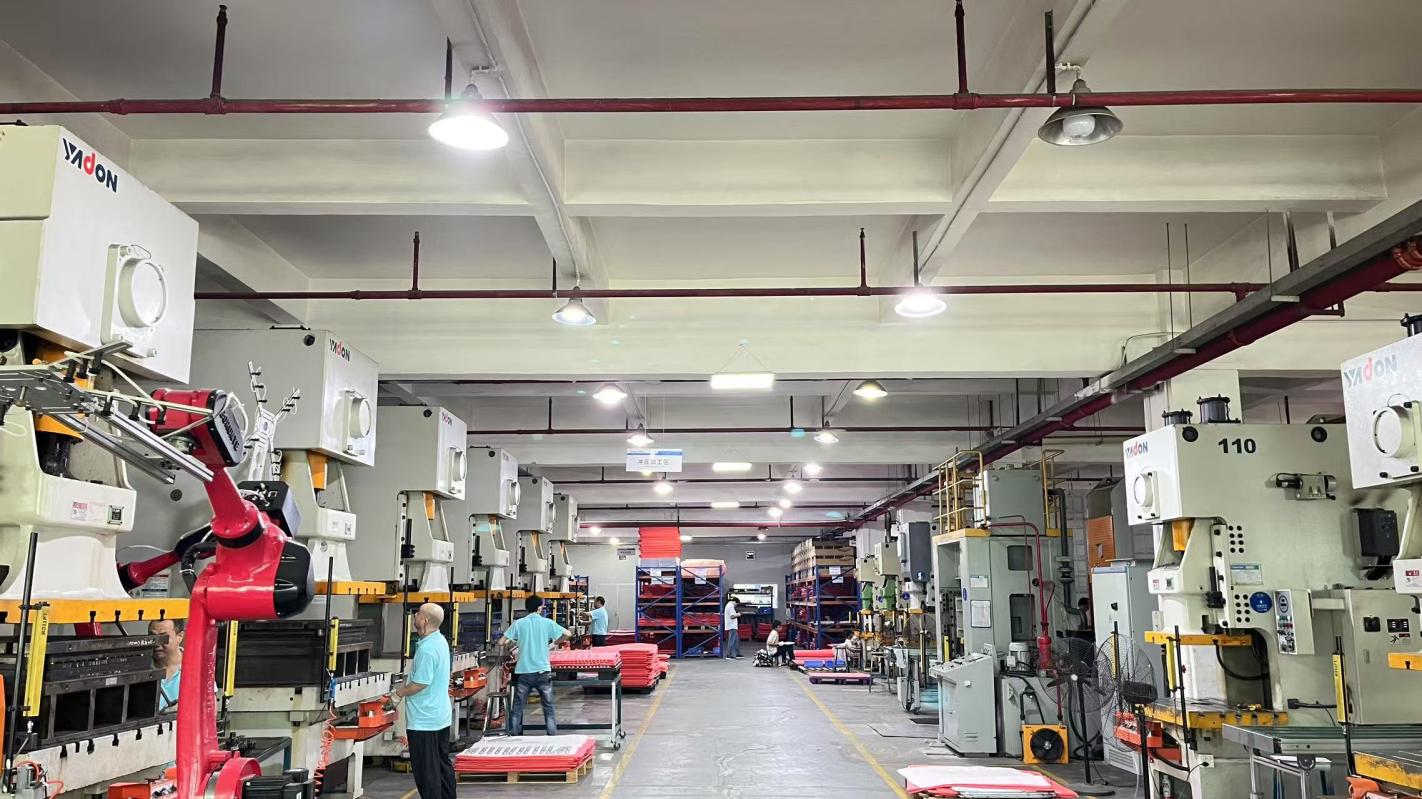
Our manufacturing facility covers 368 square meters of dust-controlled space and is equipped with advanced surface-mount technology (SMT) production lines and optical testing equipment to ensure stable quality and reliable performance. With an annual export revenue of over USD 18 million, Xeviora serves customers across North America, Europe, Southeast Asia, the Middle East, and South America.
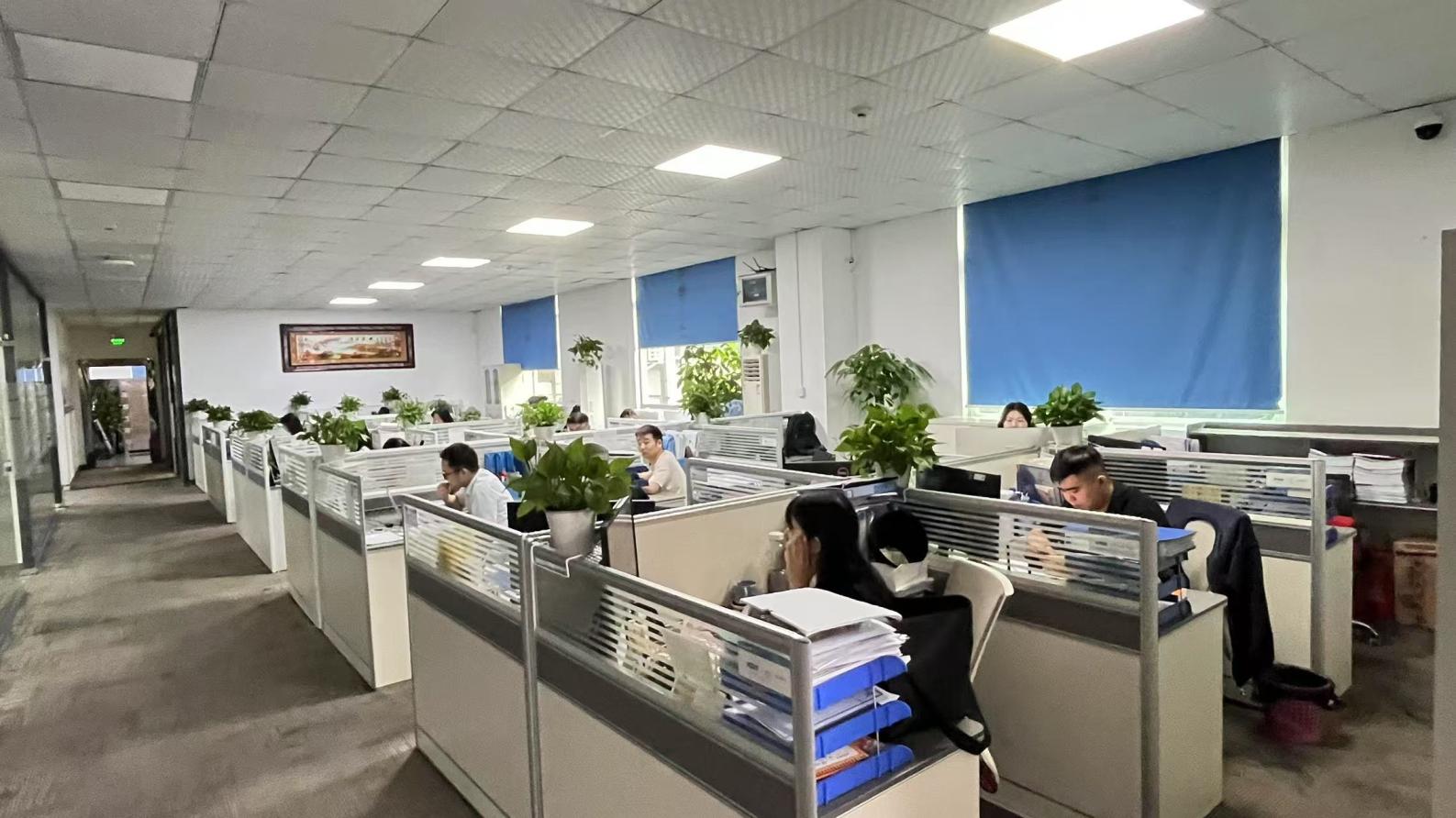
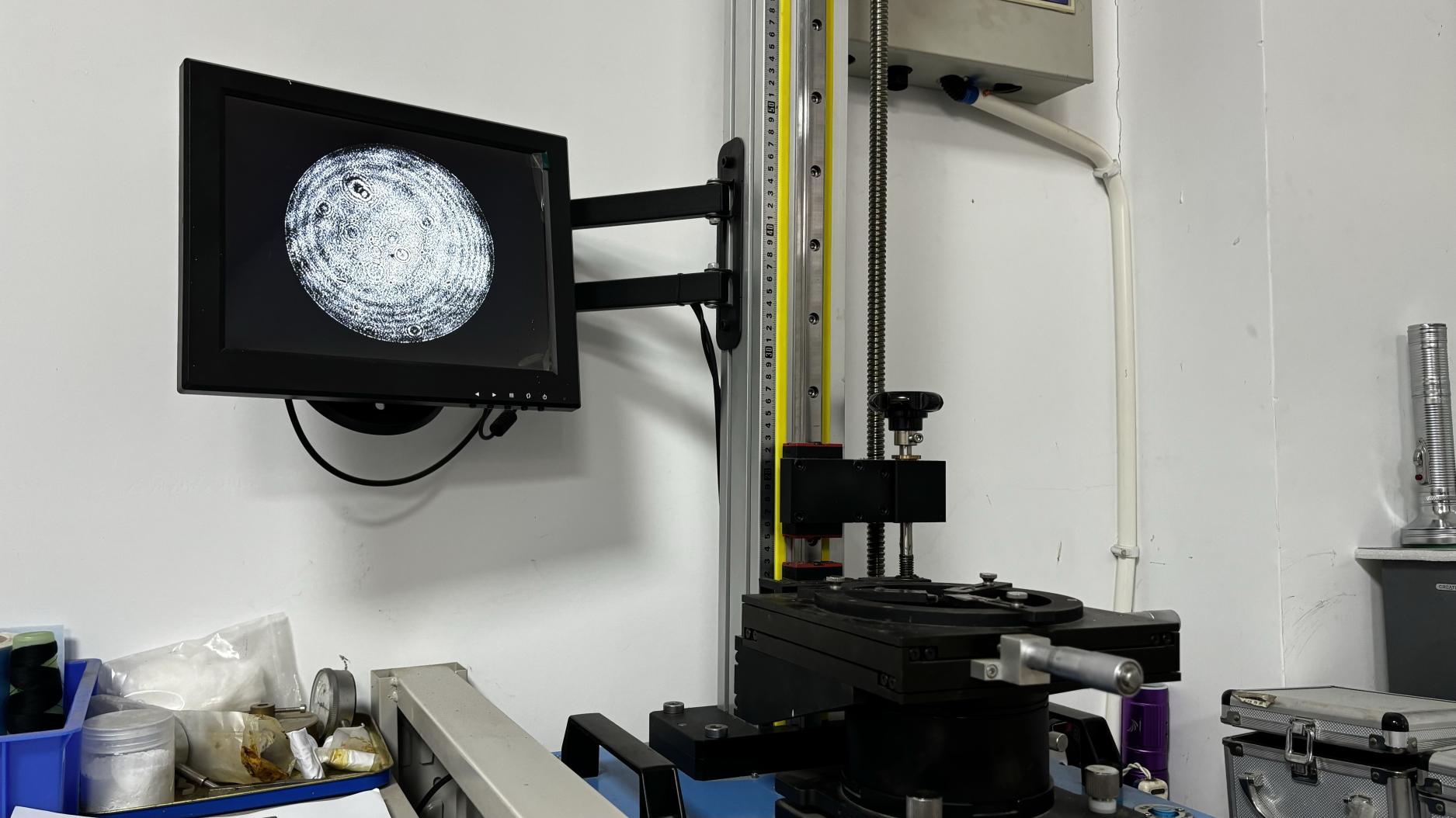
Backed by 8 years of export experience and 12 years of industry expertise, we are committed to delivering innovative products that meet strict international quality standards. Our comprehensive quality management system includes rigorous incoming material inspection, in-process quality control, and final product validation. All finished modules undergo automated functional testing, electrical compatibility verification, thermal stability performance validation, and stress-aging tests before shipment. Our dedicated quality assurance team consists of 46 inspectors who ensure every batch meets strict reliability requirements.
As an integrated manufacturer with strong OEM and ODM capabilities, Xeviora works closely with more than 850 supply chain partners worldwide, enabling efficient raw material sourcing, flexible production runs, and rapid delivery cycles. Our primary customers include global wholesalers, industrial distributors, e-commerce sellers, system builders, brand owners, and medical/enterprise solution providers.
Innovation is at the core of our business. Supported by an experienced R&D team of 128 engineers, we continuously invest in new technologies and product development. Last year alone, we successfully launched 86 new products, covering high-density DDR5/DDR4 gaming modules, industrial-grade memory modules, server cooling solutions, high-frequency PCB systems, and customized optoelectronic control assemblies.
We offer flexible customization services, including private labeling, customized logo printing, customized retail packaging design, technical specification configuration, firmware optimization, and complete OEM/ODM product development. Whether our customers require standard modules or fully customized systems, our team is dedicated to providing reliable products, competitive pricing, and professional technical support.
How localized semiconductor clusters and advanced material logistics lower production costs while maintaining tier-one quality.
By locating packaging and module SMT layout within the same advanced cleanroom cluster, we eliminate standard transit degradation and control trace impedance closely.
Direct partnerships with high-conductivity substrate producers (aluminum core and Taconic PTFE layers) guarantee that heat dissipating structures are optimized from day one.
Using advanced optical integrating spheres and spectrometer arrays, each batch is binned by wavelength, radiant flux, and forward voltage for system reliability.
Exporting deep UV products into the European Economic Area requires strict compliance with specific directives. Below is the framework our products adhere to.
| Directive / Standard | Technical Scope | Compliance Action Required | Xeviora Status |
|---|---|---|---|
| EN 62471:2008 | Photobiological safety of lamps and lamp systems. Focuses on retinal blue-light hazard and skin UV hazard. | Detailed spectroradiometric measurements; categorization under Risk Group 3 (High Risk) with mandated safety labels. | Verified |
| 2014/30/EU (EMC) | Electromagnetic Compatibility Directive ensuring drivers do not emit noise and are immune to interference. | Anechoic chamber testing of driving circuits, low frequency harmonics testing, and transient surge checks. | Verified |
| 2014/35/EU (LVD) | Low Voltage Directive regulating electrical insulation, physical enclosures, and creepage distances. | Dielectric strength testing, high-pot insulation, and flame-retardant evaluation of casing polymers. | Verified |
| 2011/65/EU (RoHS) | Restriction of Hazardous Substances in electrical and electronic equipment (EEE). | Elimination of lead, mercury, hexavalent chromium, and specific phthalates from all soldering and chip substrates. | Verified |
For global system builders in the US, Europe, and Japan, localized technical support is essential. Integrating UVC chips into air handling units or water treatment plants requires precise engineering:
Our engineers collaborate directly with your local mechanical design teams, offering quick SMT prototyping cycles to compress time-to-market.
Large-scale procurement of optical semiconductor components involves significant commercial risks. Buyers must balance the need for low unit costs against the long-term reliability required by end-use environments. A minor shift in packaging moisture-resistance or substrate plating can lead to premature field failure of entire systems.
Xeviora addresses these risks by providing full trace material reporting, including batch-specific spectrum testing reports. We verify that each delivery contains matched-intensity groups, preventing uneven load distribution and hot-spotting across multi-chip arrays. Furthermore, our flexible payment and localized customs support make global delivery efficient and reliable.
From dynamic high-flow water disinfection to clean-room surface sanitation, deep UV provides efficient non-chemical germicidal action.
UVC LEDs provide immediate disinfection in flow-through reactor chambers, ideal for under-sink filters, point-of-use dispensers, and industrial process water systems.
Integrated into automated guided vehicles (AGVs), escalator handrails, medical instruments, and self-service kiosks to sanitize high-touch surfaces between uses.
Placed in central heating, ventilation, and air conditioning ductwork to eliminate airborne pathogens, preventing cross-contamination in modern corporate buildings.
Answers to complex queries regarding driver configurations, thermal budgets, lifespan estimation, and regulatory testing.
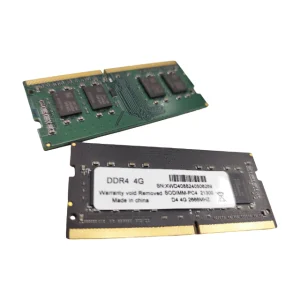
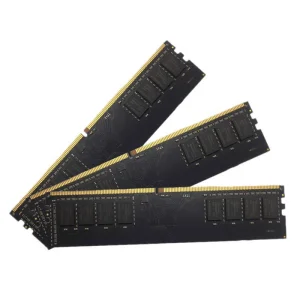
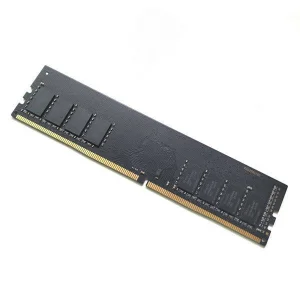
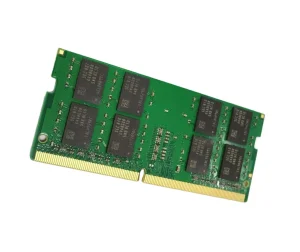
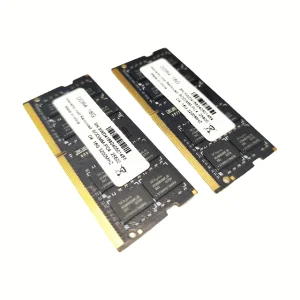
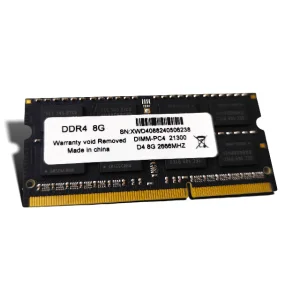
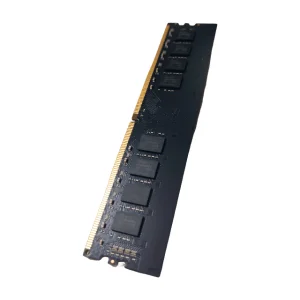
Explore our highly compatible DDR4 memory products, high-frequency PCB systems, and heavy-duty active server cooling solutions.
High-speed precision SMT mounting, chip wire bonding, and automated test arrays inside our cleanroom facility.