Xeviora
Xeviora
Xeviora
Explore our immediate engineering and component portfolios, optimized for low-latency signal integrity, advanced computing hardware, and ruggedized industrial applications.
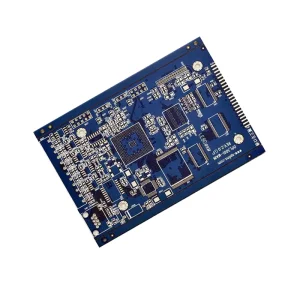
In the modern era of high-speed digital communications, internet-of-things (IoT) expansion, and aerospace automation, the printed circuit board (PCB) remains the fundamental baseline. PCB prototyping acts as the critical bridge between conceptual system design and high-volume product commercialization. Historically, prototyping was confined to simple 2-layer boards with relaxed trace spacing. Today, the global commercial sector demands rapid turnaround of dense multi-layer boards (often exceeding 24 layers), utilizing high-frequency substrates such as Rogers, Megtron 6, and specialized high-Tg FR-4.
As complexity increases, signal integrity (SI) and power integrity (PI) anomalies present severe challenges. High-speed signal interfaces like PCIe Gen 5, DDR5 memory topologies, and 100G Ethernet systems require trace tolerances within ±5% and strict microvia control (including blind, buried, and stacked vias). Without a rigorous prototype phase validated under physical conditions, system designers risk multi-million dollar redesign loops. Prototyping serves as an insurance policy, confirming layout parameters, stackup configurations, and thermal dissipation metrics before scaling production.
Globally, the industrial sectors of Europe, North America, and East Asia exhibit varying demands. European markets heavily emphasize environmental compliance and electromagnetic compatibility, prioritizing safety certifications like CE and UL. In contrast, the Silicon Valley startup ecosystem requires ultra-short turnaround cycles, frequently relying on fast prototype assembly to satisfy venture-backed milestones. Connecting these localized demands requires manufacturers to combine technical mastery with speed.
The global electronics industry depends on China’s manufacturing base, particularly concentrated in the Greater Bay Area. China’s advantages go beyond cheap labor; they lie in complete supply chain integration. In cities like Shenzhen and Huizhou, raw copper-clad laminates (CCL), specialized liquid photoimageable (LPI) solder masks, chemical plating agents, and advanced laser drilling equipment are sourced within a 10-mile radius.
For PCB prototyping, this dense regional clustering enables turnaround times that are difficult to match elsewhere. A multi-layer design submitted to a China-based factory at 6:00 PM EST can begin production within two hours, utilizing automated CAM file review algorithms. The board is fabricated, drill-verified, solder-masked, surface-finished with ENIG (Electromess Nickel Immersion Gold), and prepared for air shipment within 24 to 48 hours.
Automated visual inspection (AOI) and X-ray systems inspect sub-01005 passives and 0.3mm pitch BGAs to ensure trace placement precision.
Rigorous verification paths ensure all substrate trace materials, surface finishes, and soldering flux conform with CE, REACH, and RoHS directives.
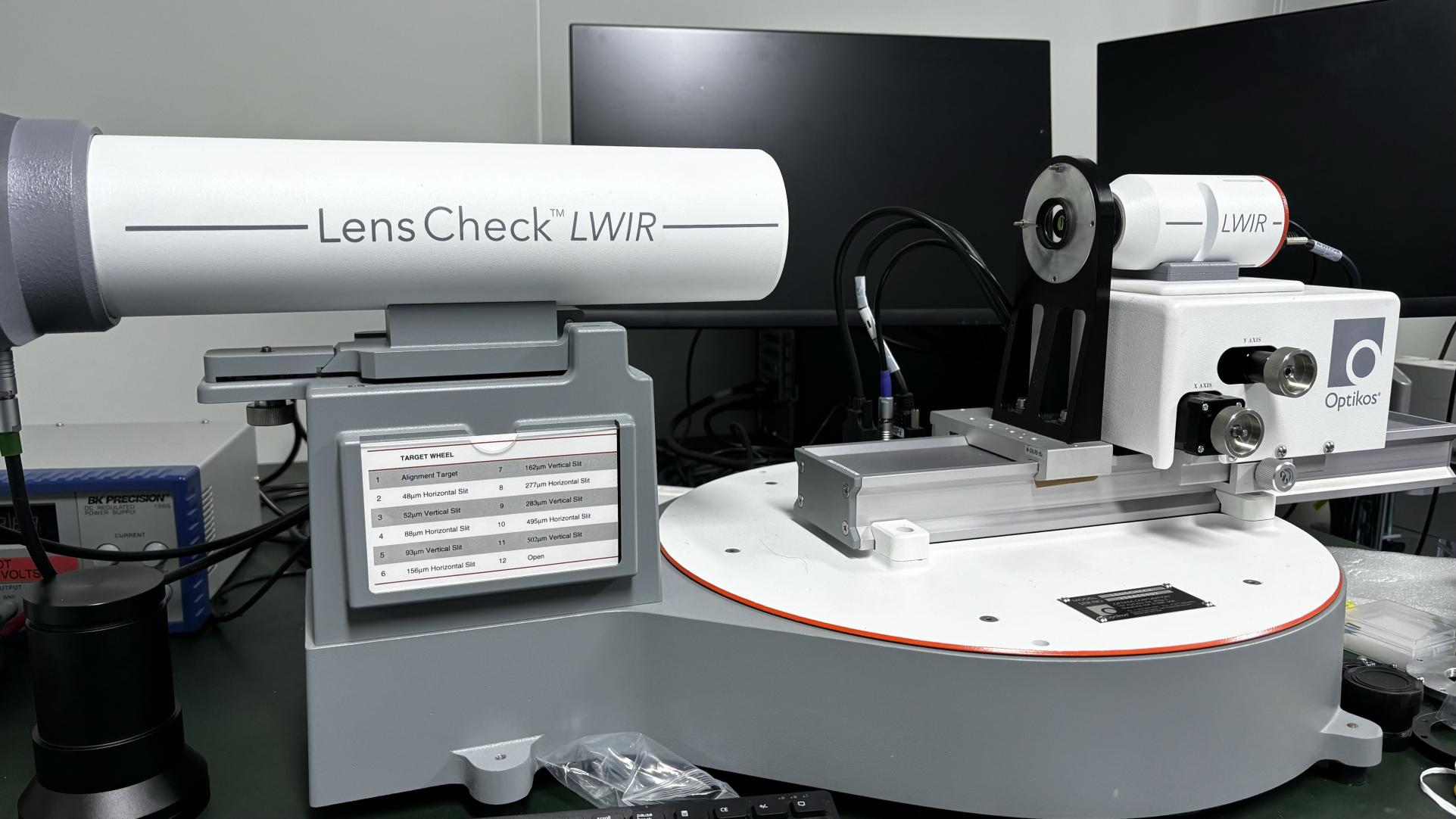
In-house testing features flying probe tests, time-domain reflectometry (TDR) for impedance control, and automated optical validation.
Furthermore, the alignment of bare-board fabrication with in-house surface mount technology (SMT) assembly pipelines eliminates logistical delays. Instead of shipping PCBs to third-party component stuffers, integrated manufacturers manage component sourcing, stencil design, surface mounting, reflow profiling, and final compliance testing under one roof. This minimizes handling risks and coordinates technical alignment between board designers and assembly floor operators.
Different industries require specific PCB solutions, demanding specialized material profiles and fabrication standards.
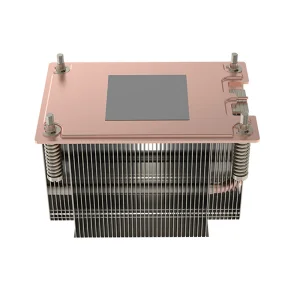
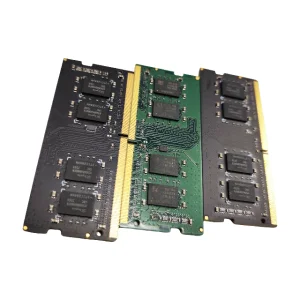
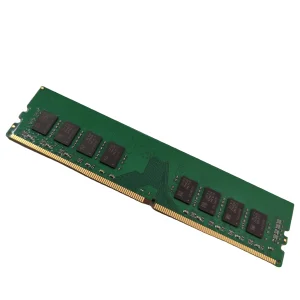
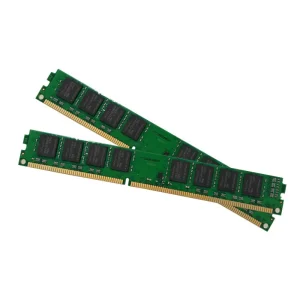
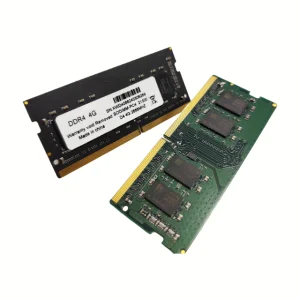
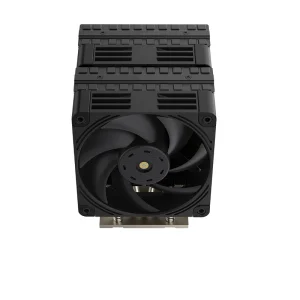
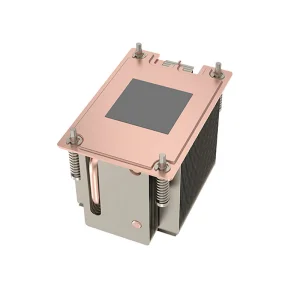
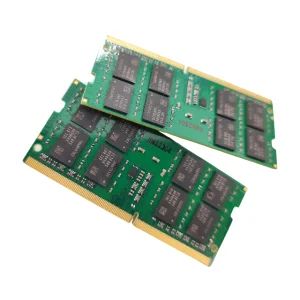
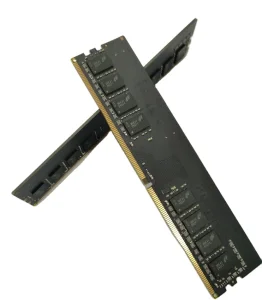
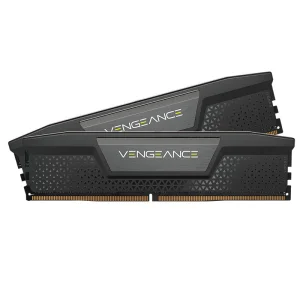
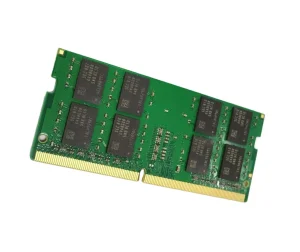
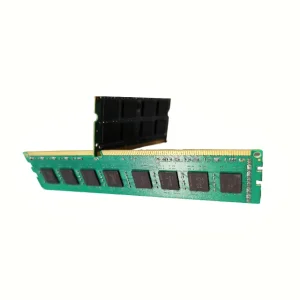
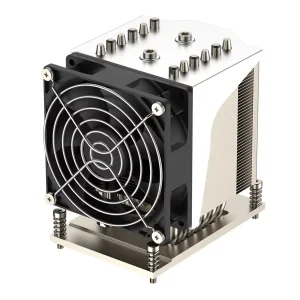
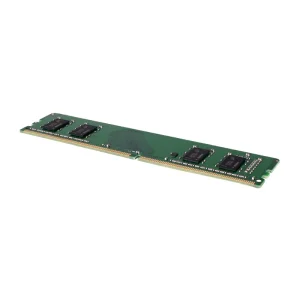
High-speed computational engines require multi-layer PCBs with low-loss dielectric constants to control signal degradation. Designing PCBs for high-performance RAM solutions, including DDR5 and DDR4 memory modules, requires tight impedance control (usually 40-50 ohms single-ended and 80-90 ohms differential). Integrating passive VC3 vapor chambers and server heat sinks into these dense architectures requires thermal layout designs that handle high temperatures without delaminating.
Specialized devices like gold metal detectors and geophysical scanners require low-noise analog signal channels. The PCB assembly (PCBA) must limit parasitic capacitance and crosstalk. This requires isolation traces, solid reference ground planes, and specialized surface finishes (like Immersion Silver or ENIG) to maintain signal integrity for micro-volt level signals.
Power distribution and industrial automation boards handle high currents and elevated voltages. The prototyping process must utilize heavy copper foils (3oz to 6oz) to limit thermal stress. Furthermore, these designs must meet CE standards, ensuring safety clearances and creepage distances to prevent electrical arcing in challenging factory environments.
Representing the core manufacturing capability of this industrial ecosystem, Xeviora Memory Technology (China) Co., Ltd. is a professional DDR5 memory manufacturer and supplier based in China, specializing in high-performance RAM solutions for gaming, industrial, enterprise, and consumer applications. Established in 2017, the company has rapidly grown into a trusted OEM and ODM partner for global distributors, system integrators, and technology brands.
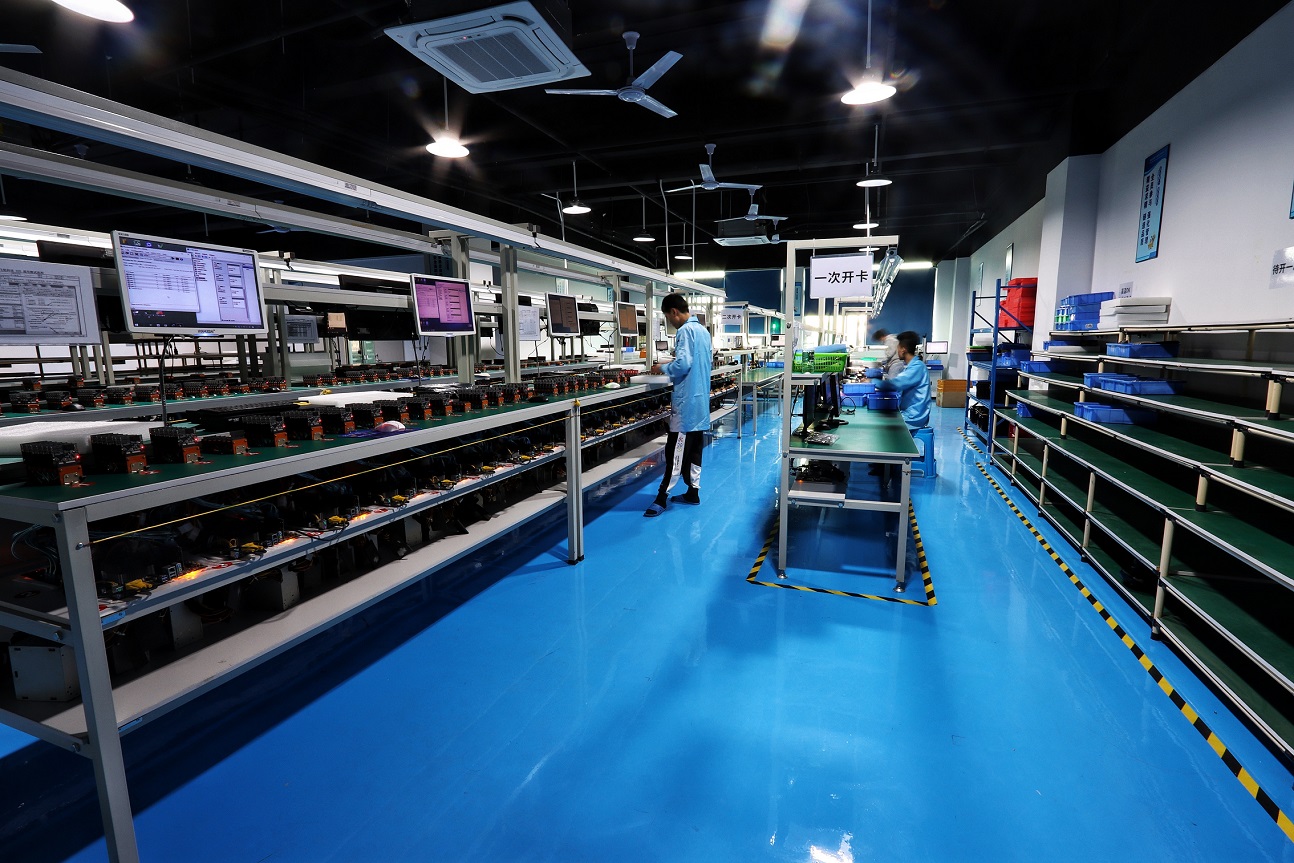
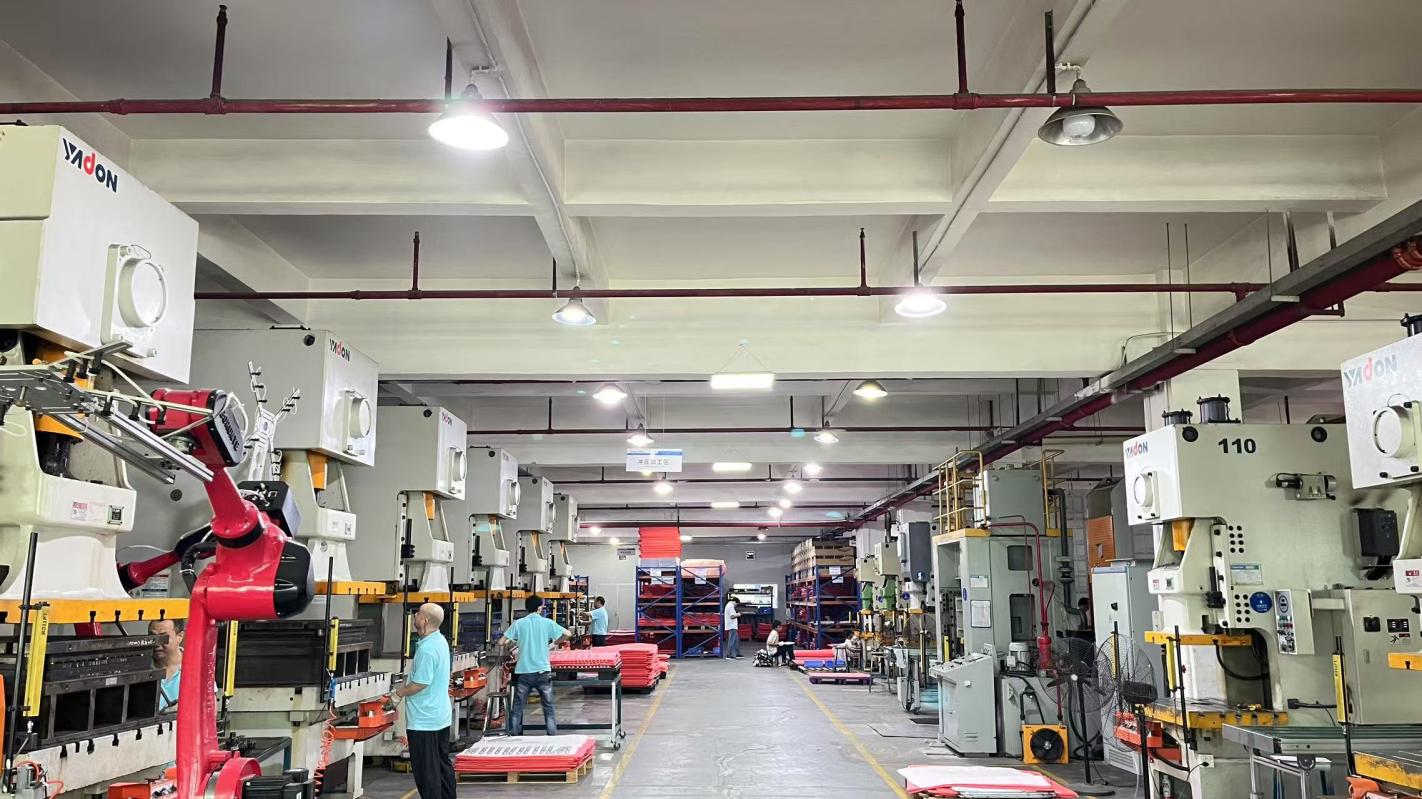
Our manufacturing facility covers 368 square meters and is equipped with advanced production and testing equipment to ensure stable quality and reliable performance. With an annual export revenue of over USD 18 million, Xeviora serves customers across North America, Europe, Southeast Asia, the Middle East, and South America.
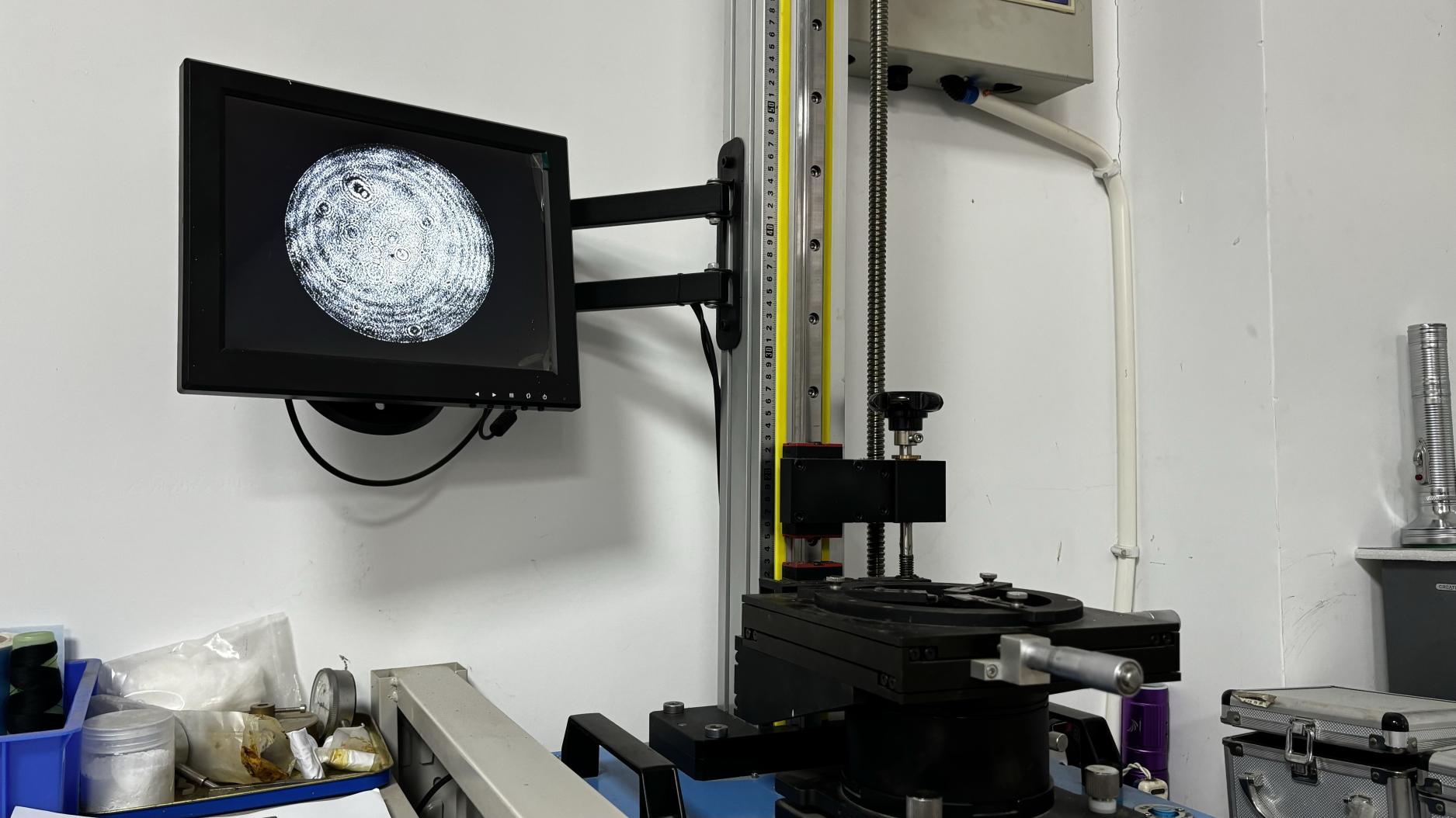
Backed by 8 years of export experience and 12 years of industry expertise, we are committed to delivering innovative memory products that meet international quality standards. Our quality management system includes comprehensive incoming material inspection, in-process quality control, and final product testing. All products undergo automated functional testing, compatibility verification, performance validation, and aging tests before shipment. Our quality assurance team consists of 46 dedicated inspectors who ensure every module meets strict reliability requirements.
As a manufacturer with strong OEM and ODM capabilities, Xeviora works closely with more than 850 supply chain partners worldwide, enabling efficient sourcing, flexible production, and fast delivery. Our primary customers include wholesalers, distributors, e-commerce sellers, system builders, brand owners, and enterprise solution providers.
Innovation is at the core of our business. Supported by an experienced R&D team of 128 engineers, we continuously invest in new technologies and product development. Last year alone, we successfully launched 86 new memory products covering DDR5 gaming memory, industrial-grade memory modules, server memory solutions, and customized storage products.
We offer flexible customization services, including private labeling, logo printing, packaging design, specification customization, firmware optimization, and complete OEM/ODM development. Whether customers require standard memory modules or fully customized solutions, our team is dedicated to providing reliable products, competitive pricing, and professional technical support. At Xeviora, our mission is to empower global customers with advanced memory technology, dependable manufacturing, and long-term business partnerships built on quality, innovation, and trust.
The PCB prototyping and assembly sector is shifting toward smaller, faster, and more thermal-efficient configurations. Key trends include the adoption of Every Layer Interconnect (ELIC) architectures, which allow stacked microvias throughout the board structure to support ultra-dense layouts. Additionally, embedded components, such as mounting capacitors and resistors inside the substrate core, help minimize surface footprint and control EMI.
From a procurement standpoint, sourcing teams are transitioning from fragmented supply chains to vertically integrated partners. Selecting a supplier capable of handling both PCB prototyping and final SMT component placement helps reduce schedule risks, clarify engineering accountability, and ensure compliance with environmental and electrical certifications like CE and UL.
CE certification indicates that the PCB assembly complies with the European Union's safety, health, and environmental protection standards. It ensures the product meets Electromagnetic Compatibility (EMC) regulations, operates safely under designated voltages (Low Voltage Directive), and restricts hazardous substances under the RoHS directive.
We utilize polar impedance design software (such as Polar Instruments Speedstack) to calculate trace dimensions and dielectrics based on substrate materials. Our manufacturing process verifies these trace geometries using Time-Domain Reflectometry (TDR) test coupons during panel fabrication to ensure final tolerances are within ±5% to ±10%.
Yes, our automated SMT placement lines feature high-accuracy pick-and-place systems capable of handling BGAs down to 0.3mm pitch. We verify solder joint quality and structural alignment using automated 3D X-ray inspection (AXI) to identify hidden voids or bridges.
For standard FR-4 6-layer boards, our quick-turn prototyping option supports bare board fabrication within 48 hours. If turnkey SMT assembly is selected, the lead time ranges from 3 to 7 days, depending on component availability and layout complexity.
Yes, our engineering team performs a complete DFM check on every Gerber file package before manufacturing begins. This includes verifying trace width/spacing, annular ring clearance, drill-to-copper distances, and solder mask coverage to prevent production delays.
We operate modern fabrication and assembly lines. Our cleanrooms feature automated solder paste printers, pick-and-place equipment, and multi-zone reflow ovens. This setup maintains consistent quality control across all prototyping runs.

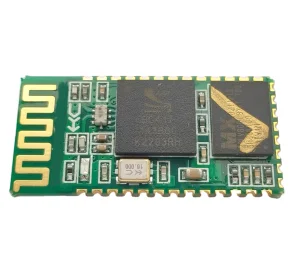
Below is our catalog of RAM modules and high-capacity thermal dissipation solutions designed for server platforms and high-speed industrial hardware.