Xeviora
Xeviora
Xeviora
Industrial-grade cooling architectures, PCBA solutions, and memory engines driving modern CE certified digital visualization systems.
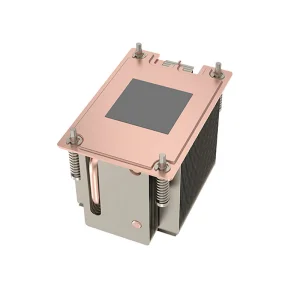
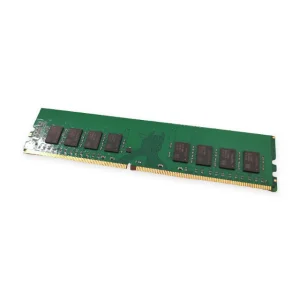
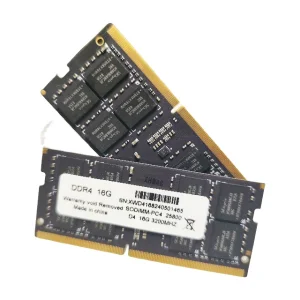
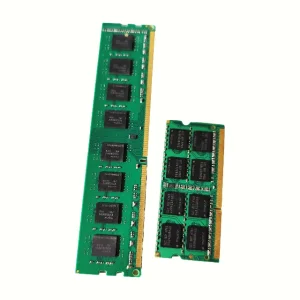
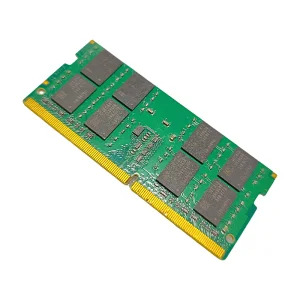
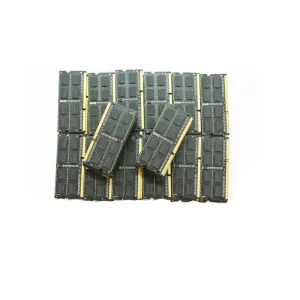
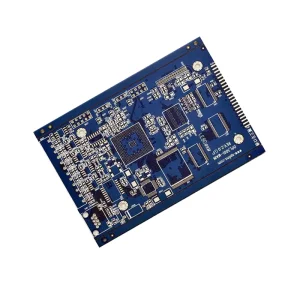
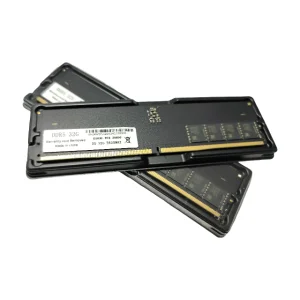
In the modern digital landscape, the efficiency and lifespan of a commercial LED screen depend directly on the structural reliability of its core electronic units. Xeviora Memory Technology (China) Co., Ltd. stands as a key partner for organizations requiring robust OEM/ODM services in the micro-electronics sector, providing the foundational components—from high-bandwidth DDR memory buffers and high-frequency printed circuit boards (PCBs) to heat dissipation mechanisms—that power CE-certified visual architectures worldwide.
Established in 2017, Xeviora has evolved from a specialized memory developer into a integrated systems facilitator. Operating a refined clean-room facility designed for precision component assembly, we deliver performance-oriented system components. Our annual exports exceed USD 18 million, reflecting our commitment to the strict hardware demands of system builders, digital-out-of-home (DOOH) installers, and control room designers across Europe, North America, and Southeast Asia.
"A certified LED display system is only as reliable as its driver controllers and processing units. Standard LED assemblies fail under continuous operation due to component overheating or signal lag. Integrating server-grade PCBA boards, targeted heat pipes, and high-frequency memory modules ensures long-term operational stability."
Xeviora integrates specialized quality control measures at every stage of the production cycle:
China's manufacturing infrastructure offers distinct strategic benefits for the supply of high-end visual systems and control components.
The concentration of raw material refinement, diode packaging factories, specialized SMT houses, and controller designers within the Pearl River Delta enables quick turnaround times. We source drivers, passive electronics, and thermal metals locally, reducing production lead times.
Xeviora applies rigorous design principles to conform to European market standards. From EMC (Electromagnetic Compatibility Directive 2014/30/EU) to LVD (Low Voltage Directive 2014/35/EU), our internal processes focus on minimizing RF interference and optimizing power efficiency.
With an experienced R&D division of 128 engineers, we assist enterprise clients with quick design cycles. Last year, we introduced 86 specialized memory and control module iterations, demonstrating our ability to adjust to shifting industry requirements.
We deploy dual-layer inspection methodologies: automated optical inspection (AOI) during SMT assembly, followed by functional verification and high-temperature aging chambers. Our 46 QA inspectors ensure that no defective components exit our facility.
The industry is moving toward narrower pixel pitches, demanding higher computing power and improved thermal control at the module level.
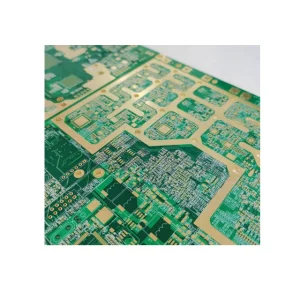
As the market transitions from Surface Mount Device (SMD) packaging to Chip-on-Board (COB) and MicroLED configurations, pixel pitches fall below P0.9. These compact pixel arrays require higher density driver designs and multi-layer high-frequency PCB backplanes to maintain signal integrity.
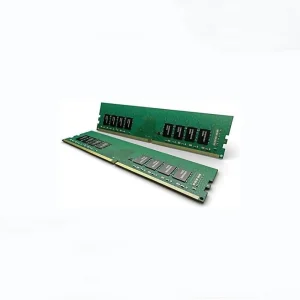
Additionally, processing high-frame-rate inputs (such as 120fps virtual production and 3D visual setups) requires substantial data buffers. The integration of high-bandwidth memory chips on the receiving card becomes a key design factor. At Xeviora, we apply our experience in developing desktop and enterprise DDR solutions to design integrated control architectures that minimize frame drop and visual tearing.
Custom display infrastructure designed for demanding environments, supported by Xeviora's engineering capabilities.
Control rooms require constant uptime and visual uniformity. By pairing high-speed DDR4/DDR5 frame buffers with multi-layer high-frequency PCBs, we create receiver controllers that support continuous operation. Thermal monitoring ensures stable operation under varying conditions.
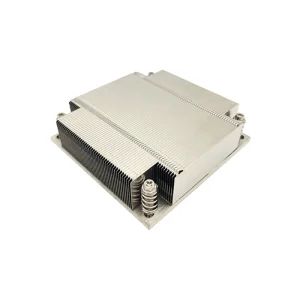
Outdoor displays face environmental stresses like moisture and heat. Our solutions utilize heavy-duty protective PCB coatings and aluminum plate heat sinks to protect electronic components from thermal degradation, maintaining stable performance in outdoor environments.
Modern film studios require LED volumes with high gray-scale fidelity, high refresh rates (up to 7680Hz), and low camera latency. Xeviora's high-performance memory modules optimize processing speed within the video processing loop, helping to align camera shutters with display updates.
For fine-pitch indoor displays, aesthetics and slim profiles are important. Our integrated SMT PCBA designs combine control chips, power routing, and memory buffers into a compact footprint, allowing for thin LED tile designs.
Our testing framework ensures that every component shipped meets international performance standards.
Xeviora operates a structured testing cycle to verify mechanical and electrical stability. Prior to dispatch, each production batch undergoes:
All test logs are archived, providing traceability for global procurement managers during system deployment.
Our components are built to satisfy international regulatory frameworks, facilitating easier system integration and approval:
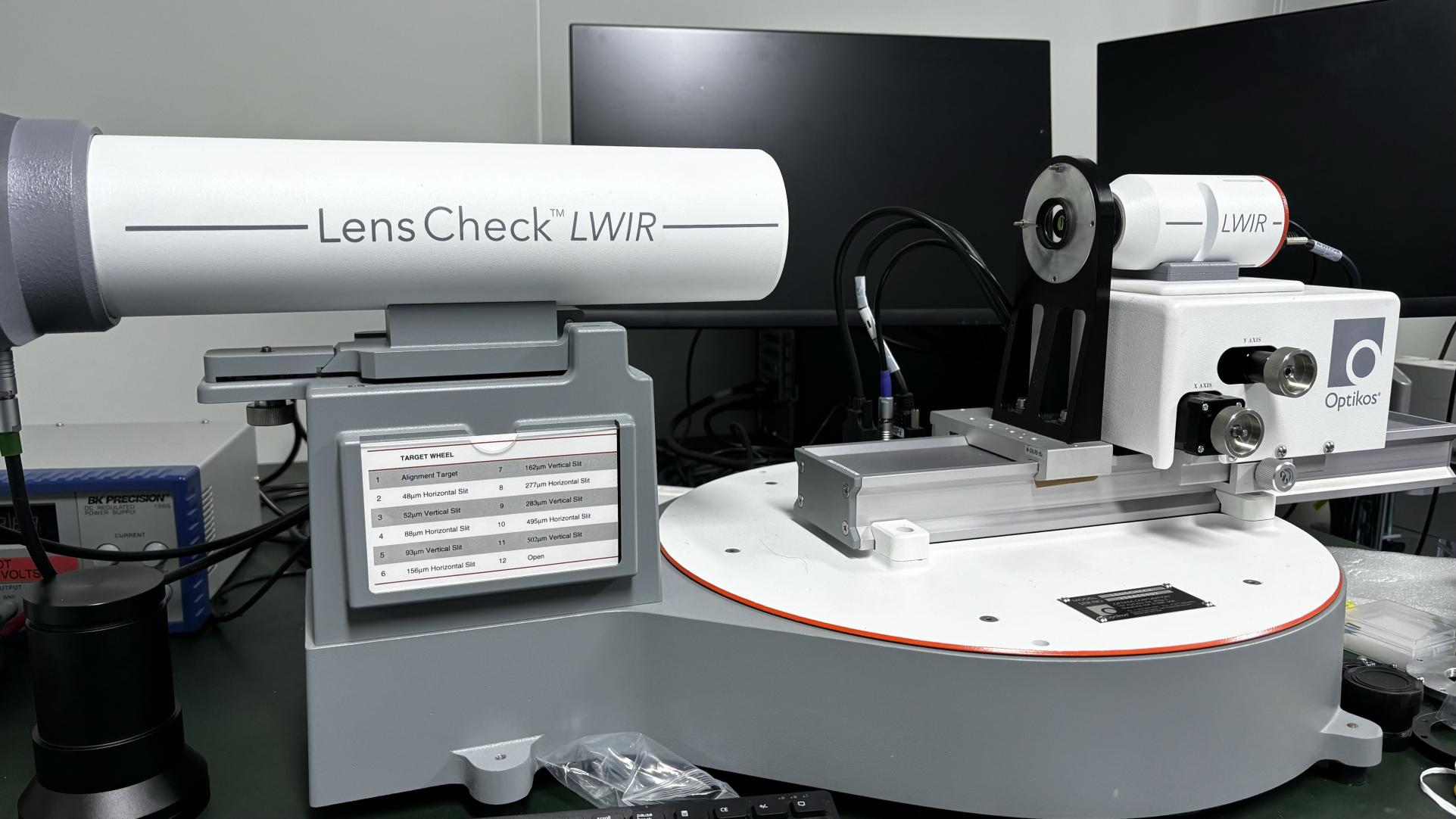
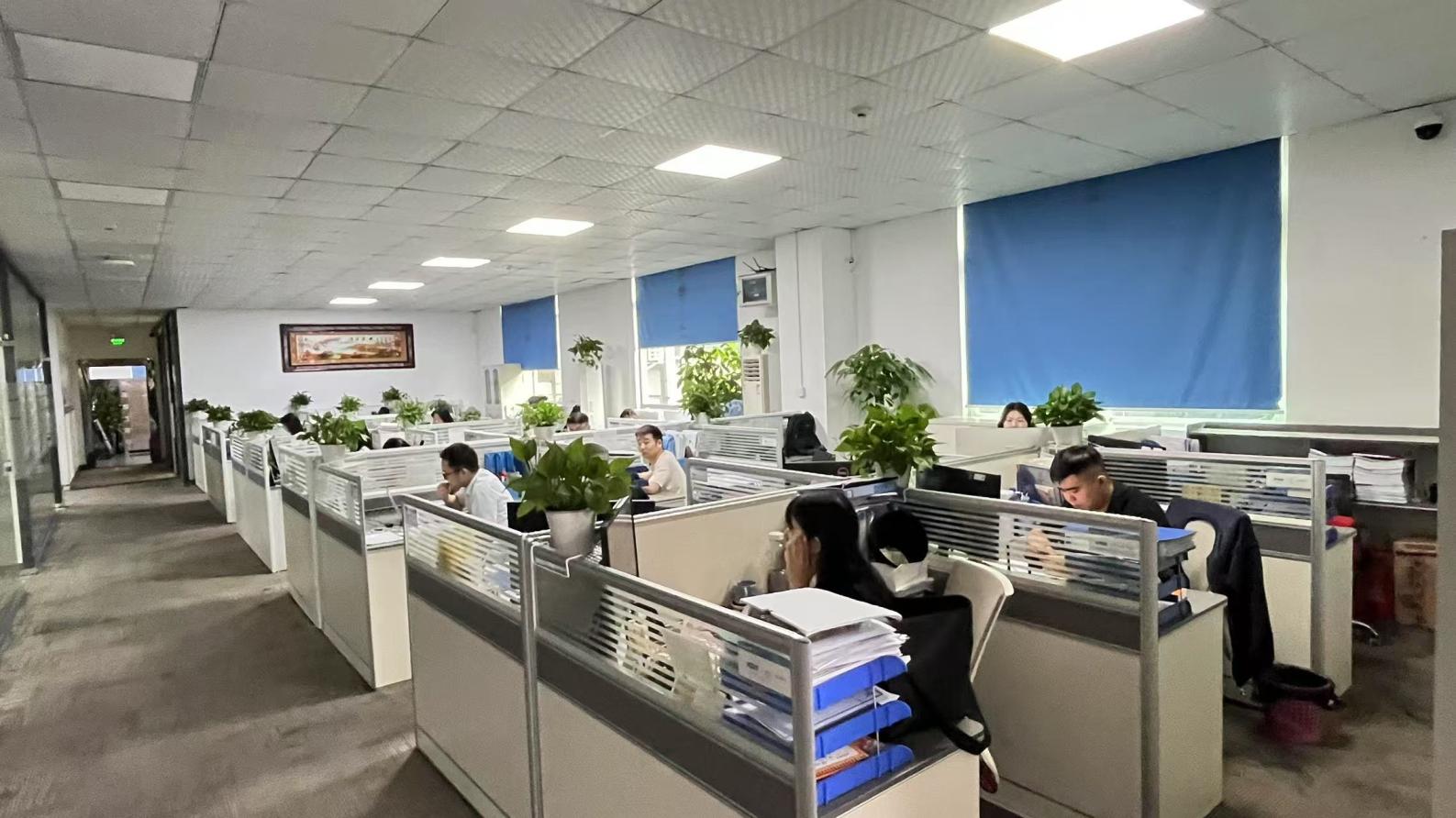
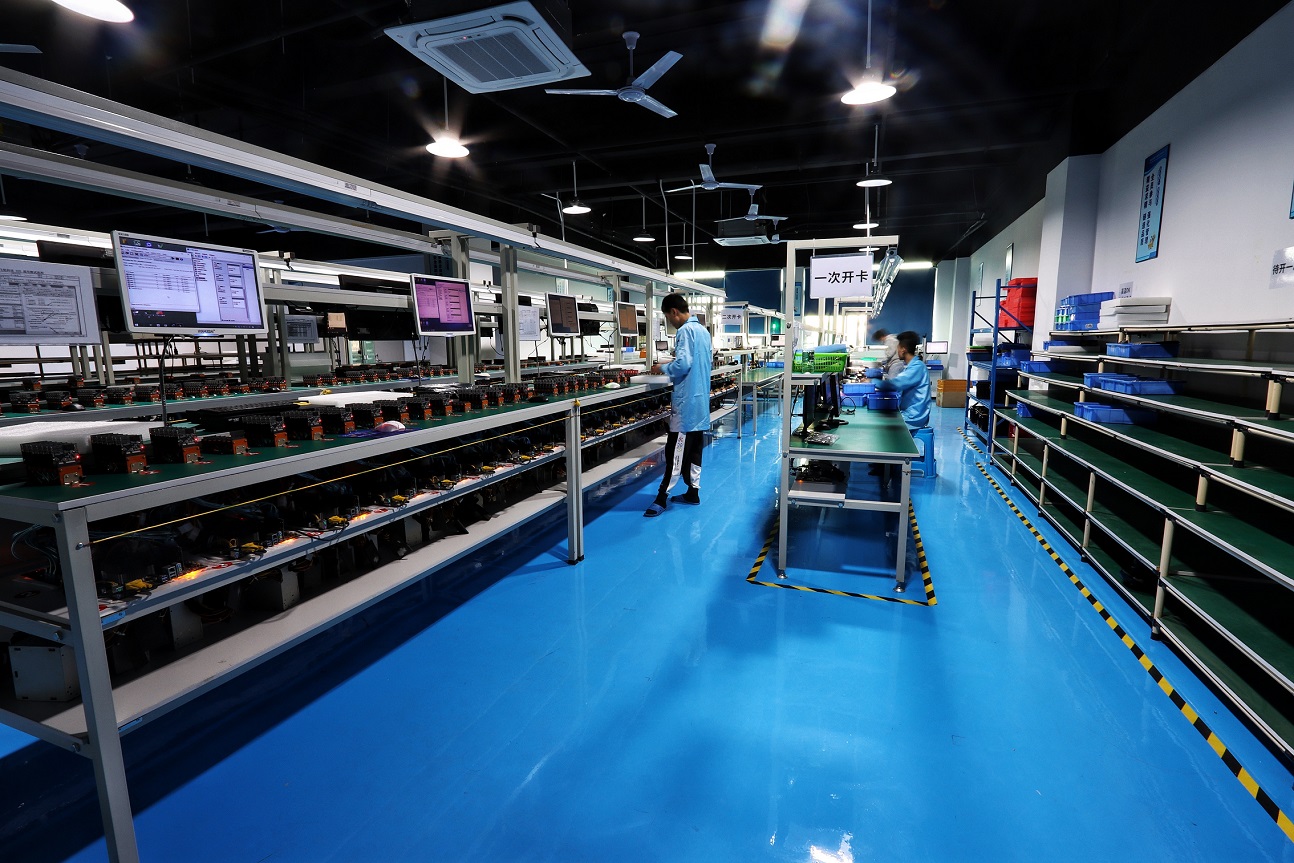
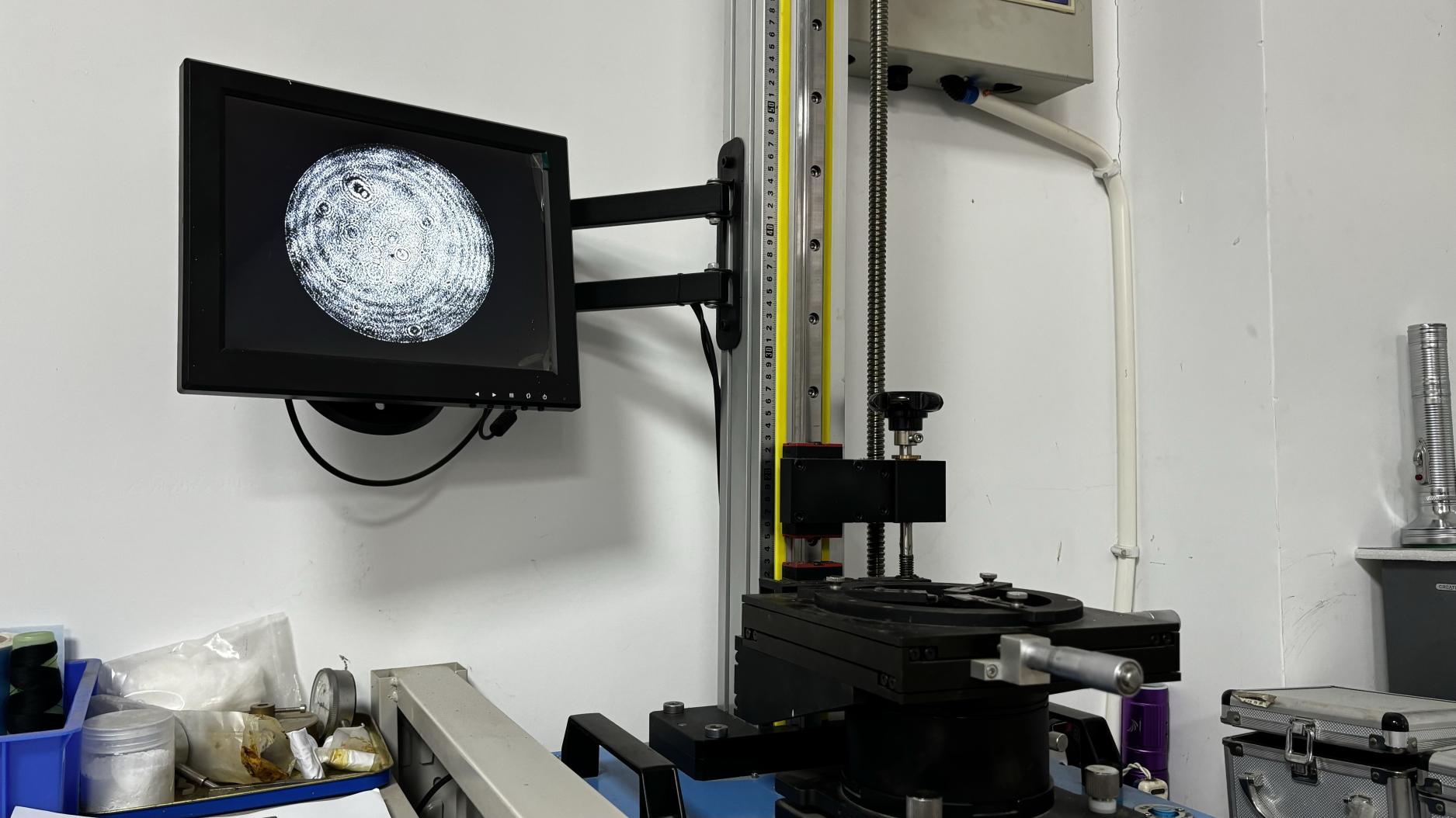
A look at the assembly lines and testing facilities driving Xeviora's production output.
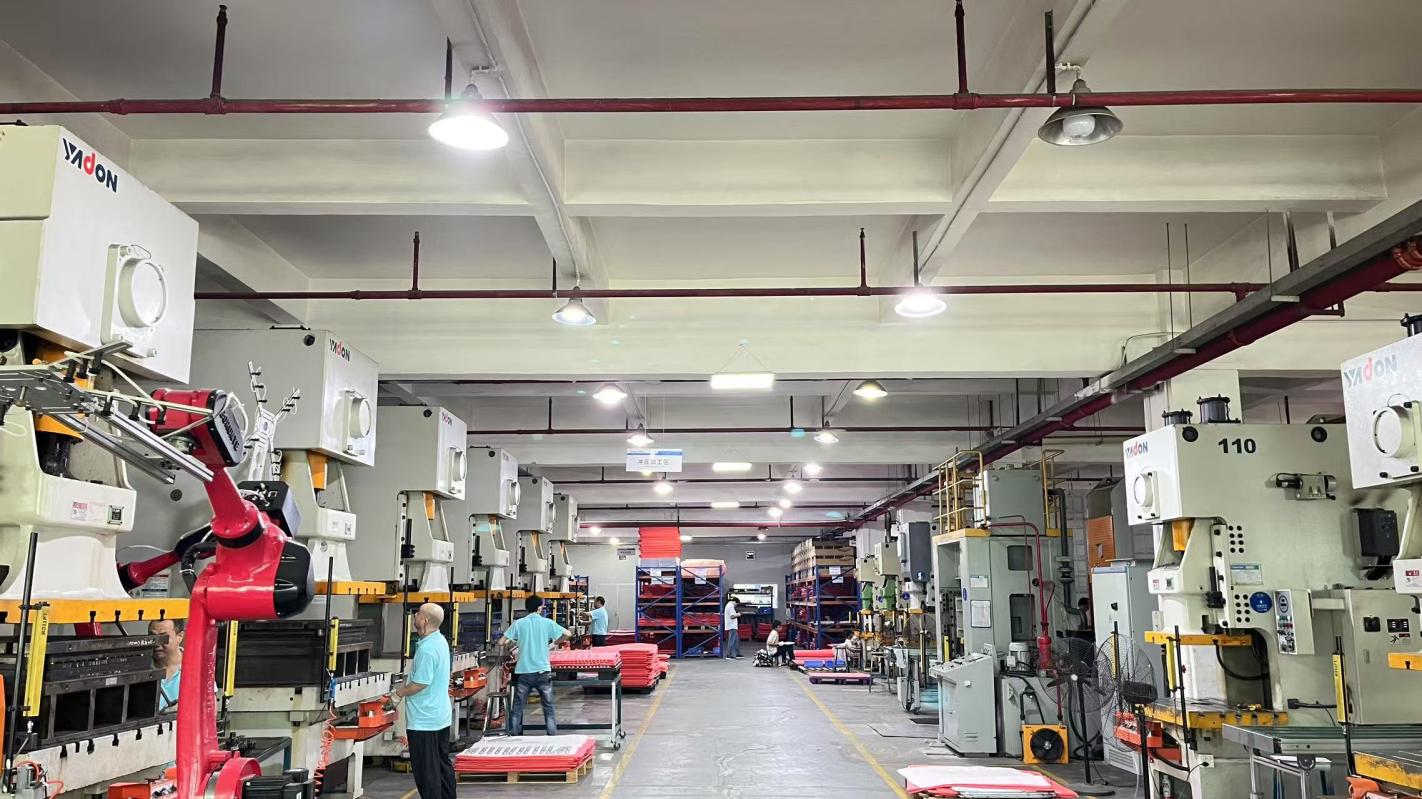
Answers to common technical questions raised by engineering teams and procurement specialists.
At high refresh rates (such as 3840Hz or 7680Hz) combined with 16-bit color depth, the video processor must push large amounts of data to the driver ICs. Standard buffer memory can become a bottleneck, leading to skipped frames or flickering. Using high-bandwidth memory, such as DDR4 or DDR5 modules, ensures the receiver cards maintain a stable stream of frame data, preventing visual artifacts during high-speed camera tracking.
CE certification confirms that a display system complies with European standards for safety and health protection. The electromagnetic compatibility (EMC) directive is particularly important, as large LED arrays can emit radio frequency interference if not shielded and grounded correctly. CE-marked systems use high-quality PCBs and power supplies designed to minimize electrical emissions and ensure reliable long-term operation.
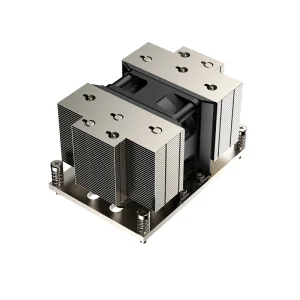
Diodes of different colors (red, green, blue) respond differently to temperature changes. Red diodes, for example, tend to lose efficiency faster than blue and green ones as temperatures rise. If a display lacks proper thermal management, hot spots can develop, leading to noticeable color shifts. Integrating custom heat sinks and aluminum plate dissipators keeps operating temperatures uniform, helping preserve color balance across the screen.
Rogers boards offer low dielectric loss and high signal stability at very high frequencies, making them suitable for critical, high-speed data links. Shengyi FR4 TG170 boards provide a balance of performance and cost-effectiveness, with good resistance to thermal stress and mechanical warping. We often combine both materials in mixed-dielectric boards to balance performance and cost for demanding installations.
Our quality assurance process spans from incoming material inspection to automated optical inspection during assembly, followed by functional verification and burn-in testing in climate-controlled chambers. Guided by 46 QA inspectors, we trace each batch of PCBs, memory modules, and heat sinks to ensure compliance with our customers' technical specifications before shipping.
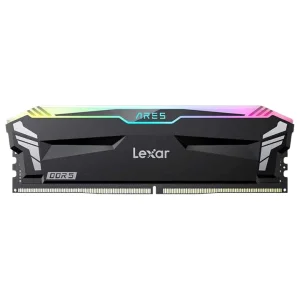
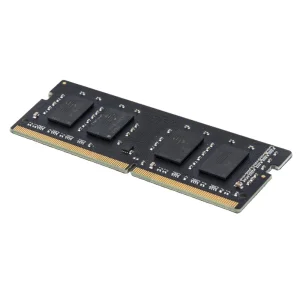
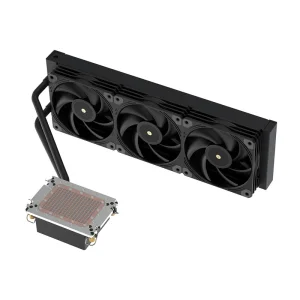
High-frequency backplanes, active server-grade cooling systems, and DDR5 performance modules for commercial visual networks.