Registered DIMM vs UDIMM Which Memory Module is Right for You?

Time:2026-08-27 Author:Amelia
0%

When it comes to choosing the right memory module for your system, the debate of Registered DIMM vs UDIMM is crucial. Each type has unique features and benefits that can significantly impact performance and stability. Registered DIMMs offer enhanced reliability, making them ideal for servers and workstations. They use a register to buffer control signals, which allows for better scalability in larger memory configurations.

On the other hand, UDIMMs are commonly found in consumer-grade PCs and laptops. They provide direct access to the memory controller, resulting in lower latency and faster speeds for everyday tasks. This makes UDIMMs a preferred choice for gamers and general users. However, they may struggle with stability in high-demand applications.

Ultimately, the decision between Registered DIMM vs UDIMM depends on your specific needs. Assessing your computing requirements is essential before making a choice. Some users might reflect on their previous experiences with memory modules, realizing that a deeper understanding can enhance their system's performance. Each module's design can lead to different outcomes, and weighing the pros and cons is vital for an informed decision. Choosing wisely can pave the way for optimal system functionality.
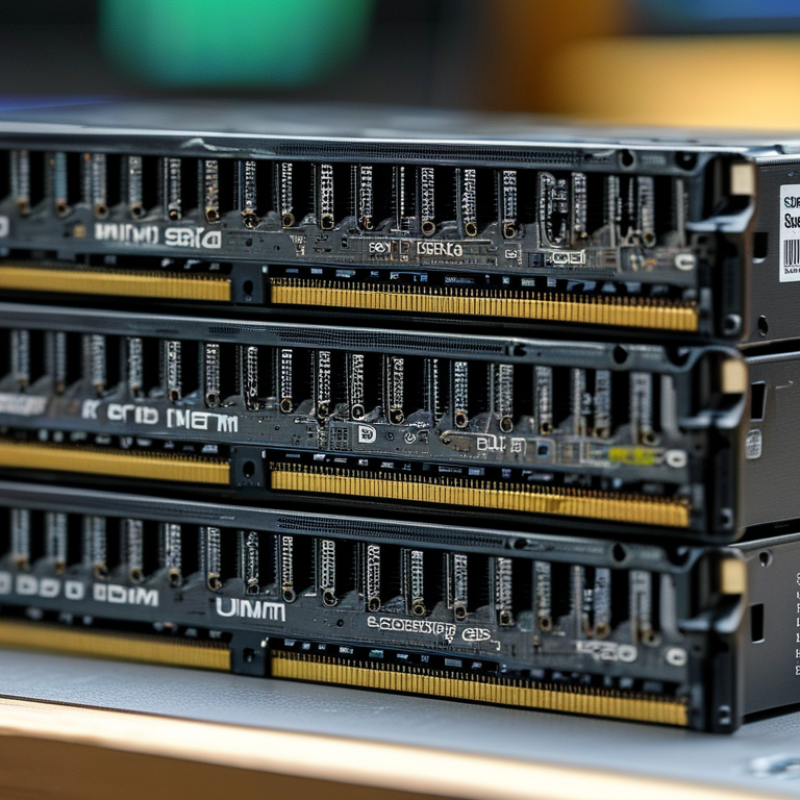
Registered DIMM vs UDIMM Which Memory Module is Right for You?

Understanding the Basics: What Are Registered DIMMs and UDIMMs?

When it comes to memory modules, understanding the difference between Registered DIMMs and UDIMMs is crucial for system performance. Registered DIMMs are equipped with a register that buffers the control signals from the memory controller. This buffering allows systems to support larger amounts of RAM, making them ideal for servers and workstations that require high memory capacity. According to industry reports, Registered DIMMs can support up to 512GB of memory, compared to UDIMMs, which typically support around 64GB. This additional buffer also helps improve stability for heavily loaded systems.

On the other hand, UDIMMs are unbuffered and provide direct communication between the memory controller and the RAM sticks. This results in slightly lower latency, making UDIMMs suitable for consumer-level PCs and gaming systems. A technical breakdown shows that UDIMMs operate at a higher speed, which appeals to those seeking peak performance in gaming or multimedia applications. However, they can be limited in scalability.

Considering your specific needs is vital. If your focus is on memory capacity and system stability, Registered DIMMs are the way to go. For gamers or general users seeking affordability and speed, UDIMMs offer great performance. Assess your current and future memory needs carefully to choose the right memory module.

Key Differences Between Registered DIMMs and UDIMMs Explained

When choosing between registered DIMMs (RDIMMs) and unbuffered DIMMs (UDIMMs), understanding their differences is crucial. RDIMMs are equipped with a register that buffers the memory signals. This feature allows for enhanced stability and scalability. They are particularly suitable for servers and workstations that require high memory capacities. UDIMMs, on the other hand, do not utilize this buffer. This absence results in lower latency and faster speeds, making them ideal for consumer desktops.

Capacity and performance are key factors when selecting between the two. RDIMMs typically support larger capacities per module, accommodating systems with significant memory demands. This is vital for tasks like data analysis and virtualization. UDIMMs shine in applications where speed is prioritized. However, one must consider their maximum limits, as UDIMMs are generally less scalable compared to their registered counterparts.

Your specific use case matters. If you are building a robust server, RDIMMs may be the preferable choice. For regular home usage, UDIMMs might suffice. Look into your requirements carefully. Balancing cost, speed, and capacity can lead to better performance for your specific applications. Always reflect on your long-term needs to avoid unnecessary upgrades in the future.

Registered DIMM vs UDIMM: Key Differences

Feature Registered DIMM (RDIMM) Unbuffered DIMM (UDIMM)
Memory Buffer Contains a buffer to reduce the load on the memory controller Directly connects to the memory controller without a buffer
Capacity Generally supports larger capacities (up to 64GB or more per module) Typically limited to smaller capacities (up to 16GB or 32GB per module)
Performance Higher latency due to buffering, but better for stability in large configurations Lower latency, suitable for standard consumer applications
Application Ideal for servers and workstation environments Best for desktops and laptops
Cost Normally more expensive due to advanced features More affordable and cost-effective for general use

When to Choose Registered DIMMs for Your System

When it comes to memory modules, choosing between Registered DIMMs and UDIMMs is crucial. Registered DIMMs are often favored in server environments. They provide greater stability and support for higher memory capacities. This makes them ideal for systems running demanding applications or multiple virtual machines.

Registered DIMMs work by using a register that buffers the control lines. This reduces the electrical load on the memory controller. As a result, it allows for more memory modules to be used in a system. However, they can introduce a slight latency compared to UDIMMs. If your applications can tolerate this delay, the added stability may be worth it.

For systems that need high capacity and reliability, Registered DIMMs are often the better choice. Still, consider the trade-offs. They require a compatible motherboard and may be more expensive. Evaluate your specific needs before committing to one type.

If you're building a system primarily for gaming or basic tasks, UDIMMs might be enough. They tend to be less expensive and offer faster access times. Assess your workloads carefully. Sometimes, a mixed approach might be the solution, using Registered DIMMs for critical applications and UDIMMs for less demanding tasks.

Registered DIMM vs UDIMM: Performance Comparison

This chart compares the performance metrics of Registered DIMMs and UDIMMs across various parameters such as Capacity (GB), Latency (ns), and Bandwidth (GB/s).

When to Choose UDIMMs for Your Needs

When considering memory modules, UDIMMs can be an excellent choice for many users. These unbuffered dual in-line memory modules are typically easier to install. They are often found in consumer desktops and laptops. If you're building a standard workstation or gaming rig, UDIMMs offer the performance you need without the added complexity of registered DIMMs.

However, UDIMMs are not without limitations. They can face stability issues when used in high-capacity configurations. This could be a concern for users who run memory-intensive applications like video editing software or database management systems. If you frequently push your system to its limits, experimenting with UDIMMs might not yield the best results.

Tips for selecting UDIMMs include checking compatibility with your motherboard. Not all systems accept UDIMMs, so consult your motherboard's manual. Additionally, consider the speed and capacity that fits your usage. If unsure, leveraging forums and tech communities can provide insights and experiences from other users that help refine your choice. Remember, even though UDIMMs are cost-effective, ensuring they meet your specific demands is essential for optimal performance.

Performance Considerations: Registered DIMMs vs. UDIMMs

When choosing between Registered DIMMs and UDIMMs, understanding their performance is crucial. Registered DIMMs offer a more stable and reliable operation, especially in server environments. They have a register that allows them to manage memory more effectively, which is vital for handling large amounts of data. This feature aids in reducing the electrical load on the memory controller, allowing for better performance in multi-channel configurations.

On the other hand, UDIMMs are simpler and usually faster in consumer applications. They are designed for desktops and personal computers, providing lower latency. This can be beneficial for gaming or tasks that require quick memory access. However, they lack the ability to support as much memory as Registered DIMMs, which might limit performance in heavy workloads.

Ultimately, the choice between these modules should be based on specific needs. Registered DIMMs are better for large-scale servers, while UDIMMs excel in standard computing. Evaluating workload requirements and hardware compatibility can lead to better performance outcomes. It's essential to reflect on these factors when making your decision.

FAQS

: What are the main differences between RDIMMs and UDIMMs?

: RDIMMs use a register for buffering, enhancing stability and scalability. UDIMMs do not, offering lower latency and faster speeds.

When should I choose RDIMMs for my system?

Opt for RDIMMs if you require high capacity and reliability, especially for servers or demanding applications.

Are UDIMMs suitable for gaming?

Yes, UDIMMs are often sufficient for gaming or basic tasks due to their lower cost and faster access times.

Can I use both RDIMMs and UDIMMs in one system?

A mixed approach is possible; use RDIMMs for critical tasks and UDIMMs for less demanding applications.

Do RDIMMs increase overall system latency?

Yes, RDIMMs may introduce slight latency compared to UDIMMs, which might matter depending on your applications.

What should I consider when selecting memory modules?

Evaluate your workloads, required capacity, and budget. Reflect on long-term needs to avoid frequent upgrades.

Conclusion

In the discussion of "Registered DIMM vs UDIMM," it's essential to understand the fundamental differences between these two types of memory modules. Registered DIMMs are designed with a register chip that helps manage the data communication between the memory and the memory controller, which enhances stability and performance in systems that require more memory. On the other hand, UDIMMs are unbuffered and provide a direct connection to the memory controller, making them a suitable choice for most consumer-grade applications where speed matters more than capacity.

Choosing between Registered DIMMs and UDIMMs largely depends on your system's requirements. Registered DIMMs are ideal for servers and workstations that need to handle large workloads, while UDIMMs are typically better for personal computers and standard use cases. Ultimately, the choice hinges on specific performance needs, capacity requirements, and the intended application of your memory modules.

Amelia

Amelia

Amelia is a seasoned marketing professional with a wealth of expertise in our company’s core offerings. With an unwavering passion for driving growth and innovation, she plays a pivotal role in shaping our marketing strategies and enhancing brand visibility. A key aspect of her responsibilities......