Xeviora
In the rapidly evolving tech landscape, understanding memory types is critical. "What is DRAM memory" is a question many ask when discussing device performance. DRAM, or Dynamic Random Access Memory, is pivotal for smooth operations in computers and other technology. John Smith, a leading memory technology expert, emphasizes, “DRAM is the backbone of modern computing.”
This type of memory enables fast data access. Devices rely on DRAM to store and retrieve information quickly. Without it, users would face frustrating delays. It influences everything from gaming performance to professional applications. Yet, many overlook its importance.
DRAM is not just a technical specification. It impacts daily user experiences. As devices become more complex, understanding DRAM’s role becomes essential. Many users don’t realize how much it affects their satisfaction. The nuances of DRAM warrant deeper exploration as technology advances.
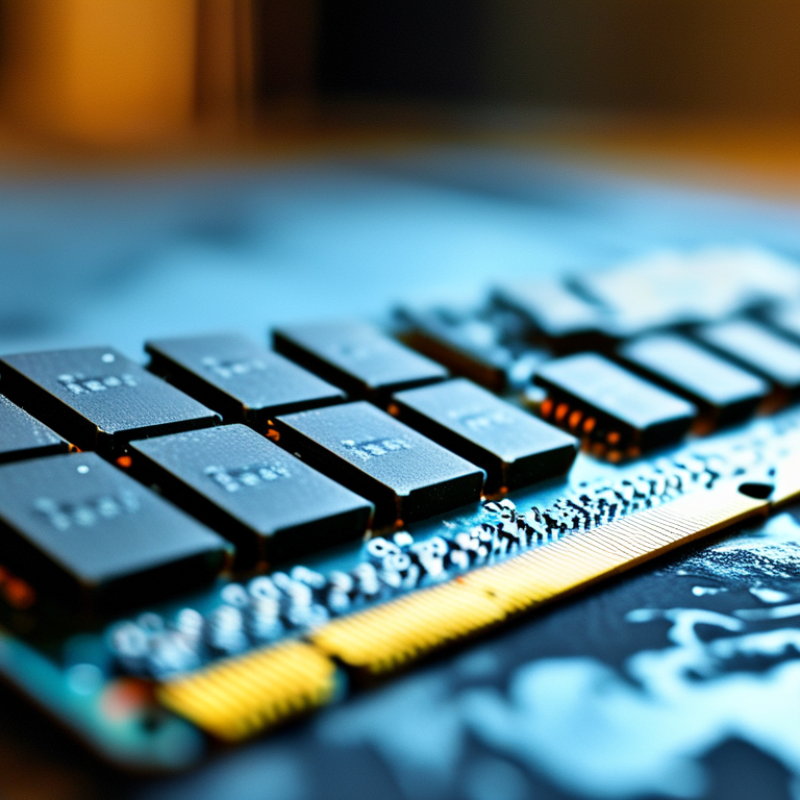
DRAM (Dynamic Random-Access Memory) plays a pivotal role in modern computing systems. It acts as a temporary storage area, allowing the CPU quick access to data it needs for processing tasks. According to the latest data from IDC, global DRAM revenue reached approximately $100 billion in 2022, highlighting its importance in a wide range of devices.
These systems rely on DRAM for speed and efficiency. For instance, in smartphones and PCs, DRAM enables multitasking by holding data temporarily. This is crucial as users demand seamless performance. A report by Statista shows that the market for DRAM is projected to grow at a CAGR of around 7% from 2023 to 2028.
However, challenges exist. With the increasing demand for higher capacity and faster speeds, manufacturers face hurdles in scaling production. The complexities of DRAM design involve trade-offs that can impact performance and cost. This leads to debates about efficiency versus innovation, emphasizing the need for ongoing research and development in this essential technology.
DRAM, or Dynamic Random-Access Memory, plays a critical role in modern electronic devices. Its structure consists of memory cells made from capacitors and transistors. Each cell can store one bit of data, thanks to its ability to hold an electrical charge. This simple concept allows for fast data access but comes with challenges.
The functionality of DRAM cells involves regular refreshing. A cell loses its charge over time, meaning it needs constant updates. This process can be power-intensive. Efficiency is key. Designers work to minimize energy consumption while maximizing data retrieval speed. Sometimes, compromises in speed for reduced power use are necessary.
Challenges in DRAM design include heat generation and size limitations. As devices become smaller, fitting more cells into less space complicates matters. Manufacturers must balance performance with physical constraints. This intricate dance highlights the ongoing advancements in memory technology. There’s always room for improvement, and each innovation leads us closer to optimal DRAM designs.
Dynamic Random Access Memory (DRAM) is essential for many devices. It provides the required speed for applications. Compared to other types of RAM like SRAM, DRAM is slower but more cost-effective. This makes it ideal for everyday tech, such as computers and smartphones.
In a comparative analysis, SRAM offers faster access times. However, it is more expensive to produce. DRAM, on the other hand, stores more data per chip. This density is vital for modern applications. With its ability to refresh data frequently, DRAM ensures devices run smoothly.
Tips: Consider your needs when selecting RAM. If speed is crucial, evaluate whether SRAM is worth the investment. However, for general use, DRAM is often sufficient and more budget-friendly. Another point to ponder is the balance between performance and cost. Sometimes, going for more DRAM can improve overall system functionality.
DRAM, or Dynamic Random Access Memory, serves as a vital component in mobile devices and consumer electronics. Its primary function is to store data temporarily while devices operate. Without DRAM, smartphones and tablets would struggle to perform basic tasks. This type of memory allows for quick access to data, which is crucial in seamless app performance and multitasking capabilities.
In mobile devices, DRAM helps manage multiple applications running simultaneously. For example, when streaming a video while browsing the web, DRAM ensures smooth transitions between tasks. However, excessive usage can lead to memory leaks, slowing down performance over time. Maintaining optimal DRAM usage is essential for the longevity of devices.
Consumer electronics also rely heavily on DRAM. From gaming consoles to smart TVs, it plays a critical role in delivering high-quality experiences. Yet, not all devices utilize DRAM effectively. Some manufacturers may prioritize cost-cutting over performance, resulting in subpar user experiences. A balanced approach to DRAM integration can enhance the overall functionality of electronic devices.
The future of DRAM technology is poised for significant evolution. As devices demand more speed and efficiency, DRAM memory will need to adapt. By 2025, we may witness breakthroughs in capacity and performance. New architectures could support multi-functionality, increasingly suiting mobile devices and data centers.
Innovative materials might play a key role in this shift. Research is pointing towards alternatives to traditional silicon. These materials could reduce power consumption dramatically. The focus will also be on developing more sustainable manufacturing processes. Yet, challenges persist. The high costs associated with cutting-edge technologies may slow widespread adoption.
Market projections indicate a growing demand for DRAM in various sectors. Artificial intelligence and emerging technologies will drive this growth. Companies will need to balance quality and affordability as competition intensifies. The landscape could see shifts in major players due to regulatory changes and technological advancements. It's an unpredictable time, but progress in DRAM will be crucial for meeting future device requirements.
M memory?
DRAM enhances speed and efficiency in devices like smartphones and PCs, allowing for seamless multitasking.
Global DRAM revenue reached approximately $100 billion in 2022, reflecting its critical role in technology.
We can expect breakthroughs in capacity and performance, adapting to demands of mobile devices and data centers.
Yes, increasing demand for higher capacity and speed creates hurdles for manufacturers in scaling production efficiently.
Emerging technologies and artificial intelligence are key factors driving the future demand for DRAM in various sectors.
Yes, there will be a focus on developing sustainable manufacturing processes to reduce environmental impact.
Yes, innovative materials beyond traditional silicon may lead to reduced power consumption and increased performance.
Regulatory changes could shift market dynamics and influence competition among major players in the DRAM industry.
No, the landscape is unpredictable. Ongoing research and development will shape the future of DRAM technology.
DRAM memory, or Dynamic Random-Access Memory, plays a vital role in modern computing systems by providing fast and efficient data storage that is essential for the performance of various applications. Its unique technical structure, which consists of memory cells that store data temporarily, allows for quick read and write operations, making it a preferred choice for devices requiring high-speed processing.
When comparing DRAM to other types of RAM, it becomes evident that it offers superior performance in terms of speed and capacity, especially important in mobile devices and consumer electronics. As technology continues to evolve, the demand for DRAM is projected to grow significantly, with forecasts indicating advancements in its efficiency and capacity by 2025, ensuring it remains a cornerstone of modern digital experiences.
