In the realm of computer memory, understanding the "DRAM vs SRAM difference" is crucial for engineers and tech enthusiasts alike. According to Dr. Emily Smith, a renowned memory technology expert from Tech Innovations, “Choosing the right memory type can greatly impact system performance.” This statement sheds light on a vital consideration in hardware design.
Dynamic Random-Access Memory (DRAM) and Static Random-Access Memory (SRAM) serve different purposes within devices. DRAM is typically used for main memory due to its higher density and lower cost. However, it requires constant refreshing to maintain data. In contrast, SRAM offers faster speeds and does not need refreshing, making it ideal for cache memory. Yet, SRAM is more expensive and takes up more space.
The "DRAM vs SRAM difference" is not just technical jargon; it reflects broader implications in design and cost. While many may think they understand these two types, misconceptions abound. Engineers often grapple with balancing performance and cost. This ongoing debate highlights not only technical knowledge but also a strategic mindset in choosing the appropriate memory type for specific applications.
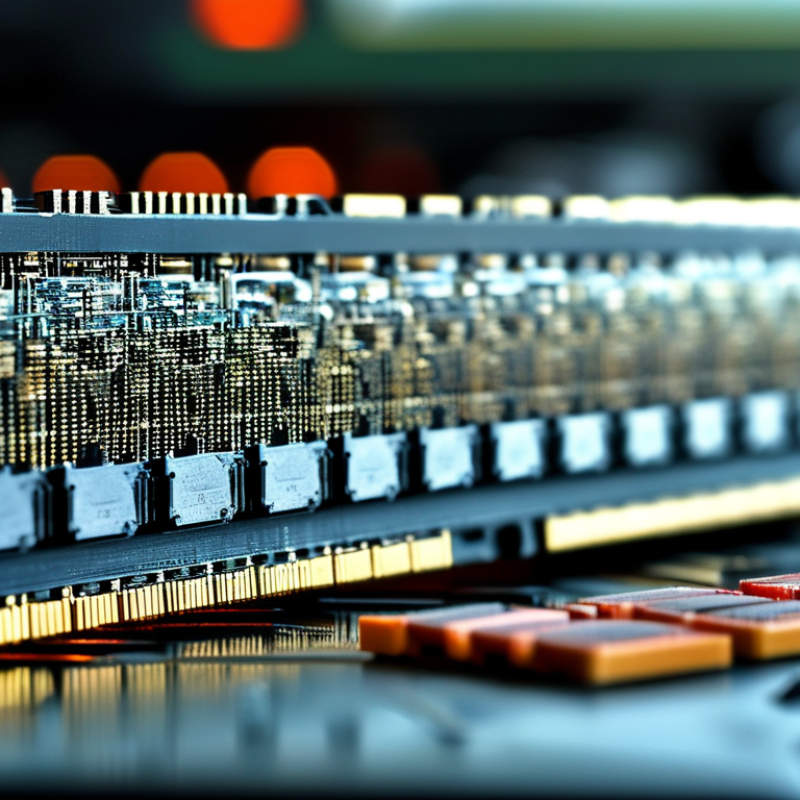
What is DRAM and How Does It Work?
Dynamic Random-Access Memory, or DRAM, is a key component in modern computing. It stores data in tiny capacitors, which are like small batteries. This design allows for a compact memory structure, making it suitable for high-density applications. Each bit of data is stored as a charge, which can leak away over time. Therefore, DRAM needs constant refreshing to maintain its data integrity.
The operation of DRAM is fairly straightforward. A memory controller sends commands to read or write data. When you access a specific memory address, the controller sends an enable signal to the corresponding capacitor. The charge level is then read, determining if the stored bit is a 0 or a 1. This process is repeated continuously in cycles. However, DRAM’s dependence on refresh cycles can lead to latency issues, especially under heavy loads.
The efficiency of DRAM makes it the backbone of many devices. Yet, the methodology is not without challenges. As technology evolves, the need for faster, more reliable memory solutions becomes crucial. For example, the need for lower power consumption in mobile devices is a growing concern. Understanding how DRAM operates helps appreciate its role in our daily technology.
Understanding SRAM and Its Functionality
Static Random Access Memory (SRAM) is a crucial component in modern electronics. Unlike DRAM, which needs constant refreshing, SRAM is faster and more reliable. It stores data in a way that does not require frequent updates. This makes SRAM ideal for cache memory in processors and other high-speed applications.
SRAM uses a series of transistors to store each bit. This design leads to lower density compared to DRAM. The trade-off is worth it when speed matters. SRAM is faster, typically operating at speeds in the range of nanoseconds. This speed enhances overall system performance, especially in real-time applications.
However, SRAM is more expensive to manufacture due to its complexity. The higher cost can be a drawback in large memory requirements. Some systems may struggle to choose between cost and performance. It’s important to gauge application needs. Understanding how SRAM functions allows engineers to make informed choices about memory types.
Key Differences in Structure Between DRAM and SRAM
When discussing the structure of DRAM (Dynamic Random Access Memory) and SRAM (Static Random Access Memory), several key differences stand out. DRAM is built using a single transistor and a capacitor for each memory cell. This compact design allows for higher density and greater storage capacity, making it a popular choice for main memory in computers. However, it has a significant drawback: the capacitor gradually discharges, necessitating constant refreshing to maintain data integrity. This adds complexity and increases latency.
In contrast, SRAM employs multiple transistors, typically four to six, to form a memory cell. This structure results in faster access times, making SRAM ideal for cache memory in CPUs. However, its use of more transistors per cell leads to larger physical sizes and lower density. As a result, SRAM is more expensive to produce. While it offers superior speed and reliability, the trade-off in terms of capacity and cost is notable.
Both types of memory have their advantages and disadvantages, reflecting their distinct architectural designs. While DRAM excels in high-capacity applications, SRAM provides speed and stability. Understanding these structural differences is crucial for professionals in computer engineering and systems design.
Performance Comparison: Speed, Power, and Efficiency
Dynamic Random Access Memory (DRAM) and Static Random Access Memory (SRAM) have key differences in performance aspects like speed, power consumption, and efficiency. DRAM is generally slower than SRAM. It operates at about 12 to 20 nanoseconds. In comparison, SRAM offers faster access times, typically around 10 nanoseconds. This speed difference significantly impacts the overall system performance, particularly in applications requiring quick data retrieval.
Power efficiency also sets these two types apart. DRAM consumes less power during idle states, drawing approximately 0.1 to 0.5 watts per chip. In contrast, SRAM has higher power usage, around 1 to 2 watts under similar conditions. The higher static power consumption of SRAM limits its use in battery-operated devices. Nonetheless, SRAM's speed can justify its energy costs in high-performance applications.
Efficiency comes into play in terms of density. DRAM chips are more dense, allowing for greater memory storage in limited spaces. A typical DRAM chip can hold billions of bits, whereas SRAM holds fewer bits per chip due to its complex architecture. This architectural complexity results in slower production cycles for SRAM. While each type has distinct advantages and disadvantages, the choice often hinges on specific use cases and requirements within computing environments.
Common Applications and Use Cases for DRAM vs. SRAM
When comparing DRAM and SRAM, their applications highlight significant differences. DRAM, known for its density, is commonly found in computers and servers. It is crucial for main memory tasks, handling large data sets efficiently. Its refreshing mechanism allows it to store more information but also leads to slower access speed. This can be a drawback for high-performance needs.
On the other hand, SRAM is favored in cache memory and high-speed applications. It offers faster data access, making it suitable for critical operations in CPUs. The construction of SRAM allows it to retain data without constant refreshing. However, this comes at a cost, as SRAM is typically more expensive and consumes more space.
In embedded systems, both types serve unique roles. DRAM suits applications that need large memory space but tolerate slower speeds, such as graphics cards. Meanwhile, SRAM excels in real-time applications where speed is paramount. Choosing between them involves a trade-off between speed, cost, and space—an important consideration for any system design.
Differences Between DRAM and SRAM
This chart compares key characteristics of DRAM and SRAM including speed, density, power consumption, and cost per bit. DRAM is typically slower but denser and cheaper, while SRAM is faster but consumes more power and is costlier.
FAQS
It stores data in small capacitors, which act like tiny batteries. Each bit is a charge.
Charges can leak away over time. Constant refreshing keeps the data intact and accurate.
DRAM is generally slower, operating at about 12 to 20 nanoseconds. SRAM is typically around 10 nanoseconds.
DRAM consumes less power during idle times, about 0.1 to 0.5 watts. SRAM uses more, around 1 to 2 watts.
It is found in computers and servers for main memory tasks, handling large data sets efficiently.
SRAM is used in cache memory and requires fast data access, making it vital for CPU operations.
Its refreshing mechanism slows down access speed, which is a downside for high-performance needs.
SRAM's architecture is complex, which means it takes up more space and costs more to produce.
Think about speed, cost, and memory space available. Each has its own pros and cons that matter in design.
Conclusion
This article explores the key distinctions between DRAM and SRAM, delving into their definitions, functionalities, and applications. DRAM, or Dynamic Random Access Memory, operates by storing each bit of data in a separate capacitor within an integrated circuit, requiring constant refreshing to maintain data integrity. In contrast, SRAM, or Static Random Access Memory, uses bistable latching circuitry to store data, eliminating the need for refreshing and thus enabling faster access times.
The DRAM vs SRAM difference extends to their structural components and overall performance. While DRAM offers higher density and is more cost-effective for large memory needs, SRAM provides superior speed and efficiency, making it ideal for cache memory in processors. The article also highlights common use cases for both types of memory, emphasizing how their distinct characteristics influence their application in various technological contexts.
 Xeviora
