 Xeviora
Xeviora
Xeviora
In the world of computer memory, the debate over DDR5 latency vs DDR4 is gaining attention. DDR5 promises higher speeds and better performance. However, many users wonder how latency impacts their experience. DDR4 has been a reliable choice for years, known for its stability and decent speed.
DDR5 introduces innovations, but the benefits may not be straightforward. Users must consider their specific needs. Gamers and professionals often require lower latency for optimal performance. In contrast, casual users may not notice the difference. The trade-off between higher speed and latency is critical in this discussion.
When examining DDR5 latency vs DDR4, it's important to reflect on real-world applications. Each option offers unique advantages. Understanding these nuances can guide users in making informed decisions. Balancing speed with latency considerations will ultimately shape individual choices in memory technology.
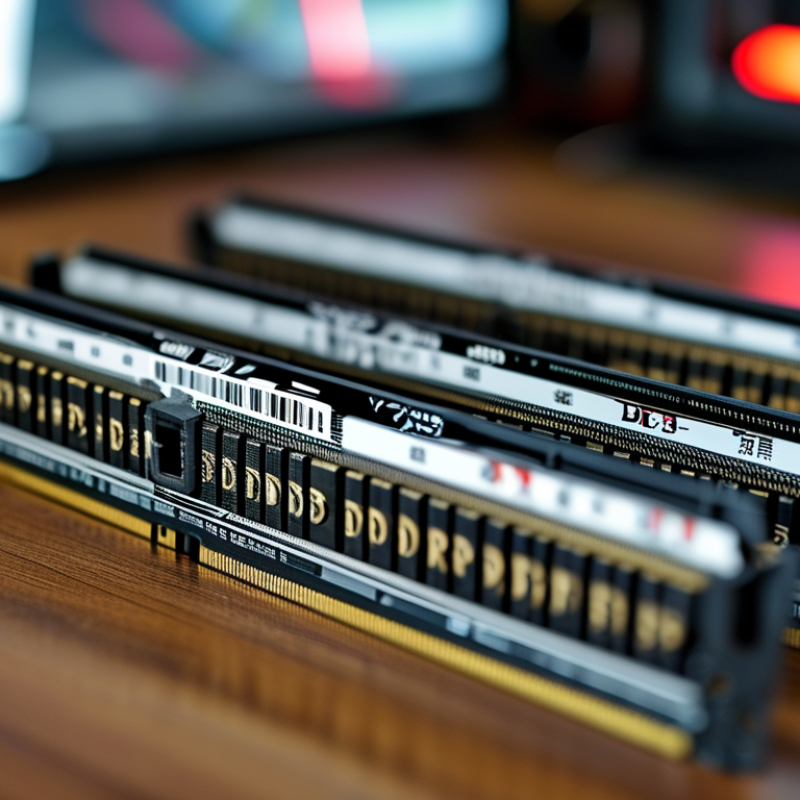
When comparing DDR4 and DDR5 memory technologies, several key differences emerge. DDR4 has been the standard for years, providing solid performance and reliability. It typically operates at speeds ranging from 2133 MHz to 3200 MHz. Current industry reports indicate that DDR4 latency measures around 15-19 nanoseconds, which is good for many applications.
DDR5, however, breaks new ground in both speed and efficiency. With speeds starting at 4800 MHz and potentially reaching over 8400 MHz, it delivers significantly higher bandwidth. Yet, early DDR5 modules can have higher latency figures, around 30-40 nanoseconds. This raises critical discussions about whether speed or latency holds more value for specific use cases.
Memory technology should align with user needs. High-performance gaming might demand fast speeds offered by DDR5. In contrast, systems requiring steady and low latency may benefit from DDR4. As more users transition to DDR5, it’s essential to weigh the advantages against potential downsides. The price is also a factor; DDR5 is generally more expensive. Understanding these complexities helps users make informed choices, focusing on their unique requirements rather than simply pursuing the latest technology.
: DDR5 generally promises lower latency, but the benefits depend on your specific applications.
DDR5 can improve speeds, but lower-latency DDR4 may outperform it in certain competitive gaming scenarios.
For tasks like web browsing, the latency differences may not present significant advantages.
If you do video editing or 3D rendering, DDR5’s higher bandwidth may enhance your workflow.
Yes, DDR4 offers strong performance for many users, especially for non-demanding applications.
DDR5 could provide improvements now, but technology is constantly evolving, requiring reevaluation later.
Consider your typical applications; intensive tasks may justify the upgrade better than casual browsing.
Always confirm your motherboard's compatibility with DDR5 before making any upgrade decisions.
If applications don't fully utilize DDR5 or new generations emerge soon, it may not feel valuable.
Bandwidth is crucial for tasks like video editing, while low latency may matter more for gaming experiences.
The article "DDR5 Latency vs DDR4: Which is Better for Your Needs?" provides a comprehensive overview of the advancements in memory technologies, comparing DDR4 and DDR5. It explores the latency differences between the two, highlighting that while DDR5 offers higher data rates and improved performance, it may come with increased latency compared to its predecessor. This aspect is crucial for users, especially in gaming and professional applications, where every millisecond counts.
Furthermore, the article discusses cost considerations for budget-conscious consumers, weighing the benefits of DDR5 against its price, and examines whether investing in DDR5 is a worthwhile choice for future-proofing. Ultimately, the discussion on "DDR5 latency vs DDR4" helps consumers make informed decisions based on their specific needs and usage scenarios.
