Xeviora
The rise of DDR5 technology is transforming server performance for buyers worldwide. DDR5 for server performance offers significant improvements. This new memory standard provides higher bandwidth and increased efficiency, making servers more responsive and capable. As global demands increase, businesses seek solutions that can support heavy workloads without compromising speed.
One of the main advantages of DDR5 is its ability to handle larger data volumes swiftly. It effectively improves multitasking capabilities, which is essential for data centers. Enhanced power efficiency is another critical factor. It allows servers to operate at lower energy costs while maintaining peak performance. However, transitioning to DDR5 presents challenges for some organizations. The upgrade process may require new hardware and adjustments in infrastructure.
Yet, the potential benefits are clear. DDR5 can redefine how businesses manage their computing resources. Global buyers must weigh these advantages against the hurdles. While solutions may not fit all, they certainly set a new standard. Embracing DDR5 technology might just be the key to staying competitive in an ever-evolving market.
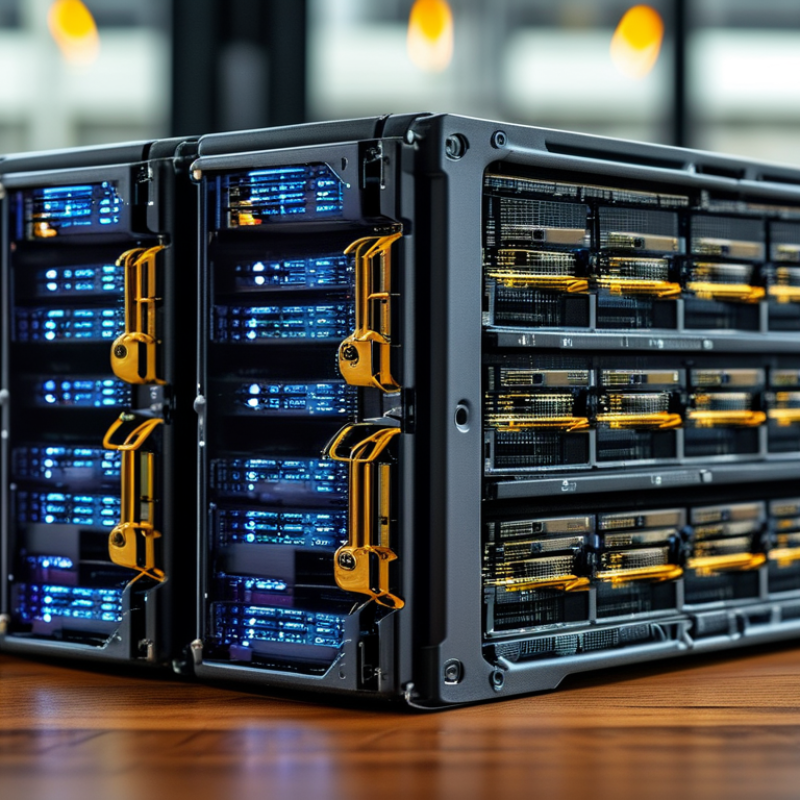
DDR5 memory brings significant advancements to server performance in modern architectures. This new generation of memory offers faster data transfer speeds, increasing bandwidth and reducing latency. With data rates of up to 4800 MT/s, DDR5 outperforms its predecessor, enhancing the responsiveness of server applications. This improvement is crucial, especially for data-intensive tasks like real-time analytics and large-scale database management.
The architecture of DDR5 includes features like improved energy efficiency and increased capacity. Servers can support larger memory capacities, essential for handling vast amounts of data. This capability is particularly beneficial for cloud service providers and enterprises using virtualization. Additionally, the on-die ECC (Error Correction Code) feature enhances reliability. However, some challenges remain. The implementation of DDR5 requires compatible motherboards and processors, which may necessitate a more significant investment upfront.
Furthermore, not all applications can fully utilize the increased speeds and capacities of DDR5. Many workloads may not see a notable difference for a while. Consequently, businesses need to evaluate their specific needs before transitioning to DDR5. Making informed decisions will ultimately lead to better performance and cost-effectiveness in server operations.
DDR5 memory technology is revolutionizing server performance, particularly through its enhanced bandwidth and latency characteristics. According to a report by JEDEC, DDR5 offers a significant increase in data transfer speeds, reaching up to 8400 MT/s. This is nearly double what DDR4 could offer. Such upgrades can lead to improved application performance and quicker data processing.
Low latency remains critical in server operations. DDR5 reduces latency by implementing features like on-die ECC, which corrects errors quickly. Reports from industry analysts suggest that these improvements can enhance data access speeds by up to 15%, essential for time-sensitive applications. This is particularly valuable in sectors like finance and healthcare, where every millisecond counts.
However, the switch to DDR5 isn't without challenges. Early adopters must navigate compatibility issues and potential integration hurdles. Additionally, the price point for DDR5 can be a concern compared to previous generations. Balancing cost with the undeniable benefits of higher performance and efficiency will require careful consideration. Yet, the potential for transformational improvements in server environments cannot be overstated.
DDR5 memory technology brings significant improvements in power efficiency and thermal management for servers. This benefit is crucial in data centers where energy consumption is a major concern. DDR5 achieves this through lower voltage requirements, reducing energy wastage compared to its predecessors.
The thermal management capabilities of DDR5 contribute to enhanced performance. Improved heat dissipation allows servers to maintain optimal operating conditions under heavy workloads. As a result, systems can run for longer durations without the risk of overheating. This characteristic is essential for global buyers who prioritize reliability.
However, while DDR5 offers these advantages, it is still important to evaluate its compatibility with existing systems. Some servers may require upgrades to fully leverage DDR5's potential. The transition could present challenges, but the long-term benefits of energy savings and improved performance justify this investment.
The integration of DDR5 in existing server hardware is a pivotal development for enhancing overall performance. This new memory technology significantly increases data rates and bandwidth. For instance, DDR5 can reach speeds of 4800 MT/s, which is approximately 1.5 times faster than its predecessor, DDR4. Such capabilities allow servers to handle larger workloads efficiently.
However, compatibility issues may arise. Many existing server architectures may not fully support DDR5 modules due to different physical layouts and signaling protocols. The JEDEC standards for DDR5 introduce new features, like on-die ECC, which can complicate integration in older systems. Research suggests that 38% of enterprises face challenges when upgrading to new memory technologies. This scenario highlights the importance of careful assessment before integration.
Investing in the transition to DDR5 should not only focus on performance but also on compatibility. Some server models may require motherboard upgrades. The cost of these upgrades can be substantial. Ultimately, careful planning and a clear understanding of current infrastructure are vital to leverage DDR5’s benefits fully. Organizations need to analyze their existing systems and evaluate the benefits against the cost and effort of upgrading.
| Aspect | DDR4 | DDR5 |
|---|---|---|
| Data Transfer Rate | Up to 3200 MT/s | Up to 8400 MT/s |
| Latency | 15-19 ns | ~ 12-16 ns |
| Number of Channels | Single Channel | Dual Channel |
| Power Consumption | 1.2 V | 1.1 V |
| Maximum Capacity per Module | 32 GB | 128 GB |
| ECC Support | Optional | Standard |
| Compatibility | Limited to DDR4 Systems | Requires DDR5 Compatible Motherboard |
| Use Cases | General Purpose | High-Performance Computing |
The global server market is rapidly evolving, driven by the increasing demand for faster and more efficient computing solutions. DDR5 memory technology addresses these needs with significant advancements. By delivering higher bandwidth and improved power efficiency, DDR5 enhances server performance effectively. This shift could lead to more responsive applications and a smoother user experience, especially in data-intensive environments.
As companies look to the future, the integration of DDR5 will likely become standard in new server architectures. This transition presents opportunities and challenges. Compatibility issues with existing systems may arise. Additionally, businesses must weigh the costs associated with upgrading their infrastructures against the potential performance gains. Strategic planning will be essential for maximizing DDR5 benefits.
Global buyers are increasingly turning to DDR5-equipped solutions. This trend points to a broader move towards modernizing server infrastructure. It also underscores the importance of staying updated with the latest technologies. Despite its promise, the path to widespread adoption of DDR5 is complex. Buyers must navigate technical trade-offs to find systems that align best with their operational goals.
: DDR5 memory offers faster data transfer speeds, increased bandwidth, and reduced latency. It enhances server performance, especially for data-intensive tasks.
DDR5 can reach data rates of up to 8400 MT/s. This is nearly double the speed of DDR4, significantly improving application performance.
DDR5 improves energy efficiency and supports larger memory capacities. This makes it essential for handling large data volumes in modern applications.
Yes, DDR5 requires compatible motherboards and processors. This could lead to higher upfront costs and potential integration challenges.
DDR5 reduces latency through features like on-die ECC. This is vital for industries such as finance and healthcare, where speed matters.
Not all workloads will benefit immediately from DDR5. Some applications may not see significant improvements right away.
Companies should evaluate their specific needs and applications. Informed decisions will lead to better performance and cost-effectiveness.
The on-die ECC feature enhances reliability by quickly correcting errors. This ensures consistent performance for critical applications.
Yes, DDR5 can be more expensive than previous generations. Balancing cost and performance benefits requires careful consideration.
Early adopters may face compatibility issues. Successful integration may require investments in new hardware, complicating the upgrade process.
DDR5 for server performance marks a significant leap in modern server architectures, offering enhanced bandwidth and improved latency characteristics compared to its predecessors. This advancement allows servers to process data more efficiently, facilitating faster response times and improved multitasking capabilities, which are essential for handling the increasingly demanding workloads of contemporary applications.
In addition to performance benefits, DDR5 also emphasizes enhanced power efficiency and thermal management, resulting in lower operational costs and a reduced environmental footprint. Its compatibility with existing server hardware ensures a smoother transition for businesses upgrading their systems, while the integration of DDR5 is positioned to shape the future of global server markets, driving innovation and higher processing capabilities across various industries. As DDR5 becomes more prevalent, its impact on server performance will undoubtedly support the growing needs of users and organizations worldwide.
