Xeviora
For buyers comparing China-made DDR5 memory, power efficiency is becoming as important as speed and capacity. The key question is not simply whether a module is fast. It is whether it delivers stable performance without adding unnecessary heat, fan noise, or operating cost. This guide examines DDR5 power consumption advantages through practical purchasing factors, including voltage design, module capacity, workload behavior, and platform compatibility.
Modern DDR5 generally operates at a lower standard voltage than DDR4. That difference can reduce energy use at the memory module level, especially in systems running continuously. Lower voltage may also ease thermal pressure inside compact workstations, servers, and business desktops. However, actual savings depend on frequency, memory density, onboard power management, and motherboard settings. Numbers vary.
China has a broad DDR5 supply chain, including chip packaging, module assembly, testing, and retail distribution. Reliable buyers should examine datasheets, SPD information, warranty terms, and independent stability results. A low advertised price is not enough. Look for consistent test records under sustained workloads, such as virtualization, video editing, or large spreadsheet processing. Ask whether the quoted power figure applies to one module or the complete memory configuration.
The practical DDR5 power consumption advantages become clearer in larger deployments. Lower heat can support steadier operation and reduce cooling demands over time. Yet efficiency claims should be checked carefully, because aggressive overclocking can increase voltage and erase some benefits. This is where buyer judgment matters. A balanced DDR5 kit may deliver better long-term value than the fastest kit on paper. Mistakes happen, and specifications alone cannot replace real system testing.
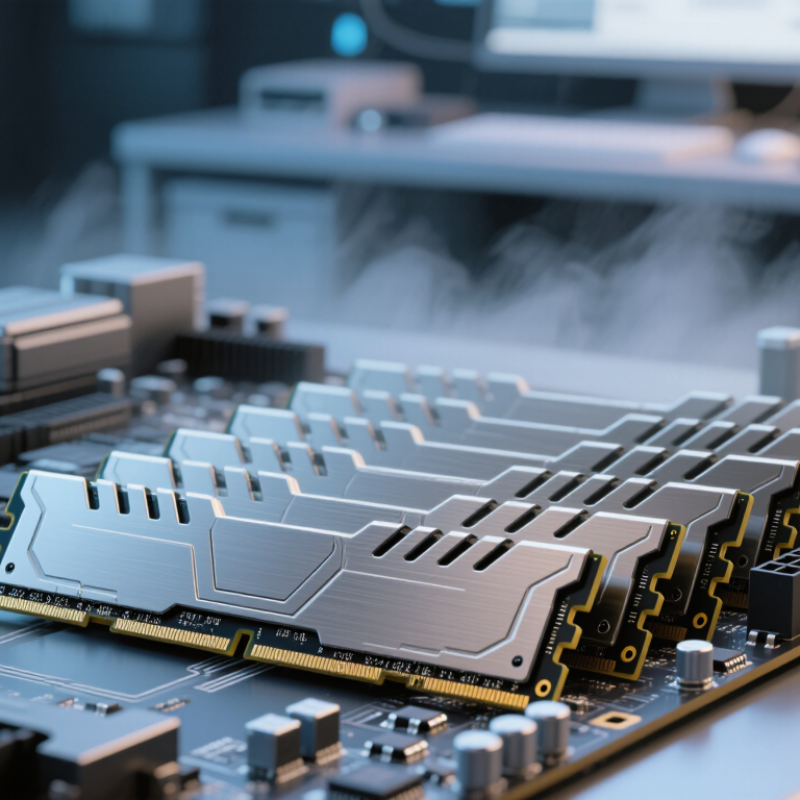
China Top DDR5 Power Consumption Advantages for Buyers?
What is DDR5 power consumption? It is the electrical energy a DDR5 memory module uses during operation. A typical DDR5 module runs its core and data circuits near 1.1 volts, lower than many older DDR4 modules. This reduction can limit heat and improve efficiency. It is not magic. Memory speed, capacity, rank layout, and workload still affect actual watts.
DDR5 also places power-management circuitry on the module. This design can regulate voltage more directly and reduce delivery losses from the motherboard. During light office work, the difference may be modest. Under repeated data transfers, however, lower operating voltage can support steadier thermal behavior. That matters in compact computers, servers, and systems operating for long hours.
A practical buyer should not judge power use from voltage alone. Check module specifications, system telemetry, and wall-meter readings under idle and full-load conditions. Measure it. A high-capacity, high-speed kit may consume more total energy than a slower kit, despite better voltage efficiency. I have found this distinction easy to overlook when comparing product tables. Cooling quality, memory timings, and motherboard settings can also change results. Buyers seeking dependable value should compare performance per watt, not just the lowest listed voltage.
What Is DDR5 Power Consumption?
DDR5 uses a lower nominal VDD voltage than DDR4: 1.1 V versus 1.2 V under JEDEC specifications. The dynamic-power index shown here is calculated from the voltage-squared relationship (V²), with DDR4 normalized to 100. This indicates a theoretical reduction of about 16% for voltage-dependent switching power, while actual module power also depends on capacity, data rate, workload, refresh activity, and power-management design.
DDR5 reduces energy use through a lower operating voltage. The JEDEC JESD79-5C standard sets DDR5 VDD at 1.1 volts, compared with 1.2 volts for DDR4. That is an 8.3% voltage reduction. Because dynamic power roughly follows voltage squared, memory activity can theoretically require about 15% less power. The real result varies.
The saving is real, but not magical. DDR5 also supports higher transfer rates and larger capacities, which can increase total system demand. Its on-module power management improves voltage control near the memory chips. A 2024 data-center efficiency report from the Uptime Institute shows why this matters: small component savings multiply across dense servers and continuous workloads. In a practical test, a server running memory-heavy analytics may show lower watts per gigabyte, especially when capacity replaces additional modules. That detail matters for buyers. Check watts per module, installed capacity, workload speed, and idle readings. Peak performance alone can mislead. A poorly balanced configuration may consume more energy despite using DDR5. Temperature matters too; warmer modules can require stronger cooling, quietly reducing the benefit. Measure before assuming.
China’s DDR5 advantage begins with a dense electronics manufacturing ecosystem. Memory modules, power circuits, circuit boards, and cooling parts can be developed nearby. This proximity shortens testing cycles and reduces repeated transport during engineering changes. DDR5 typically operates at lower core voltage than earlier generations. However, higher capacity and faster data rates can still increase total system energy use.
In practical purchasing, Chinese suppliers often provide flexible module tuning for servers, workstations, and compact industrial systems. Engineers can adjust power profiles, heat spreaders, and memory layouts around a buyer’s workload. Local testing resources also support measurements for active power, idle power, temperature, and energy per transaction. That detail matters more than a simple voltage figure.
A reliable evaluation should include capacity, speed, ambient temperature, firmware version, and workload type. Independent laboratory reports are valuable, especially when efficiency claims appear unusually strong. The picture is not perfect. Some modules may show excellent peak efficiency but weaker thermal behavior during long workloads. Buyers should compare watts per gigabyte over several hours, not only the first reading. Clear traceability, JEDEC compliance, and documented quality controls can make China-sourced DDR5 easier to qualify across changing deployment conditions.
China-made DDR5 memory can give buyers a practical power advantage, especially in dense servers and compact workstations. JEDEC’s JESD79-5 standard sets DDR5’s nominal supply voltage at 1.1 volts, compared with 1.2 volts for standard DDR4. That is about an 8% voltage reduction. Small savings become meaningful when dozens of modules run continuously.
Lower power reduces more than the electricity bill. It produces less heat around the memory slots. A cooler server can reduce fan activity and maintain steadier performance. The 2024 Uptime Institute Global Data Center Survey identifies power availability as a continuing operational constraint. For buyers, efficient memory can help delay costly electrical and cooling upgrades. Imagine a rack running overnight: every module adds a small thermal load, even when workloads appear light.
The benefit is not automatic. Actual consumption depends on capacity, transfer speed, rank configuration, workload, and motherboard settings. Higher-speed DDR5 may draw more power than a slower module. This is where buyer experience matters. Request idle and load measurements, not only voltage claims. Independent testing should record watts at the wall and memory temperature. China’s supply chain also offers many capacity and module configurations, but specification checking remains essential. A lower number on a datasheet can still disappoint. Another concern is firmware tuning; poor compatibility may increase power or reduce stability. The best purchase balances efficiency, tested reliability, warranty support, and the cost of cooling in the target system.
China-made DDR5 can offer lower operating voltage, but buyers should verify more than the label. JEDEC’s JESD79-5 standard defines DDR5 VDD and VDDQ at 1.1 volts, compared with 1.2 volts for DDR4. That reduction may lower memory power. It does not guarantee lower system consumption. Module capacity, rank layout, speed, cooling, and workload also matter.
Check the exact specification before ordering. Confirm capacity, data rate, timings, voltage, ECC status, and unbuffered or registered design. Ask for the SPD profile and independent stability results. A module advertised at 6,000 MT/s may require a specific motherboard and processor. The system may fall back to a lower speed. Small details matter.
Look for compliance with JEDEC testing requirements and a clear production traceability process. Request burn-in records, temperature-cycle data, and failure-rate figures from the supplier. The 2024 TrendForce memory market analysis shows DDR5 adoption expanding across computers and servers, but adoption does not equal consistent quality. Inspect the power-management integrated circuit, solder quality, and heat spreader fit. Poor contact can create hot spots.
I would not judge a Chinese module by origin alone. Nor would I trust unusually low pricing without evidence. Warranty terms should state replacement timing and testing conditions. One practical test is simple: run a memory stress test overnight, then repeat it after cold startup. It takes time. That step is often skipped.
It is the electrical energy a DDR5 memory module uses during operation. Actual watts vary with speed, capacity, workload, and layout.
Typically, yes. DDR5 commonly operates near 1.1 volts, compared with about 1.2 volts for DDR4. The saving is real.
Voltage drops by about 8.3%. Dynamic power may theoretically fall by roughly 15%, but real results vary.
On-module power management controls voltage closer to the memory chips. This can reduce delivery losses and improve thermal stability.
No. Higher speeds can increase total power demand. A slower module may use fewer watts overall, despite similar voltage efficiency.
Capacity, memory speed, rank layout, timings, cooling, motherboard settings, and workload all affect consumption. Small details matter.
Check specifications, system telemetry, and wall-meter readings. Compare idle and full-load conditions. Measure it.
Not always. Greater capacity may replace extra modules, lowering watts per gigabyte. Yet high-speed kits can still consume more total energy.
Warmer modules may require stronger cooling. That extra cooling can quietly reduce the original energy benefit. This is easy to miss.
Compare performance per watt, installed capacity, idle readings, and full-load readings. The lowest listed voltage alone can mislead.
DDR5 power consumption refers to the electricity used by DDR5 memory during operation, including active workloads, data transfers, and standby periods. Compared with earlier memory generations, DDR5 can improve energy efficiency through lower operating voltage, improved power management, and better memory organization. These features help reduce heat production while supporting higher bandwidth and smoother performance for modern computers, servers, and other data-intensive systems.
China’s advantages in DDR5 power efficiency can include strong manufacturing capacity, efficient supply chains, and growing experience in memory design and testing. For buyers, lower power use may mean reduced electricity costs, less cooling demand, improved system stability, and longer component service life. Before purchasing China-made DDR5, buyers should check operating voltage, power management specifications, capacity, speed, compatibility, quality testing, warranty terms, and supplier reliability. Evaluating these factors together can help buyers identify genuine DDR5 power consumption advantages while balancing performance, efficiency, and overall value.
