DDR5 memory is a groundbreaking advancement in the world of computing. As technology evolves, so does the need for improved performance. How DDR5 improves performance is a question many are asking. This new memory standard offers significant advantages over its predecessor, DDR4.
One key feature is its higher data rates. DDR5 can reach up to 8400 MT/s, nearly double the speeds of DDR4. This boosts system responsiveness and allows for smoother multitasking. Lower latency also plays a vital role in enhancing efficiency. Applications load faster, which benefits both gamers and professionals.
Moreover, DDR5 supports increased capacity. Users can install larger memory modules, benefitting resource-intensive tasks. However, it's essential to consider compatibility with existing systems. Upgrading to DDR5 may not be seamless for everyone. Understanding these nuances is critical for making informed decisions. The potential of DDR5 is immense, but it's essential to navigate its implementation wisely.
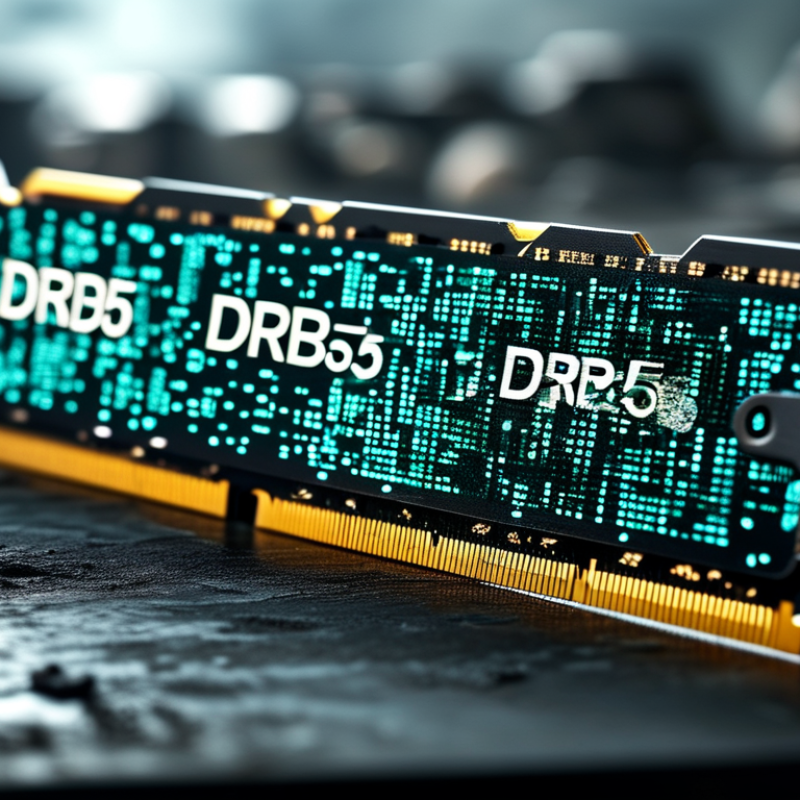
Key Features of DDR5 Memory and Their Impact on Performance
DDR5 memory introduces several key features that significantly enhance performance. One standout feature is its increased bandwidth. DDR5 can deliver speeds up to 8400 MT/s. This higher bandwidth enables faster data transfers, crucial for gaming and data-intensive applications. Additionally, DDR5 supports more memory modules per channel, allowing users to maximize system performance.
Another important aspect is the improved power efficiency of DDR5. It operates at a lower voltage of 1.1V compared to 1.2V in DDR4. This reduction not only saves energy but also produces less heat. Lower heat generation is essential for long-term system stability. Moreover, DDR5 incorporates on-die ECC (Error Correction Code). This helps detect and correct data errors, enhancing reliability in critical tasks.
However, it's important to remember that while DDR5 offers significant improvements, it may not be necessary for every user. Some applications may not benefit from the extra speed or capacity. Transitioning to DDR5 also requires compatible motherboards and CPUs. These factors should prompt reflection on whether the upgrade is worth it for your specific needs.
Comparison of DDR5 with Previous Generations: A Performance Leap
DDR5 memory represents a significant advancement over its predecessors. One major improvement is its increased data transfer rate. While DDR4 tops out at around 3200 MT/s, DDR5 can reach speeds of 4800 MT/s and beyond. This leap in bandwidth directly affects system responsiveness and gaming performance. Higher bandwidth supports more simultaneous processes, making it ideal for multitasking and heavy workloads.
Moreover, DDR5 introduces better power management features. With a lower operating voltage, systems become more energy-efficient. This reduces heat output, which is crucial for laptops and compact systems. Additionally, DDR5 supports on-die ECC (Error Correction Code). This enhances reliability, particularly for servers and workstation use, where data integrity is vital.
However, the transition to DDR5 might not be seamless for everyone. Compatibility issues can arise in older systems, creating a barrier for upgrading without new hardware investments.
Improved Bandwidth: How DDR5 Enhances Data Transfer Rates
DDR5 memory brings significant improvements in data transfer rates, which are crucial for enhancing overall system performance. With a maximum bandwidth reaching up to 6400 MT/s, DDR5 effectively doubles the bandwidth compared to its predecessor, DDR4. This leap in performance can vastly improve tasks that require high-speed data processing, like gaming and content creation.
According to the JEDEC Solid State Technology Association, DDR5 is engineered to allow faster access to system memory. This means applications can load more quickly, reducing latency in data-intensive tasks. The increase in bandwidth also supports the growing demand for higher data rates in next-gen applications, like artificial intelligence and machine learning. However, while the gains are substantial, not all systems can immediately take advantage of these speeds. Transitioning requires compatible hardware, and not every setup will harness the full benefit of DDR5.
One interesting aspect is the power efficiency of DDR5. Despite its higher performance capabilities, it operates at a lower voltage. This could lead to longer battery life in mobile devices. Yet, questions arise regarding heat management. Systems must be designed to handle the additional thermal output. With rapid advancement, ensuring optimal performance while managing these challenges is an ongoing concern for developers.
Efficiency Gains in Power Consumption with DDR5 Technology
DDR5 technology brings significant efficiency gains in power consumption, marking a pivotal shift in memory performance. With a lower operating voltage of 1.1V compared to its predecessor, DDR4, it offers remarkable energy savings. This reduction not only enhances battery life in portable devices but also lowers heat generation, leading to more stable system performance.
Moreover, DDR5's architecture allows for higher data transfer rates without a proportional increase in energy use. This efficiency means that systems can manage more tasks simultaneously, thanks to increased bandwidth. However, it's essential to consider that while DDR5 is designed for efficiency, its actual performance may vary depending on the application and workload. Users need to assess whether these improvements align with their specific needs, especially in energy-sensitive environments.
As DDR5 continues to evolve, further optimization in power consumption is expected. Manufacturers are exploring advanced manufacturing techniques that may yield even more efficient designs. Balancing performance improvement with energy efficiency remains a complex challenge, urging ongoing reflection and adaptation in the rapidly evolving tech landscape.
Future-Proofing Systems: DDR5’s Role in Next-Gen Applications
As technology evolves, DDR5 emerges as a crucial element for next-generation applications. This memory standard offers significant advantages, making it vital for future-proofing systems. Increased bandwidth allows for faster data transfer, improving overall performance in demanding tasks. This feature is essential as applications become more resource-intensive.
Moreover, DDR5 supports larger capacities, accommodating the growing need for multi-tasking. Users can run multiple applications seamlessly without experiencing lag. However, some systems may require upgrades to harness DDR5's full potential. This transition can introduce challenges, such as compatibility issues and the need for motherboard changes.
Incorporating DDR5 not only improves existing functionalities but also lays the groundwork for future advancements. As artificial intelligence and machine learning become commonplace, the demand for high-speed memory will increase. Yet, adopting DDR5 isn't without its complexities. Users must navigate factors like cost and availability. Balancing performance needs with budget constraints remains a common dilemma. Overall, the transition to DDR5 is not just an upgrade, but a strategic move towards future-ready systems.
Top 10 Benefits of DDR5 for Performance Improvement
| Benefit |
Description |
Impact on Performance |
| Higher Bandwidth |
DDR5 offers double the bandwidth compared to DDR4, enhancing data transfer rates. |
Improved performance in data-intensive applications. |
| Increased Capacity |
Support for higher capacity modules allows for larger amounts of RAM. |
Better multitasking and smoother operation of memory-heavy applications. |
| Lower Latency |
DDR5 reduces latency through optimized commands and queuing methodologies. |
Quicker response times in gaming and real-time applications. |
| Power Efficiency |
DDR5 operates at a lower voltage, leading to reduced power consumption. |
Longer battery life for mobile devices and lower heat output. |
| Improved Reliability |
Features such as on-die ECC bolster data integrity. |
Fewer crashes and potential data loss scenarios. |
| Greater Scalability |
Architecture allows for more efficient memory scaling in future applications. |
Adapts to future hardware and application demands. |
| Advanced Features |
Includes features like burst length enhancements and increased bank counts. |
Better management of memory data streams for enhanced gaming and processing tasks. |
| Support for AI Workloads |
Performance enhancements tailored for AI and machine learning tasks. |
Faster processing of complex algorithms and data sets. |
| Future-Proofing |
Designed to meet future computing demands as technology evolves. |
Protection against obsolescence of system components. |
| Enhanced Performance in Gaming |
Improves frame rates and overall game responsiveness. |
Smoother gaming experiences with less lag and better visuals. |
FAQS
: DDR5 is the latest memory standard that offers improved data transfer rates and performance.
DDR5's data transfer rate reaches 4800 MT/s, while DDR4 maxes out at 3200 MT/s.
DDR5 operates at lower voltages, enhancing energy efficiency and reducing heat output.
On-die ECC enhances reliability for critical applications, ensuring data integrity in servers.
Yes, older systems may face compatibility problems, requiring new hardware for DDR5 use.
DDR5's increased bandwidth supports running multiple applications without lag.
Yes, its capabilities are vital for demanding applications, ensuring systems stay relevant.
Users may face issues like cost, availability, and the need for potential hardware upgrades.
DDR5's high-speed memory supports the increasing demands of AI and machine learning tasks.
Users must balance performance needs with budget constraints and compatibility factors.
Conclusion
DDR5 memory represents a significant advancement in performance enhancement for computing systems. Its key features include improved bandwidth and efficiency, allowing for faster data transfer rates that dramatically enhance overall performance. By enabling higher data rates and capacities compared to previous generations, DDR5 facilitates smoother multitasking and improved responsiveness in demanding applications.
One of the standout benefits of DDR5 is how it improves performance through increased efficiency in power consumption, which not only extends battery life in portable devices but also reduces heat output in high-performance settings. This efficiency, combined with its support for next-gen applications, positions DDR5 as a future-proof solution in the ever-evolving landscape of technology. Consequently, the incorporation of DDR5 memory ensures that systems are equipped to handle the increasing demands of modern computing workloads.
 Xeviora
