2026 Best RDIMM vs LRDIMM Difference Explained for Buyers?

Time:2026-09-01 Author:Ethan
0%

In the realm of memory technology, understanding the "RDIMM vs LRDIMM difference" is crucial for buyers targeting optimal performance. Dr. James Huang, a leading expert in memory architecture, emphasizes, "The choice between RDIMM and LRDIMM can significantly impact system performance and scalability."

RDIMMs, or Registered DIMMs, are designed for stability in server environments, balancing capacity with latency. On the other hand, LRDIMMs, or Load-Reduced DIMMs, offer greater memory density, which is vital for applications demanding extensive data processing. The differences in functionality can lead to nuanced decision-making for IT professionals.

Buyers should consider their specific needs carefully. The increased performance of LRDIMMs may come with a price. As with any technological investment, weighing the benefits against potential drawbacks is essential. The RDIMM vs LRDIMM difference embodies more than just specifications; it reflects the broader implications for future scalability and efficiency in high-demand systems.
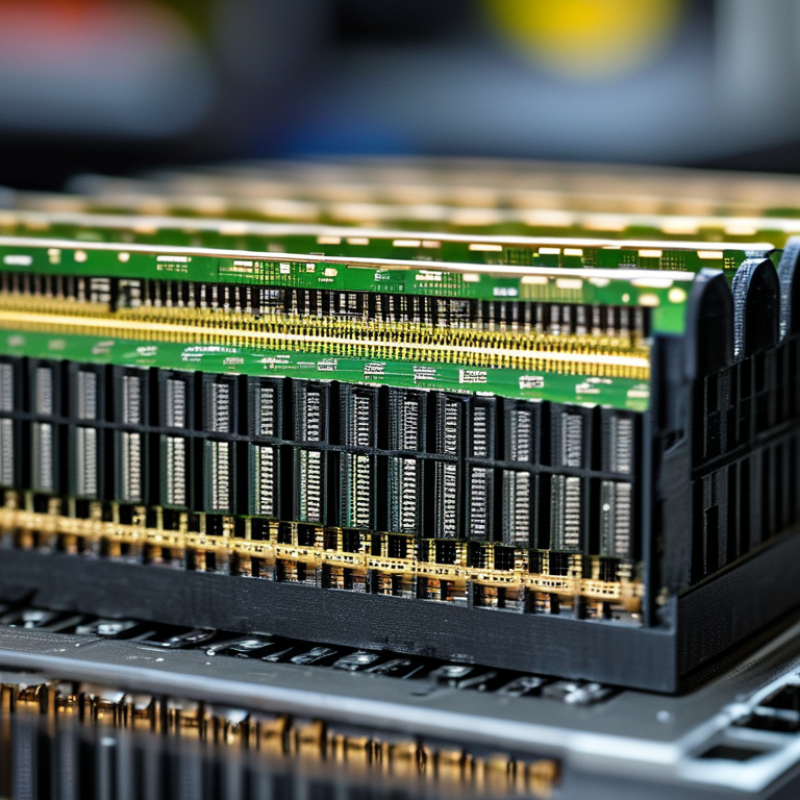
2026 Best RDIMM vs LRDIMM Difference Explained for Buyers?

Understanding RDIMM: Definition and Key Features

Registered DIMMs (RDIMMs) are a popular choice for servers and workstations. They utilize a register that helps in managing data on the memory bus. This feature enhances stability and improves performance when using a large amount of memory. RDIMMs work well in multi-core systems. They enable efficient data handling for applications demanding high memory bandwidth.

One of the key features of RDIMMs is their ability to support error-correcting code (ECC). This means they can identify and correct memory errors automatically. In environments where data integrity is crucial, this feature is essential. RDIMMs can also accommodate larger capacities than traditional unbuffered DIMMs, making them more versatile for heavy workloads. However, they may be less favorable for certain consumer applications due to their higher cost and complexity.

Choosing RDIMMs involves considering your needs. They deliver performance, but can also complicate the memory setup. Some users find the installation and compatibility with existing systems a challenge. It's important to evaluate whether the benefits align with your specific requirements. This decision might lead to a few necessary adjustments or reflections on your system's design.

2026 Best RDIMM vs LRDIMM Difference Explained for Buyers

Feature RDIMM LRDIMM
Buffer Type Registered Buffer Load Reduced Buffer
Maximum Capacity per DIMM 64GB 128GB
Power Consumption Higher Power Consumption Lower Power Consumption
Latency Slightly Higher Latency Slightly Lower Latency
Scalability Good Scalability Excellent Scalability
Common Usage Server Workloads High-Density Applications

Exploring LRDIMM: Definition and Advantages

LRDIMM, or Load Reduced Dual In-Line Memory Module, is a memory technology that has gained traction in recent years. It significantly enhances memory capacity and performance, making it suitable for data-intensive applications. One primary advantage of LRDIMM is its ability to reduce the load on the memory controller. This is achieved through the use of a buffer chip, which allows for higher memory densities without placing excessive demands on the server’s controller.

According to industry reports, LRDIMMs can support up to 128GB of capacity per module, compared to standard RDIMMs that typically max out at 64GB. This increased capacity allows servers to handle more data in real-time, resulting in improved performance for applications like virtualization and large-scale databases. Furthermore, LRDIMMs enable higher memory channel counts, thus providing better data throughput.

Despite these advantages, potential buyers should be mindful of integration challenges. Implementing LRDIMMs may require compatible hardware and adjustments in server configurations. Industry experts recommend assessing individual needs before upgrading memory systems. Balancing performance gains with compatibility considerations is essential.

Comparative Performance: RDIMM vs LRDIMM in Data Centers

In the world of data centers, RDIMM and LRDIMM serve unique roles, impacting performance and memory efficiency. RDIMM, which stands for Registered DIMM, offers stability through a register between the DRAM and the memory controller. This helps enhance memory bandwidth and reduces electrical loads. Yet, RDIMM typically supports fewer memory modules per channel than its counterpart, potentially limiting scalability in certain environments.

Conversely, LRDIMM, or Load Reduced DIMM, implements a buffer that lowers the load on the memory controller. This design allows for more memory modules to be used, increasing overall capacity. In demanding situations, LRDIMM can offer superior performance, especially when high density is needed. However, this additional complexity can also introduce issues, such as increased latency and potential compatibility concerns.

The decision between RDIMM and LRDIMM requires careful consideration of system needs. Understanding actual workloads and required memory capacity is crucial. Selecting the wrong type could lead to underperformance or higher costs. Users should evaluate not just performance metrics, but also long-term implications on system stability and upgrade paths. Balancing these factors is essential for optimal data center operation.

Capacity and Scalability: RDIMM and LRDIMM Specs Overview

When comparing RDIMM and LRDIMM, understanding their capacity and scalability is crucial. RDIMM, or Registered DIMM, typically offers a maximum capacity of 128 GB per module. It is designed to support dual in-line memory modules, making it reliable for most enterprise applications.

On the other hand, LRDIMM, Load-Reduced DIMM, can reach capacities of up to 256 GB per module, making it advantageous for data-intensive workloads. According to recent industry reports, LRDIMMs allow for higher memory density without sacrificing performance. This essentially means servers can be equipped with more memory in less physical space.

However, it's essential to reflect on the potential downsides. While LRDIMMs provide higher capacity, they may increase latency compared to RDIMMs. For applications where speed is critical, this could pose a concern. Additionally, LRDIMMs require specific memory controllers, limiting their compatibility with older systems. Knowing these specifications can help buyers make informed decisions tailored to their unique operational needs.

Cost Considerations: Pricing Trends for RDIMM and LRDIMM

When considering RDIMM and LRDIMM, pricing trends present important insights. RDIMM modules are generally priced lower than LRDIMM. This makes RDIMM an attractive option for budget-conscious buyers. However, it's essential to factor in performance needs. LRDIMM offers higher memory capacity and bandwidth, which can justify the extra cost in certain scenarios.

Buyers should also consider future-proofing their systems. Investing in LRDIMM may save money long-term due to its scalability. The upfront cost might be higher, but the performance benefits often offset this in demanding applications. Market fluctuations can also impact prices, making timing crucial.

A thorough assessment is necessary for potential buyers. Cheaper options may seem appealing but may not meet future demands. Examine workloads and growth projections to make informed decisions. Balancing cost with performance and future scalability will lead to a well-rounded choice.

FAQS

: What are RDIMMs?

: RDIMMs, or Registered DIMMs, are memory modules used in servers and workstations. They improve data handling and stability.

How do RDIMMs support data integrity?

RDIMMs support error-correcting code (ECC). This feature identifies and corrects memory errors automatically, enhancing data reliability.

What is the maximum capacity of RDIMMs?

RDIMMs typically offer a maximum capacity of 128 GB per module. This makes them suitable for most enterprise applications.

How do RDIMMs compare to LRDIMMs in capacity?

LRDIMMs can reach up to 256 GB per module. They are better for data-intensive applications needing higher memory density.

Are there downsides to using LRDIMMs?

Yes, LRDIMMs may increase latency compared to RDIMMs. This can be an issue for applications where speed is critical.

What challenges do users face when installing RDIMMs?

Some users find installation complex and may have compatibility issues. Evaluating system requirements is essential before choosing RDIMMs.

Why might RDIMMs be less favorable for consumer applications?

RDIMMs can be more complex and costly. This may not be suitable for typical consumer needs.

How can one ensure the best choice between RDIMMs and LRDIMMs?

Assess your specific needs and system design. Consider both performance and potential adjustments required.

What is a common mistake when choosing memory modules?

Users may overlook compatibility issues. This can lead to installation challenges and ineffective performance.

Do RDIMMs and LRDIMMs require specific controllers?

Yes, LRDIMMs require specific memory controllers. This limits their compatibility with older systems, which can be a drawback.

Conclusion

The article "2026 Best RDIMM vs LRDIMM Difference Explained for Buyers" provides a comprehensive overview of the two types of memory modules widely used in data centers. It begins by defining RDIMM (Registered DIMM) and highlighting its key features, such as stability and error reduction. In contrast, it explores LRDIMM (Load Reduced DIMM), which offers advantages such as increased memory density and lower power consumption.

The comparative performance section carefully examines the RDIMM vs LRDIMM difference, emphasizing their respective strengths in data processing tasks. Additionally, the article discusses capacity and scalability, underscoring how both modules can cater to varying workloads based on their specifications. Finally, cost considerations are analyzed, with trends in pricing for both RDIMM and LRDIMM highlighting the economic factors buyers should evaluate when making purchasing decisions. Overall, the piece serves as a valuable resource for anyone looking to understand these memory technologies more deeply.

Ethan

Ethan

Ethan is a seasoned marketing professional with a deep expertise in our company's innovative product line. With a passion for sharing knowledge and insights, he takes the lead in regularly updating our corporate blog, where he explores industry trends, product features, and effective marketing......